

The Worldbuilder’s Toolkit: World-Defining Events
Posted on April 26, 2024 1 Comment
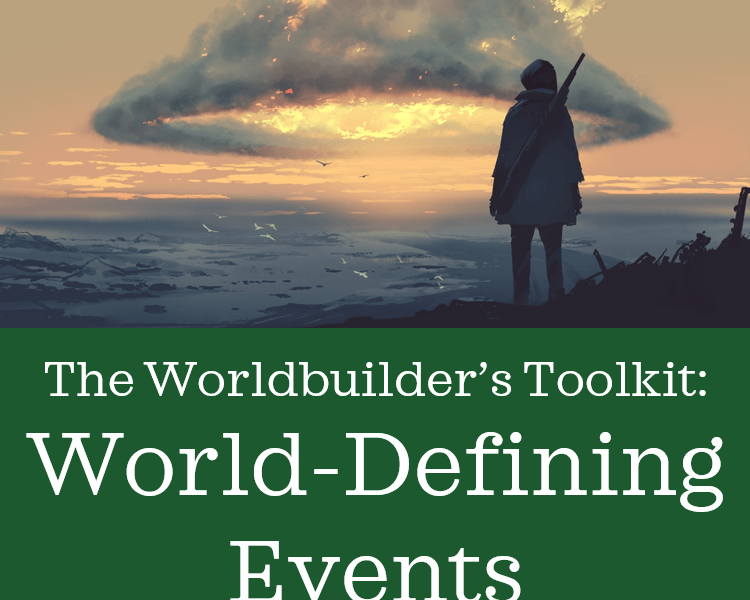

In the realms of fantasy and science fiction, world-defining events can serve as catalysts that drive your story forward or bring about world altering change. These pivotal moments and influential occurrences shape the culture, values, and trajectory of your fictional countries and characters. In this article, I’ll delve into creating these transformative events, drawing inspiration from history, generating ideas, and providing practical tips for crafting compelling and believable narratives.
One thing I want to point out is that you don’t have to have a world-defining event in your story. This is not a necessary part of your novel.
Drawing Inspiration from Real-World History
When crafting world-defining events, it’s valuable to draw inspiration from the annals of our own history. Real-world historical incidents can provide a blueprint for creating events that resonate with readers. Consider the following.
Revolutionary Upheaval – The French Revolution, for example, can inspire a rebellion or uprising in your world. Explore how class disparities, calls for equality, and the fall of an aristocracy can fuel the flames of change.
Natural Disasters -The eruption of Mount Vesuvius and the destruction of Pompeii offer a template for natural calamities in your world. Earthquakes, droughts, or cataclysmic storms can reshape landscapes and societies.
Epic Battles – Iconic battles like the Battle of Thermopylae can inspire grand conflicts in your story. The clash of armies, the heroism of warriors, and the consequences of conflicts can mirror historical struggles.

Generating Ideas for Major Historical Events
Creating major historical events demands imaginative prowess. Here’s how you can brainstorm ideas for events that will define your world.
Consider how environmental crises, such as a prolonged drought or the sudden freezing of a vast sea, can challenge your world’s inhabitants. How would they adapt to survive?
Explore the dynamics of conflicts, whether they are political, ethnic, or magical. Think about the motivations, alliances, and betrayals that drive these wars.
Delve into the idea of societal upheaval. What circumstances might lead to a mage rebellion against oppressive magical hierarchies, or a technological revolution that reshapes the world’s industries and power structures?
Magical World-Defining Events
In fantasy worlds, magical events can be particularly captivating.
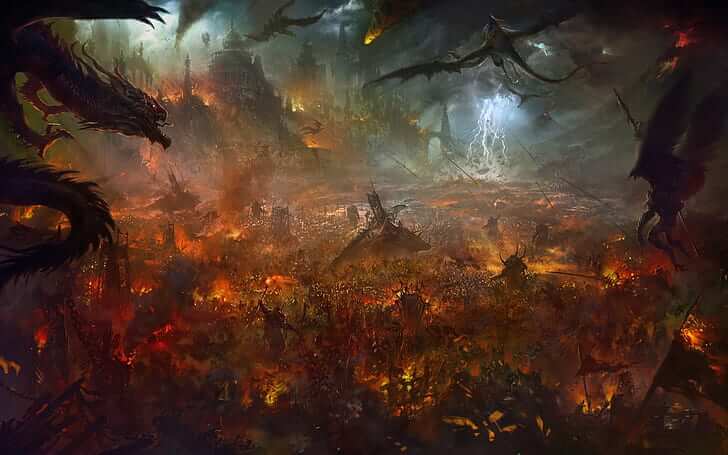
Imagine a cataclysmic magical event, such as the shattering of a powerful magical artifact. How would this event alter the fabric of your world’s reality? What consequences would it unleash?
Explore the idea of a rebellion led by mages seeking freedom from persecution. The Mage Rebellion could spark a revolution, challenging established power structures and leading to a new era of magic.
For example, imagine a world where the authorities tightly regulate magic, and an event called “The Unbinding” takes place, releasing magic and causing it to become uncontrollable and unpredictable. How would this event transform the world, both for the better and for the worse?
Cultural Impact and Narrative Threads
Each world-defining event should be a catalyst for change, shaping the world’s culture, values, and trajectory.
How have these events altered the belief systems, customs, and traditions of your fictional societies? Has a drought led to the veneration of water deities, or has a rebellion forged a newfound sense of unity and purpose?
Explore how these events have shaped the moral compass of your characters. Have the horrors of war scarred them, or have they found resilience and hope amid adversity?
Consider how the world-defining events your characters have experienced influence their goals and ambitions. Have they become determined to prevent history from repeating itself, or are they driven by personal vendettas born from past conflicts?

The Writer’s Toolkit
Foreshadowing – Drop subtle hints throughout your narrative to build anticipation of major events, ensuring they feel organic and inevitable.
Consequences Matter – Explore the lasting consequences of these events, both immediate and long-term. Show how they ripple through time, affecting generations of characters.
Character-Centered – Use the events to drive character development. Show how individuals’ experiences shape, empower, or scar them.
Symbolism – Consider the symbolic elements of your events. Are they metaphors for larger themes in your story?
Subvert Expectations – Don’t be afraid to subvert traditional tropes and expectations, offering fresh and unexpected twists to your world-defining events.
Fictional Example: The Celestial Convergence
In Andromedaris, a distant galaxy where advanced technology and mystic energies coexist, a world-defining event known as the “Celestial Convergence” shaped the destiny of an entire star system. Andromedaris was home to many planets and species, each with its unique culture and connection to the mystical energy known as “Celestium.”
The alignment of three celestial bodies – the sun, the moon, and a colossal comet named “Astraeth” – triggered the Celestial Convergence.
During the Convergence, the planet’s core resonated with Celestium, causing it to surge through the land, oceans, and skies. Celestium was the source of both magic and technological advancement in Andromedaris, and its sudden intensification led to widespread transformations.
The boundaries between magic and technology blurred. Machines developed magical sentience, while sorcerers gained unprecedented control over machinery. This convergence led to complex magic and technological integration.
This profoundly impacted the cultures of Andromedaris. Traditionalist societies, reliant on either magic or technology, faced internal struggles as they adapted to the new balance. Some embraced the convergence while others resisted, clinging to their old ways.
Amidst the chaos, a new order known as the “Convergence Guilds” emerged. Their members, known as “Celestial Artisans,” sought to harness the full potential of the Convergence. They became arbitrators of innovation and guardians of knowledge, working to ensure the responsible use of Celestium’s power.
As news of the event spread to neighboring star systems, diplomatic relations were forged, and conflicts ignited. The newfound power source of Celestium became both a catalyst for cooperation and a source of rivalry among star-faring civilizations.
The legacy of the Celestial Convergence persists in Andromedaris. The interplay between magic and technology continues to shape the world’s culture, values, and trajectory. New generations of Celestial Artisans seek to unlock the secrets of Celestium, and the galaxy stands at the cusp of a new era, where innovation and adaptation are the keys to survival.

Crafting world-defining events is an opportunity to mold the very essence of your fictional realms. By drawing inspiration from history, generating unique ideas, and considering the cultural impact and narrative threads, you can breathe life into your world’s events, shaping a compelling and immersive story that resonates with readers and captivates their imagination. Happy worldbuilding!
I hope this was helpful. Let me know if you have questions or suggestions by using the Contact Me form on my website or by writing a comment. I post every Friday and would be grateful if you would share my content.
If you want my blog delivered straight to your inbox every month along with exclusive content and giveaways, please sign up for my email list here.
Let’s get writing!
Copyright © 2024 Rebecca Shedd. All rights reserved.
The Worldbuilder’s Toolkit: History & Lore
Posted on April 12, 2024 1 Comment
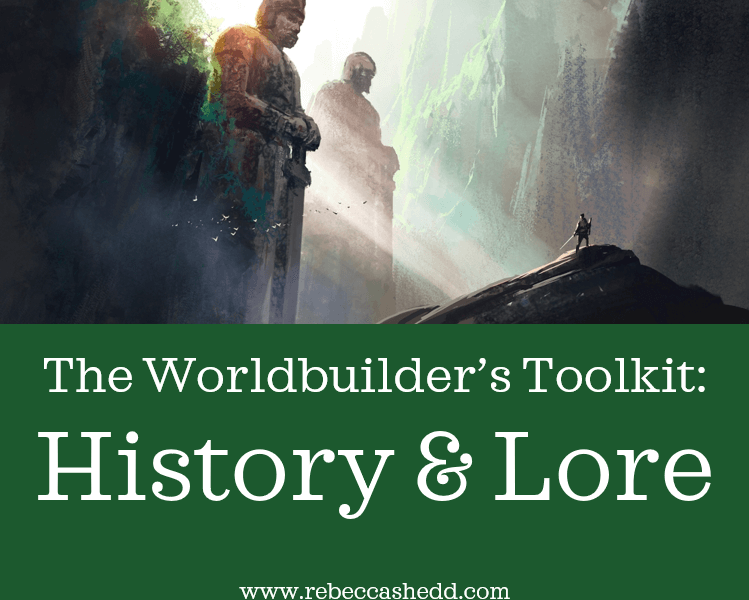
In the realm of fantasy and science fiction, crafting an immersive and believable world hinges not only on the intricacies of geography and culture, but also on the rich tapestry of history and lore. These elements breathe life into the narrative, providing depth, context, and resonance for both characters and readers. This guide explores the art of constructing history and lore, drawing inspiration from the annals of our own world and offering practical advice to help writers create captivating and convincing backstories for their fictional realms.
Drawing Inspiration from History
The pages of history books are replete with tales of empires rising and falling, heroic figures, and momentous events that have shaped the course of civilizations. Drawing inspiration from real-world historical events and individuals can serve as a wellspring of creativity for your fictional world.
Identify historical periods and locations that have a similar feel as that of your book. One beauty of fantasy and science fiction is that we do not need to be completely historically accurate, and we can pull elements from throughout history. Identify historical events that parallel the themes or conflicts in your narrative. For example, the fall of the Roman Empire might inspire a tale of a once-mighty kingdom in decline, grappling with internal strife and external threats. Another example is drawing on the Golden Age of Piracy because you specifically want naval cannon battles in your story.
Real-world historical figures can be the muse for your characters. Adapt their qualities, achievements, or dilemmas to craft compelling and multidimensional personas in your story. Be willing to dive deeper into historical figures to see what truly made them tick. You may discover that a famous general battled crushing self-doubt and had failed at everything else in life. You can use these details as inspiration in your own characters to create emotional depth.
Delve into the cultures, customs, and societies of different historical periods. Integrating elements from various cultures can create a rich and diverse backdrop for your world. Draw on other worldbuilding elements, such as climate, to provide inspiration for your culture’s clothing, food, and other customs.
Historical events often center around moral dilemmas and choices. Use these dilemmas to develop complex characters and thought-provoking narratives.

Crafting Major Historical Events and Figures: The Architect of Lore
To construct convincing history and lore, you must first create the pivotal moments and influential figures that have shaped your world. Consider these steps.
Brainstorm major historical events that have left a lasting imprint on your world. These could be wars, revolutions, natural disasters, or cultural shifts. Think about how these events ripple through time and affect your narrative. Consider how these events are remembered by the people and the leaders. Do they look back on them with a sense of pride or shame?
Craft prominent historical figures who played pivotal roles in your world’s past. Develop their personalities, motivations, and legacies. These figures can serve as symbols of change, heroes, or antagonists in your lore. Decide if history has remembered them correctly or if they have a hidden side, maybe even one that could shake the culture.
Explore how these historical events and figures have transformed the culture, values, and trajectory of your fictional societies. Think about how they have influenced art, religion, politics, and daily life. Does your culture have festivals that celebrate these historical events and figures, or are they portrayed in plays and literature as villains?

The Writer’s Toolkit
Consistency – Maintain consistency in your world’s history and lore. Create a timeline or historical records to keep track of events, figures, and their impact on the world.
Symbolism and Themes – Infuse your lore with symbolism and themes that resonate with your narrative. Consider how historical events and figures can embody or challenge these themes.
Cultural Diversity – Diversify your world’s history by including multiple cultures, each with its own set of events, figures, and perspectives. This adds richness and depth to your world.
Legends and Myths – Develop legends and myths surrounding historical events and figures. These stories passed down through generations can add layers of intrigue and mystique.
Evolution Over Time – Show how history and lore evolve over time. Explore how the passage of centuries can alter perceptions of past events and figures.
Reader Engagement – Allow readers to uncover the layers of history and lore gradually. Use flashbacks, historical documents, or character revelations to unveil the hidden truths of your world’s past.
Fictional Example: The History and Lore of the Kingdom of Eldoria
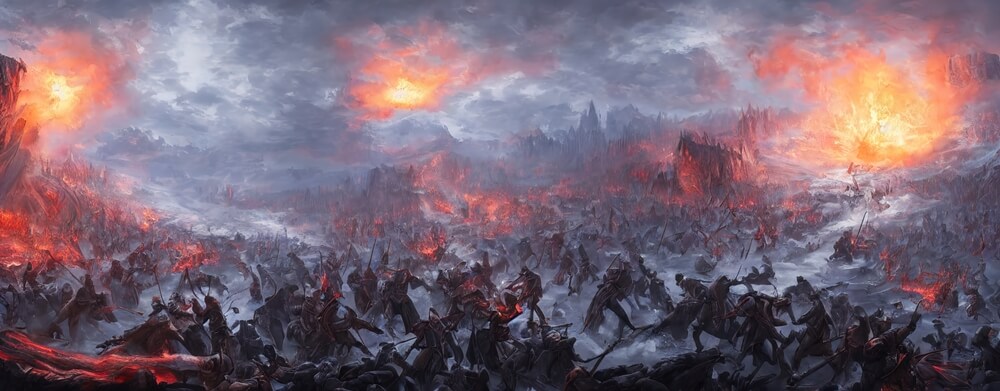
In the fantasy realm of Eldoria, a major historical event known as the Eclipse War serves as a turning point in the kingdom’s history. A dispute over the control of a powerful artifact triggered this war, known as the Solarian Eclipse Crystal. This ancient crystal, said to hold the essence of both the sun and the moon, possessed immense magical properties.
Two prominent noble houses: House Solari, based in the lowlands, and House Lunara, residing in the highlands, each coveted the Solarian Eclipse Crystal, believing it would grant them unparalleled dominance over Eldoria. The Eclipse War endured for decades, marked by a series of battles, skirmishes, and shifting alliances. The conflict tested the endurance and resources of both houses, plunging Eldoria into a state of turmoil and upheaval.
The monarchy weakened and ultimately dissolved as the royal family struggled to maintain control among the warring factions. This event marked a significant shift in Eldoria’s political structure. In the war’s aftermath, a council composed of representatives from various noble houses emerged as the ruling authority in Eldoria. This council was established to prevent further internal strife and to distribute power more equitably among the highlands and lowlands. The Eclipse War not only reshaped the political landscape but also fostered a culture of cautious diplomacy and alliance-building, as the kingdom sought to avoid further conflicts.
One of Eldoria’s iconic historical figures is Lady Seraphina, a brilliant strategist who played a pivotal role in ending the Eclipse War. Her legacy as a peacemaker and advocate for diplomacy still resonates in Eldorian society. The council’s rule, established in the war’s aftermath, has led to a decentralized system of governance, where noble houses wield significant influence over their respective regions.
The conflict became a source of legends, stories, and songs, often depicted as a tragic chapter in the kingdom’s history. It serves as a reminder of the consequences of unchecked ambition and the importance of unity in the face of adversity.
Creating immersive and believable history and lore is an art that requires careful consideration, creativity, and attention to detail. By drawing inspiration from real-world history, crafting significant events and influential figures, and following practical guidelines, writers can weave a rich tapestry of narrative depth, cultural resonance, and compelling storytelling. So, embark on the journey of world-building, where history and lore are the keystones to a world as vivid and captivating as your imagination can conjure. Happy worldbuilding!
I hope this was helpful. Let me know if you have questions or suggestions by using the Contact Me form on my website or by writing a comment. I post every Friday and would be grateful if you would share my content.
If you want my blog delivered straight to your inbox every month along with exclusive content and giveaways, please sign up for my email list here.
Let’s get writing!
Copyright © 2024 Rebecca Shedd. All rights reserved.
The Worldbuilder’s Toolkit: Flora & Fauna
Posted on March 29, 2024 2 Comments
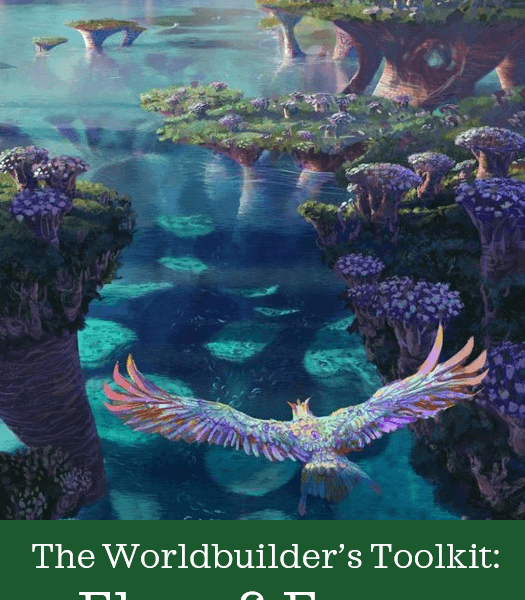

In the realms of fantasy and science fiction, worldbuilding goes beyond landscapes and civilizations—it extends to the very fabric of life itself. Flora and fauna, the plants and animals that populate your world, add depth, wonder, and authenticity to the narrative tapestry. In this comprehensive guide, I’ll provide information to create unique and captivating flora and fauna for your fictional worlds. Drawing inspiration from the intricacies of the real world, I’ll explore the nuances of crafting both plants and animals, offering practical tips and illustrative examples to breathe life into your imaginative creations.
Crafting Unique Flora: The Fantasy of Botanical Wonders
Flora encompasses the diverse world of plants and vegetation. Drawing inspiration from our world, you can create captivating and unique flora.
Observe real-world plants and their remarkable adaptations to diverse environments. Adaptation mechanisms like succulence, bioluminescence, or symbiotic relationships with animals can inspire your fantastical creations.
Think about how your plants adapt to specific climates or terrains, such as desert succulents, bioluminescent forest flora, or subterranean fungi.
Explore distinctive methods of reproduction, such as seed pods that explode with tiny projectiles or plants that release intoxicating scents to attract pollinators.
Develop symbiotic relationships between your flora and fauna, like carnivorous plants that form partnerships with insects for mutual benefit.
In J. R. R. Tolkien’s Middle-earth, the towering Ents are sentient tree-like creatures that guard the ancient forests. These unique beings are deeply connected to the flora of their world, representing a rich fusion of plants and creatures in a single concept.
Crafting Unique Fauna: The Science of Imaginary Creatures
Fauna encompasses the realm of animals and creatures that inhabit your world. To craft unique and intriguing fauna, you can draw inspiration from real-world biology and ecology.
Study real-world animals and their evolutionary adaptations. Concepts like mimicry, bioluminescence, or convergent evolution can spark your imagination.
Design animals that perfectly fit their environments, such as flying reptiles in sky cities or burrowing mammals in subterranean realms.
Explore unique sensory adaptations, like creatures with echolocation or those sensitive to electromagnetic fields.
Combine traits from different species to create hybrids with unique abilities and appearances.
In Isaac Asimov’s “Foundation” series, the Mule is a genetically engineered character with telepathic abilities. These unique individuals challenge the societal norms of the Galactic Empire, showcasing how sci-fi authors can explore unconventional adaptations.

Mythological Flora and Fauna
The real world has a rich menagerie of mythic flora and fauna from around the globe and throughout history. Incorporating existing mythological plants and animals into your worldbuilding can infuse your narrative with a sense of familiarity and mystique, tapping into the rich tapestry of human folklore and imagination. These creatures and plants often come with their own set of stories, symbolism, and cultural significance, adding depth to your world.
Mythological Creatures – Many cultures boast a treasure trove of legendary beasts, from the majestic Phoenix of ancient Egypt and Greece, symbolizing rebirth and immortality, to the cunning Kitsune of Japanese folklore, shape-shifting fox spirits known for their trickery. By weaving these creatures into your world, you can introduce a layer of cultural resonance and intrigue. For example, incorporating a Roc, a gigantic bird of prey from Middle Eastern and Persian mythology, as a guardian of mountaintop temples, could imbue your world with a sense of grandeur and reverence. Of course, there is also the ever-popular dragon.
Mythological Plants – Mythological plants have their own allure, from the sacred Lotus in Hinduism and Buddhism, symbolizing purity and enlightenment, to the magical Yggdrasil in Norse mythology, the World Tree connecting the realms. Integrating these plants into your world can enrich the symbolism and mysticism of your narrative. Imagine a colossal, ancient tree akin to Yggdrasil serving as the epicenter of your world, joining various dimensions or realms, and embodying the essence of interconnectedness.
Be mindful of the cultural significance and interpretations associated with mythological creatures and plants. While you can adapt and reinterpret them to suit your world, honoring their essence and symbolism can deepen their impact on your narrative.
Mythological beings and plants often carry symbolic weight. Consider how their presence in your world can serve as allegorical elements, representing themes, conflicts, or moral lessons in your story.
The Writer’s Toolkit
Ecosystem Dynamics – Consider the ecological roles of your flora and fauna. How do they interact with each other and their environment? Think about predator-prey relationships, symbiosis, and food chains.
Evolutionary History – Develop a backstory for the evolution of your species. How did they adapt to their environment over time? What selective pressures influenced their development?
Cultural Significance – Explore how your flora and fauna influence the cultures and societies within your world. Are they revered, feared, or integrated into daily life and traditions?
Naming Conventions – Pay attention to the names you assign to your creations. Names should reflect the essence of the species and their role in the world. Consider linguistic elements that add depth to your world.
Consistency – Maintain consistency in the behaviors, characteristics, and adaptations of your flora and fauna. This consistency helps create a believable and immersive world.
Symbolism – Use your creations symbolically to represent themes, ideas, or conflicts in your narrative. The symbolism of a species can add depth to your story.
Fictional Example: The Enchanted Sylvan Realm of Eldertree
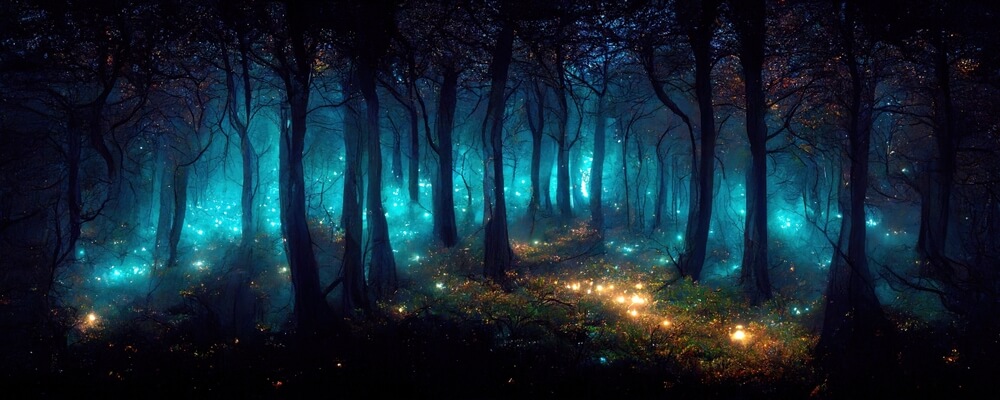
In the realm of Eldertree, the unique flora and fauna have profoundly shaped both the environment and the culture of the sentient Sylvan beings who call it home. Eldertree is characterized by ancient forests, towering flora, and enigmatic creatures.
Towering colossal trees, known as Eldertrees, form the backbone of the realm. These ancient giants house entire communities within their colossal trunks and branches, complete with its unique ecosystem and inhabitants.
Most of the plant life in Eldertree possesses bioluminescent properties, casting a soft, ethereal glow across the land during the night. This unique feature serves both as a source of light and as a means of communication for the Sylvans.
The wildlife in Eldertree is as unique as the flora. Creatures such as the luminescent Firefliers, who emit radiant light and have a symbiotic relationship with the flora, serve as guardians and companions to the Sylvans.
The Sylvans, sentient tree-dwelling beings, have formed deep symbiotic relationships with Eldertrees and the creatures of the realm, holding immense cultural significance. They feature prominently in Sylvan rituals, art, and storytelling, serving as symbols of unity, protection, and the interconnectedness of all life. The Sylvans are known as the Guardians of Eldertree, and their way of life revolves around protecting their enchanted homeland. Rituals are held under the radiant canopy of the bioluminescent forest, where they commune with nature and celebrate the cycles of life. The unique flora and fauna have gifted the Sylvans with an innate magical affinity. They have mastered the art of harnessing natural magic, using it to commune with nature, heal, and protect their realm. Eldertree’s distinctive ecosystem has, over the ages, isolated the Sylvans from the outside world and they guard it fiercely from outsiders.
Crafting unique flora and fauna is akin to cultivating a garden of imagination, where every plant and creature adds a layer of wonder to your world. By drawing inspiration from nature’s intricacies, crafting distinctive adaptations, and exploring practical worldbuilding tips, you can breathe life into your fictional ecosystems. As your readers immerse themselves in the lush tapestry of your world, they’ll encounter the marvels of your imagination, where flora and fauna become more than mere background—they become living elements of the narrative. So, let your worlds flourish with botanical wonders and captivating creatures, inviting readers to explore the rich landscapes of your imagination. Happy worldbuilding!
I hope this was helpful. Let me know if you have questions or suggestions by using the Contact Me form on my website or by writing a comment. I post every Friday and would be grateful if you would share my content.
If you want my blog delivered straight to your inbox every month along with exclusive content and giveaways, please sign up for my email list here.
Let’s get writing!
Copyright © 2024 Rebecca Shedd. All rights reserved.
The Worldbuilder’s Toolkit: Climate & Weather Patterns
Posted on March 15, 2024 3 Comments
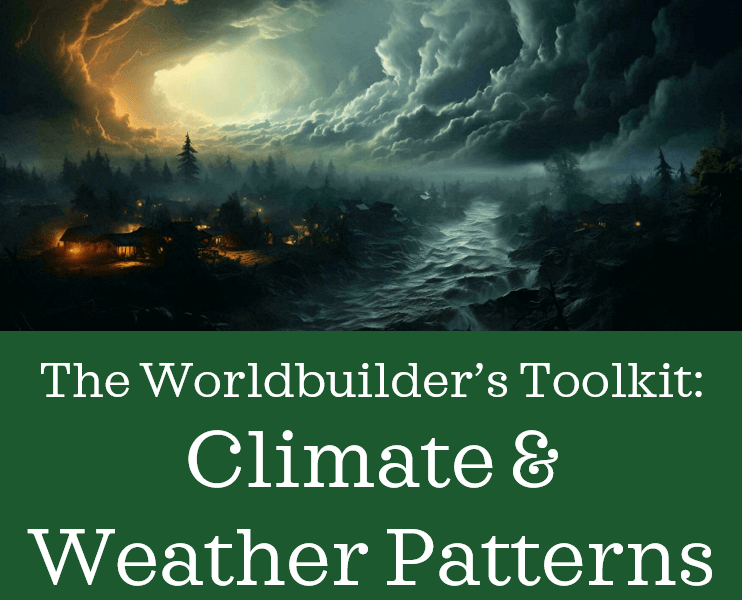
In our fictional worlds, climate and weather patterns can accomplish many things. They can set the mood in everything from a scene to the entire novel. These elements can also extend beyond mere backdrop, shaping cultures, influencing characters, and propelling plots forward. In this guide, I’ll explore the profound impact of climate and weather on worldbuilding, examining their role in shaping cultures, settings, and characters, while also offering practical advice and examples for writers to create rich, immersive worlds.
Climate and Culture: The Dunes of Dune
Climate and weather are integral to culture, influencing architecture, clothing, food, and traditions. Of course, the first impact of climate and weather has to do with the general climate of a location. Is the setting of your book in a specific biome such as a jungle, a desert, or a temperate coastline? Consider how much the climate changes between the seasons. If your world is a globe like Earth, then it will be hotter near the equator and the temperature there will change very little throughout the year. How would it change the weather if your world is flat? If your genre is science fiction and set on an alien planet, what is similar or different about your weather from Earth? Consider the impact on length of days and years, makeup of the atmosphere, effect on animal species, etcetera.
Climate and weather also have a massive impact on culture. The most immediate is on how easily people can find food and water. After that is clothing. People must dress to their environment, wearing tight-fitted fur-lined garments for cold climates and loose-fitting breathable fabrics in hotter climates. This is a great chance to pull from many cultures and styles from our own history. You can also mix and match multiple cultures or historical periods to get a look that is unique to your book.
Climate and weather also affect food, determining what kind of food inhabitants of this area can grow or raise, how long the growing season lasts, and how much meat versus produce they consume. Climate and weather also profoundly influence architecture. If the climate is cold, houses normally have smaller rooms to conserve heat with few windows. However, houses that are built in warm climates often prioritize air flow. For example, the Persians developed towers that catch the wind and funnel it through the house, acting as a basic form of air conditioning. [1]
Frank Herbert’s “Dune” presents an exemplary case of how climate and weather intricately weave into the fabric of culture. On the desert planet of Arrakis, relentless heat and scarcity of water steer the evolution of Fremen society. Their architecture, predominantly adobe structures and subterranean sietch communities, revolves around maximizing shade and conserving water. The Fremen’s clothing choices are exemplified by the iconic stillsuits, technologically advanced garments designed to recover and purify bodily fluids, reflecting their imperative to conserve every drop of water. The scarcity of natural resources directly ties into the importance of the spice melange, a cornerstone of Arrakis and the Dune series, whose cultivation and value are intricately bound to the planet’s extreme climate conditions. Water preservation rituals, like the “Water of Life” ceremony, underscore the Fremen’s relationship with their environment and the importance of moisture. These cultural adaptations and traditions vividly illustrate the profound influence of climate on the development of their society, ultimately enriching the narrative with depth and authenticity.

Weather’s Impact on Characters, Setting, and Plot: The Skies of Pern
Climate and weather can also have a large impact on your characters, setting and plot. This could be anything as minor as setting the mood. For example, a gloomy and forbidding English moor is the perfect backdrop for a Victorian mystery, while a sun-drenched beach helps set the mood for a tropical romance. However, weather as setting is the smallest use for these atmospheric elements.
Climate and weather can have a large impact on characters. Depending on where they have lived, the weather could have molded them into a physically tough person. If they have lived in a climate that is hospitable where food is readily available, this could make them a softer, weaker character. Climate also impacts physical appearance. People who have lived in sunny places for a long time naturally develop darker skin, hair, and eyes as a protection against sunburn. While people in more northern climates or those where the sunlight is not as intense have lighter hair, skin, and eyes.
Weather and climate can also have a massive impact on plot. All it takes is one storm, earthquake or flood for your character’s world and life to change forever.
As I mentioned in the previous section, weather can also have a large impact on culture, including the one your character originates from as well as those that they meet in their travels. Think about how their culture developed and the differences between it and the other cultures in your world. Consider small things that could stand out to your character as sizeable differences. For example, if your character comes from a desert culture and someone offers them a bathtub full of water, think about how they would react.
Anne McCaffrey’s “Dragonriders of Pern” serves as a remarkable example of how weather patterns can become dynamic catalysts in the narrative. The relentless threat of Threadfall, deadly spores that descend sporadically from the skies, plagues the planet Pern. This looming menace shapes characters’ destinies as they develop the unique skill of dragon-riding to combat Threadfall. Pern’s dragons can teleport, a power harnessed to fight the threat. The impact of weather on the dragons’ teleportation abilities creates tension and challenges in the story. Threadfall becomes a central plot element, driving character development and societal evolution. The ever-present threat of spores from the sky shapes Pernese culture, influencing societal structures, architecture, traditions, and the partnership of dragons and riders. Weather on Pern is not merely a backdrop but a living element that influences characters’ actions, shapes societal norms, and drives the narrative forward, showcasing the intricate dance between weather patterns and storytelling.

The Writer’s Toolkit
As you consider the climate and weather patterns to include in your world, think about the key considerations. If you are trying to impart a certain mood, consider what types of weather would contribute to that. Consider the climate that your character grew up in if you want them to have certain physical and mental traits besides those imparted by their social and cultural background. If they need to travel somewhere, think about how climate could be an obstacle such as the annual monsoons. When your character travels to a different climate, maybe mention how their thin clothing, which is intended for their humid homeland, is unsuitable for the colder weather. If your world has fantastical elements, such as magical storms or meteorological anomalies, establish clear rules and determined how cultures have had to adapt their lifestyle, clothing, food production, architecture, and cultural practices to this weather pattern.
A Case Study: The Stormlight Archive
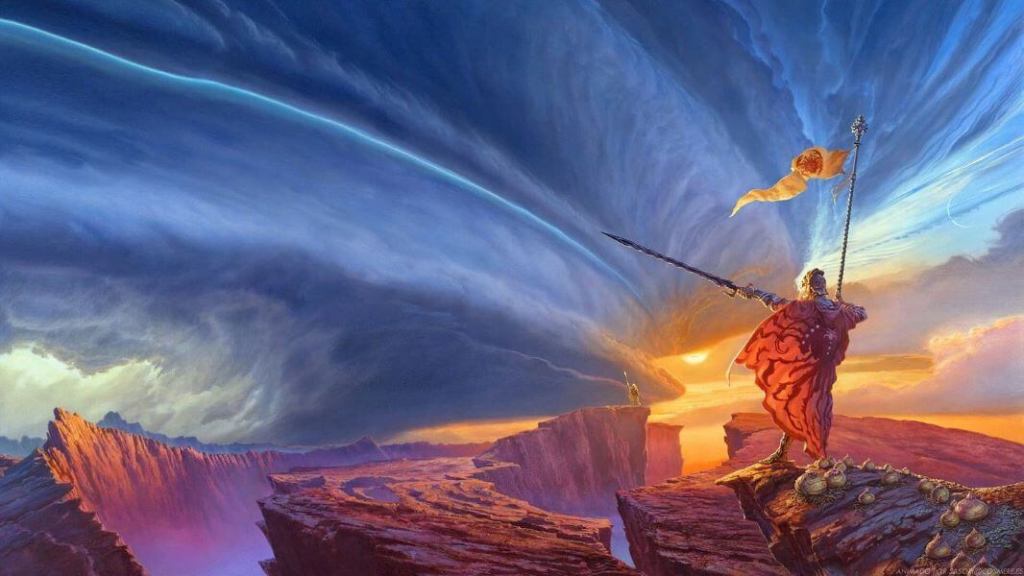
Brandon Sanderson’s “Stormlight Archive” introduces the concept of High Storms, colossal tempests with life-giving energy. These storms shape the landscape, societies, ecology, and even the magic of the world.
The High Storms have influenced flora, leading to the growth of gemhearts, unique plant formations that impact the world’s economy and conflict. They have also led to the evolution of animals which have shells that protect them if they are caught out in a High Storm.
The storms power the magic system, with certain individuals harnessing stormlight to perform extraordinary feats.
Architecture in the world of Roshar accounts for the frequent High Storms, with structures that are strengthened on the windward side and feature retractable walls, protective glyphs, and gemstone reserves to capture stormlight.
High Storms serve as a catalyst for key plot events and character development, making them an essential element of the story.
The art of worldbuilding is an intricate dance between creativity and realism, with climate and weather patterns serving as essential partners. These atmospheric elements not only shape cultures and landscapes, but also breathe life into characters and narratives. As a writer, you have the privilege of harnessing the power of climate and weather to create immersive and captivating worlds. By considering the impact of geography, crafting unique climates, and understanding the cultural and narrative potential of weather, you can paint your worlds with the rich palette of climate, giving them depth, authenticity, and a unique identity. So, let your stories weather the storms and bask in the sunshine of imagination. Happy worldbuilding!
I hope this was helpful. Let me know if you have questions or suggestions by using the Contact Me form on my website or by writing a comment. I post every Friday and would be grateful if you would share my content.
If you want my blog delivered straight to your inbox every month along with exclusive content and giveaways, please sign up for my email list here.
Let’s get writing!
Copyright © 2024 Rebecca Shedd. All rights reserved.
[1] https://en.wikipedia.org/wiki/Windcatcher

The Worldbuilder’s Toolkit: Crafting Maps
Posted on March 1, 2024 Leave a Comment
Designing maps for fictional worlds is an integral part of the world building process, offering a visual gateway into the landscapes, cultures, and adventures of your narrative. Whether charting a single continent or mapping an entire cosmos, the art of cartography for fantasy and sci-fi realms involves a delicate balance between creativity and realism. In this guide, I’ll explore the intricacies of creating realistic maps, from analyzing story elements to using mapping resources and tools. I’ll also navigate through common pitfalls, mapping software, sketching techniques, and essential elements for crafting comprehensive and immersive world maps.
Analyzing Story Elements for Map Design
Begin by analyzing your story’s elements—its plot, themes, and cultures. Identify geographical features that are integral to the narrative, whether they facilitate character journeys, symbolize themes, or drive the plot forward.
Decide which geographical elements are essential or helpful for your story’s progression. Coastal cities for maritime trade, mountain ranges that divide kingdoms, or rivers that flow through ancient civilizations—select features that align with your narrative.
Consider the cultural and historical implications of geographical locations. Place settlements in logical places, such as near water sources, along trade routes, or in strategic positions for defense.
Creating Realistic Maps
Begin by drawing preliminary sketches on paper to develop the geography of your world. Use mapping software or websites like Inkarnate, Wonderdraft, or Campaign Cartographer for detailed digital maps.
Pay attention to realism. Avoid errors like rivers flowing uphill, unrealistic mountain placement, or improbable land formations. Mountains typically form along fault lines, while rivers flow from high to low elevations.
Place settlements logically—near water bodies, fertile land, or natural resources. Consider the terrain’s impact on settlements’ sizes and the cultures that may develop in diverse landscapes.
Essential Map Elements
Scale Marker -Provide a scale to show distances accurately.
Symbols – Use consistent symbols for mountains, forests, cities, and other landmarks.
Typography – Choose readable fonts for labels and descriptions.
Projection Style – Decide on a map projection style that suits your world’s shape and size.
Compass Rose – Include a compass rose for orientation.

Mapping Resources and Tools
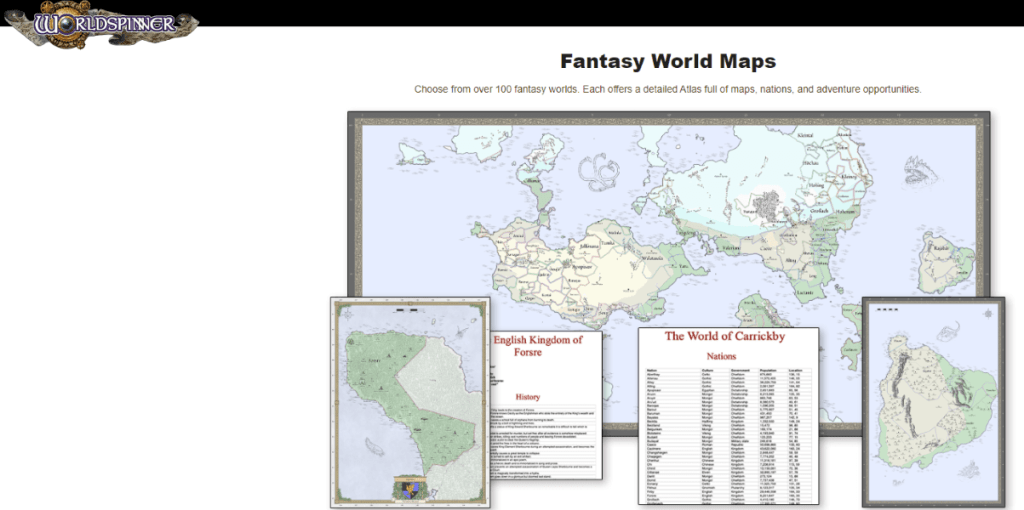
Explore online resources like Cartographer’s Guild, Worldspinner, or Azgaar’s Fantasy Map Generator for tutorials, templates, and community support.
Invest time in learning mapping software such as ArcGIS, Photoshop, or GIMP for detailed and professional map creation.
Take advantage of tutorials and guides available online. Websites like Fantastic Maps or YouTube channels like WASD20 offer tips and tutorials for map creation.
Crafting Realistic and Detailed Maps
Start with the broad strokes of continents or worlds, then zoom in to add finer details like cities, rivers, mountain ranges, and forests. Layering detail creates depth and complexity.
Maintain consistency in scale, style, and naming conventions across your map. Names of cities and settlements can also be a way to add cultural flare to your world. Consider how geographical elements interact and influence each other for a more realistic portrayal.
Maps are iterative creations. Continuously refine and revise your maps based on feedback, research, and your growing understanding of your world.

Designing maps for fictional worlds is a captivating journey that blends imagination with precision. By analyzing story elements, using mapping resources, avoiding common pitfalls, and incorporating essential map elements, you can craft immersive and realistic maps that breathe life into your world. Sketching on paper or employing mapping software allows for the manifestation of your vision, while attention to detail and logical placement of geographical features enriches the narrative tapestry. Embrace the art of cartography as you chart the uncharted, guiding readers on adventures through the rich landscapes of your imagined realms. Happy worldbuilding!
I hope this was helpful. Let me know if you have questions or suggestions by using the Contact Me form on my website or by writing a comment. I post every Friday and would be grateful if you would share my content.
If you want my blog delivered straight to your inbox every month along with exclusive content and giveaways, please sign up for my email list here.
Let’s get writing!
Copyright © 2024 Rebecca Shedd. All rights reserved.
 Rebecca Shedd - Author