

The Writer’s Guide to Gunshot Wounds
Posted on June 20, 2025 3 Comments

Gunshot wounds are high-stakes injuries often used to raise tension, shift plot direction, or force characters into survival situations. But in fiction, they’re also frequently misrepresented. A character shrugs off a bullet to the shoulder and runs a mile. Another takes a shot to the gut and delivers a rousing speech while bleeding out. While creative license has its place, writing gunshot wounds with accuracy and thoughtfulness can add realism, drama, and depth to your story.
This guide breaks down how you can realistically portray gunshot injuries, exploring how factors like location, distance, firearm type, caliber, and long-term effects affect the outcome—and how your characters deal with it.
The Big Four Factors That Determine Severity
Location of the Wound
Where the bullet hits is arguably the most important factor in determining severity, pain, survivability, and consequences.
Head: Nearly always fatal unless the bullet grazes or misses vital brain structures. Survivors may suffer permanent cognitive or motor impairments.
Neck: High risk because of arteries, airways, and spinal cord. Can cause death by bleeding, asphyxiation, or paralysis.
Chest/Thorax: May puncture lungs, heart, or major arteries. A collapsed lung (pneumothorax) may be survivable with immediate care. Heart shots are nearly always fatal.
Abdomen: Damage to organs like the liver, intestines, or kidneys can be survivable—but painful, with a risk of sepsis or long recovery.
Arms: Often survivable unless major arteries or nerves are hit.
Legs: Femoral artery injuries bleed out fast. Joint damage can lead to disability.
Shoulder: While common in fiction as a “safe” shot, the shoulder contains nerves, arteries, and the brachial plexus—a hit here is not minor.
There are very few places on the human body where a bullet can go through “cleanly” without serious consequences.
Distance to Target
Distance affects bullet speed, trajectory, and penetration:
Close range: High velocity, massive tissue damage, often with an exit wound. May include burns or stippling (tiny burns from gunpowder).
Medium range: Still deadly, especially with rifles or handguns.
Long range: Less velocity, but high-caliber weapons (e.g., sniper rifles) still deliver lethal damage.
Point-blank: Devastating. Can cause hydrostatic shock (shockwave trauma) or completely shatter bone. A point-blank shotgun blast will not be survivable unless it’s a glancing hit or a specialty shell.
Type of Firearm and Ammunition
Different weapons produce vastly different wounds.
Handguns (e.g., 9mm, .45 ACP): Lower velocity, less tissue destruction than rifles. Good for close-range injuries.
Rifles (e.g., AR-15, AK-47): High-velocity rounds. Bullets can tumble or fragment, causing greater internal damage.
Shotguns: Buckshot is devastating at close range; multiple projectiles spread out. Slugs are large, single projectiles—massive impact, potentially fatal.
Hollow point bullets: Expand on impact, causing large wound channels but usually staying inside the body.
Full metal jacket bullets: May pass through (creating entry and exit wounds), potentially hitting bystanders or walls behind.
Survival doesn’t just depend on the gun—it depends on the bullet.
Caliber and Ballistics
Caliber affects penetration, trauma, and internal injury.
Small calibers (e.g., .22): Less fatal, but can still kill, especially if they ricochet inside the skull or strike vital organs.
Medium calibers (e.g., 9mm, .40): Standard for law enforcement; deadly with proper shot placement.
High calibers (e.g., .50 BMG): Overkill for human targets—more often used in military or sci-fi contexts. Can dismember or explode tissue.

What Happens After the Shot
Immediate Effects
Shock and Pain: Most people go into shock before they even process the pain.
Bleeding: Arterial bleeding spurts. Venous bleeding oozes. Tourniquets and pressure matter.
Adrenaline: May delay the onset of pain or symptoms temporarily.
Mobility: A character can still move after being shot in the leg or shoulder—but they’ll experience slowness, pain, and may leave a blood trail.
Blood Loss: Even minor-sounding injuries (like a hit to the thigh) can cause death in under five minutes if they strike a major artery.
Medical Treatment
First Aid: Pressure, elevation, tourniquet, or chest seals for sucking wounds.
Emergency Care: IV fluids, surgery to repair organs, blood transfusions.
Infection Risk: Especially in gut wounds or if the bullet brings debris with it.
Recovery Time
Minor limb injury: Weeks to months.
Chest or abdominal wound: Months of rehab, possible surgeries.
Major organ damage: Could be lifelong or fatal.
Survival Odds by Location (Generalized)
Head (brain) – < 10% – Usually fatal unless it’s a grazing or peripheral hit
Neck – 10–40% – High risk of bleeding, airway obstruction, or paralysis
Chest – 15–60% – Depends on lung vs heart and access to trauma care
Abdomen – 50–70% – Survival possible with rapid surgical intervention
Arm (upper/lower) – 80–95% – Risks: nerve damage, brachial artery, long-term weakness
Leg (upper/lower) – 70–90% – Femoral artery is the biggest danger
Shoulder – 60–85% – Often survivable but not “minor”
Long-Term Effects
Surviving a gunshot wound often comes with permanent consequences.
Chronic Pain or Disability: Especially from damaged joints or nerves.
Mobility Issues: A leg wound might lead to a limp. A shot arm may never regain full strength.
Mental Trauma: PTSD, survivor’s guilt, fear of enclosed spaces or loud sounds.
Scarring: Exit wounds are often uglier than entry wounds. Characters may carry visible or emotional scars.
Addiction or Dependency: Long recoveries might lead to opioid dependence or depression.
Reputation or Legend: In some genres, surviving a gunshot can turn a character into a symbol, legend, or target.

Depicting Gunshot Wounds Across Genres
Gunshot wounds are a powerful tool in fiction—dramatic, painful, and potentially life-altering. But how you portray a gunshot injury should reflect your story’s genre, setting, and technology level. A gritty crime thriller will handle a bullet wound differently from a space opera or a historical drama. I will examine how genre and time period affect the portrayal of gunshot wounds, ranging from modern realism to speculative fiction, and even show how firearms can be thoughtfully integrated into fantasy settings.
Contemporary
In contemporary fiction—especially in crime, thrillers, or military fiction—realistic detail is key. Readers expect authentic depictions of ballistics, injury severity, emergency response, and long-term recovery.
How Gunshot Wounds Are Depicted
Immediate Pain and Shock: Gunshot victims rarely stay cool and coherent unless they’re heavily trained or in shock.
Medical Intervention Is Essential: A character doesn’t “walk off” a bullet to the chest. Even limb shots may involve arterial bleeding, nerve damage, or bone fractures.
Legal and Procedural Fallout: In contemporary settings, being shot—or shooting someone—comes with police reports, trauma, investigations, and sometimes lawsuits or revenge plots.
Type of Firearm Matters: A .22 caliber handgun causes very different wounds from a shotgun or rifle.
Example: A detective shot in the leg during a raid may survive, but with weeks of rehab and a permanent limp that complicates their return to duty.
Science Fiction
Science fiction opens the door to creative reinterpretations of what a gunshot even is. You’re no longer limited to metal bullets—you might be dealing with plasma rifles, energy blasts, sonic disruptors, or magnetically accelerated projectiles (railguns).
How Gunshot Wounds Are Depicted
High-Energy Trauma: Sci-fi weapons may vaporize tissue, cauterize wounds instantly, or disrupt internal organs without breaking the skin.
Armor and Shields: Characters may wear powered armor or have personal shields that absorb or deflect shots. Injuries might result from concussive force or internal damage despite lack of penetration.
Medical Advancements
Regeneration chambers, nanobots, or synthetic tissue may allow for near-instant healing—or horrifying complications.
Survival may be easier, but psychological trauma and cybernetic replacement arcs still add stakes.
Example: A bounty hunter shot by a plasma bolt survives, but the wound fuses nerves unnaturally. Now they feel heat when it rains—and hear voices that weren’t there before.
Historical
The setting of your historical novel determines the firearms available, as well as their lethality, reliability, and wound profile. A gunshot in 1750 looks—and behaves—differently from one in 1944.
A Brief History of Firearms
15th–16th centuries – Matchlocks and hand cannons – Inaccurate, slow to reload. Large lead balls cause massive blunt trauma.
17th–18th centuries – Flintlock pistols and muskets – Smoothbore weapons with poor accuracy. Lead balls crush tissue, often lodging inside.
19th century – Percussion cap firearms, revolvers, early rifles – More reliable. Wounds still messy; high risk of infection.
Mid-20th century (WWI/II) – Bolt-action and semi-automatic rifles, machine guns, pistols – Faster fire, high-velocity rounds with through-and-through wounds.
Modern day – Assault rifles, sniper rifles, handguns, shotguns – Wide variation. Modern bullets cause cavitation and fragmentation.
Medical Limitations in Historical Settings
Lack of Sterility: Even a survivable wound might become infected or gangrenous.
Slow Evacuation: A soldier shot on the battlefield might wait hours or days for medical attention.
Crude Surgery: Amputation was common for limb wounds because of shattered bone and infection.
No Anesthesia (Pre-1840s): Treatment was often as traumatic as the wound.
Example: A Revolutionary War soldier shot in the gut is unlikely to survive—not because of the bullet, but because peritonitis (infection of the abdominal lining) sets in.

Fantasy
Though traditional fantasy leans toward swords, bows, and spells, guns can absolutely work in a fantasy setting, especially if the Renaissance, flintlock era, or steampunk aesthetics inspired the world.
Fantasy Gun Concepts
Arcane-Fused Firearms: Guns powered by crystals, runes, or enchanted powder.
Spellshots: Firearms that fire magically infused rounds, such as bullets that explode into flames or frost.
Gunmages: Spellcasters who channel their magic through a firearm, controlling its accuracy, power, or elemental effects.
Dwarven Engineering or Steampunk Invention: Guns as rare, volatile tools available only to skilled inventors or secretive guilds.
Depicting Gunshot Wounds in Fantasy
Magical Medicine vs. Mundane Damage: Does healing magic work on gunshots? Is it treated like any other wound, or do bullets resist spells?
Supernatural Ammunition: Silver bullets for werewolves. Obsidian rounds that curse rather than kill. Bullets that explode with magical energy, damaging both body and spirit.
Example: A rogue fires a single-shot rune-etched pistol at a charging ogre. The bullet strikes true—but the ogre doesn’t fall. The wound glows purple. It was a binding shot, not a killing one.
Treating Gunshot Wounds Through History (and Beyond): From Muskets to Medbays
Gunshot wounds have evolved alongside the weapons that cause them. A lead musket ball from the 1600s causes a very different injury—and demands a very different response—than a modern rifle round or a sci-fi plasma bolt. As firearms developed in power, speed, and availability, so did the medical practices used to treat the wounds they inflicted.
I will walk you through typical gunshot wound treatments across historical eras, then explore how science fiction and fantasy settings might handle firearm injuries within the logic of their worlds.
Early Firearms (15th–17th Centuries): Matchlocks, Muskets, and Mutilation
Early weapons fired slow, heavy lead balls with poor accuracy and low velocity. Rather than piercing cleanly, these flattened on impact, crushing bone and tearing soft tissue. Wounds were messy, blunt-force traumas, often with embedded lead and fabric debris.
Treatments
No understanding of infection or bacteria. People considered gunshot wounds “poisoned” and often cauterized them with boiling oil or hot irons. Amputation was common—especially for limb wounds involving shattered bones. Surgeons would use bone saws, clamps, and alcohol as crude anesthesia (or none). Surgeons applied herbal poultices and salves to “draw out” the damage.
Tip: Characters might fear the surgeon more than the gunshot. Treatment was often as traumatic as the injury itself, and survival depended as much on luck and constitution as care.
18th–19th Centuries: Flintlocks, Revolvers, and Field Medicine
Still using lead balls and black powder, but with improved loading and firing rates. Introduction of rifled barrels increased accuracy and force, leading to deeper penetration. In the Civil War and Napoleonic Wars, limb wounds were overwhelmingly common, but abdominal or chest wounds were usually fatal.
Treatments
Amputation remained the go-to solution for limb wounds, especially in war. Surgeons understood some basic wound cleanliness, but they did not widely use antiseptics until late in that era. By the mid-1800s, surgeons used ether and chloroform as anesthesia. Triage and battlefield hospitals became better organized. They attempted bullet extraction, but it could cause more harm than good.
Tip: A character wounded in battle might survive with a stump, a cane, or lifelong pain. Emotional trauma was often overlooked, but writers can explore the psychological cost of survival.
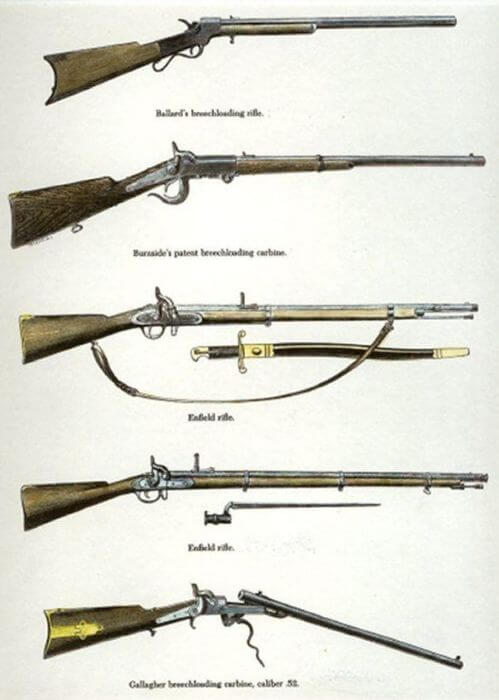
Early 20th Century: World Wars and Surgical Breakthroughs
Introduction of machine guns, high-velocity rifles, and shrapnel changed the battlefield. Wounds became more complex, involving multiple entry/exit points, fragmentation, and internal damage. Trench warfare led to chronic infections, gangrene, and delayed treatment because of battlefield conditions.
Treatments
Antiseptics and sterilization became standard. Blood transfusions and IV fluids improved survival rates. Field surgery and mobile hospitals advanced. Alexander Fleming discovered penicillin in 1928, revolutionizing infection treatment. Psychological care began to address shell shock, a precursor to PTSD care.
Tip: A soldier wounded in WWII might receive battlefield stabilization, evacuation, and multiple surgeries. Long-term effects could include nerve damage, reduced mobility, or mental health challenges.
Late 20th to 21st Century: Modern Firearms and Advanced Trauma Care
Use of hollow point, jacketed, and high-velocity rounds increased the complexity of wounds. Greater understanding of cavitation effects (tissue disruption caused by bullet shockwaves). More gunshot wounds involve multiple bullets, high blood loss, and shattered bones.
Treatments
Rapid-response EMS systems: Stabilization within minutes of injury.
Advanced trauma centers: CT scans, surgical teams, ICU care.
Wound management: Debridement, antibiotics, internal fixation (plates, rods), skin grafts.
Rehabilitation: Physical therapy, prosthetics, and psychological counseling.
Ballistics forensics can determine bullet type, distance, and angle for investigative plots.
Tip: A modern character shot in a major city has a solid survival chance if they receive treatment quickly. Characters may still face months of recovery, complications, or chronic pain.
Science Fiction: Healing Beyond the Bullet
Weapons may include plasma bolts, railguns, lasers, or sonic disruptors. Wounds may cauterize instantly, vaporize tissue, or cause internal organ failure without surface damage.
Treatments
Nanotechnology: Microscopic bots that repair tissue, clean wounds, stop bleeding, and even rebuild organs.
Regeneration chambers: Tanks or beds that stimulate rapid healing using biotechnology.
Artificial implants or cybernetic limbs: Tech can replace destroyed tissue.
Gene therapy: Activate the body’s latent regenerative abilities—at a cost (mutation, fatigue, etc.).
AI-guided medbots: Machines perform surgery or stabilize wounds with precision.
Tip: Even if treatment is instant, consequences matter. Psychological scars, debt from medical services, or technology gone wrong can add rich narrative layers.
Fantasy: When Magic Meets Musket Fire
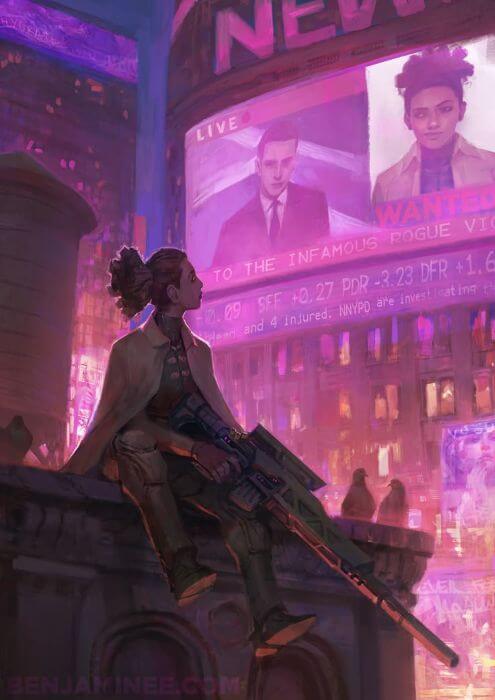
Though firearms are uncommon in traditional fantasy, they can exist in Renaissance, steampunk, or magic-infused worlds. Whether primitive or enchanted, bullets still break flesh—and characters still bleed.
Fantasy Firearm Types
Runed pistols or flintlock muskets used by arcane rebels. Alchemical guns that shoot elemental bullets. Dwarven-engineered rifles or spellguns used by gunmages.
Treatments
Healing Magic: Basic spells may stop bleeding or close wounds but not regenerate lost blood or organs. High-level magic might regrow tissue, but requires rare ingredients, time, or sacrifice. Some bullets (e.g., cursed, silver, or chaos-infused) might resist healing altogether.
Alchemical Potions and Salves: Quick-healing draughts may numb pain or speed up clotting, but overuse might cause side effects (e.g., addiction, corruption).
Clerics or Priests: Healing tied to divine power or ritual may come with moral or spiritual cost—healing a killer might anger their god.
Traditional Methods: In lower-magic settings, healers treat a gunshot like any wound: with surgery, herbal compresses, cauterization, and hope.
Tip: Treat gunshot wounds as rare and terrifying in low-magic settings, and as manageable but still dramatic in high-magic ones. Either way, make healing cost something.
Plot and Character Ideas
Gunshot wounds offer more than just physical damage—they can change the trajectory of a story, test a character’s morality, resilience, or relationships, and act as a catalyst for revenge, redemption, or transformation. Whether the gunshot is a mistake, a deliberate act, or a consequence of a larger conflict, these moments often carry emotional and narrative weight.
Below are plot and character ideas centered on gunshot wounds, including options for contemporary, historical, fantasy, and science fiction settings.
The Survivor with a Bullet Lodged Inside
Genre: Contemporary, Crime, Thriller
Plot Idea: A character survives a gunshot wound—but the bullet was never removed. Over time, it causes complications, physically and mentally.
Character Angle: The bullet becomes a constant reminder of the trauma. The character develops chronic pain or PTSD, making daily life difficult. They keep the bullet a secret—perhaps it could link them to a crime or reveal their true identity.
The Healer Who Can’t Save Everyone
Genre: Historical, Medical Drama, Fantasy
Plot Idea: A battlefield surgeon, medic, or healer cannot save a wounded soldier because of a gunshot wound they can’t treat in time.
Character Angle: Wracked with guilt, the character becomes obsessed with mastering their craft. They question whether they let the person die on purpose (e.g., a traitor, enemy, or friend). Later, they meet someone else with a similar injury and must face the trauma all over again.
A Case of Mistaken Gunfire
Genre: Detective, Noir, Contemporary Thriller
Plot Idea: A character accidentally shoots someone they thought was a threat, only to realize the victim was innocent.
Character Angle: They spiral into self-loathing or become obsessed with atonement. Someone witnessed the shooting and used it for blackmail or revenge. The wound didn’t kill the victim—but the person is now paralyzed or changed forever.
The Ghost Bullet
Genre: Science Fiction, Mystery
Plot Idea: A gunshot injures a character—but investigators find no shooter and recover no bullet.
Character Angle: They suspect advanced or alien tech targeted them. They experience strange symptoms, like enhanced senses, hallucinations, or embedded nanotech. As they investigate, they uncover a government experiment or secret war.
The Magic That Can’t Heal a Bullet
Genre: Fantasy
Plot Idea: A gun is a rare, magical artifact in a high-fantasy setting. Someone shot a character, but the wound did not respond to magical healing.
Character Angle: A curse, enchantment, or otherworldly power might affect the bullet. The wounded character must undertake a quest to find a magical remedy—or die slowly. The wound grants visions or abilities—but only if they survive long enough to understand them.
The Assassin’s Doubt
Genre: Thriller, Espionage
Plot Idea: A professional hitman shoots their target—but the victim survives against all odds and disappears.
Character Angle: The assassin becomes obsessed with finishing the job—or figuring out why they couldn’t. The survivor may now have a personal vendetta, becoming the hunter. Was the miss intentional? Subconscious doubt, a misfire, or a planted distraction?
The Soldier’s Second Life
Genre: Historical, Military, Contemporary
Plot Idea: A soldier is presumed dead after being shot and left on the battlefield but survives against all odds.
Upon returning home, they find authorities declared them dead, their spouse remarried, or someone sold their home. They struggle with identity, PTSD, and reintegration, while their survival story becomes legend or political controversy. They later discover the person who shot them was a friend—or an ally turned traitor.
The Scapegoat
Genre: Mystery, Legal Drama, Crime
Plot Idea: During a high-profile crime—a robbery, protest, or riot—someone shoots a character, then frames another person for it.
Character Angle: The victim can’t remember who shot them but slowly regains memory. The shooter was someone they trusted—or were ordered to protect. The character must choose between protecting someone they love or revealing the truth.
The Clean Shot That Should’ve Killed
Genre: Science Fiction, Supernatural
Plot Idea: Someone shot a character point-blank, but miraculously, the character survived—not through luck, but because something unnatural intervened.
Character Angle: The character heals too quickly and questions their humanity. They experience visions, altered perceptions, or unexplainable abilities. Was the shooter part of a secret group testing superhuman resilience?
A Wound Shared Across Worlds
Genre: Fantasy, Portal Fantasy
Plot Idea: A character, shot in our world, wakes up in a fantasy realm; magical healing cannot stop the bleeding wound.
Character Angle: The injury links them to another version of themselves who is being hunted in the other world. The wound is the key to traveling between realms. Every time it bleeds, they shift realities or uncover part of a prophecy.
The Keepsake Bullet
Genre: Romance, Historical, Thriller
Plot Idea: A character carries a bullet that was removed from their body—a reminder of something (or someone) they can’t forget.
Character Angle: The bullet is from a lover, a betrayal, or a war. They wear it as a necklace, charm, or hidden in their clothing. When confronted by the past, they must choose to seek revenge, closure, or peace.
The Legendary Survivor
Genre: Western, War Story, Urban Myth
Plot Idea: A character survives a nearly fatal gunshot and becomes a local legend—but the truth behind the wound is more complicated.
Character Angle: People exaggerate the story, and the character must live up to (or dismantle) the myth. The injury gave them a second chance at life, and now they seek justice, not vengeance. Their own child, best friend, or former student fired the bullet—and no one else knows.
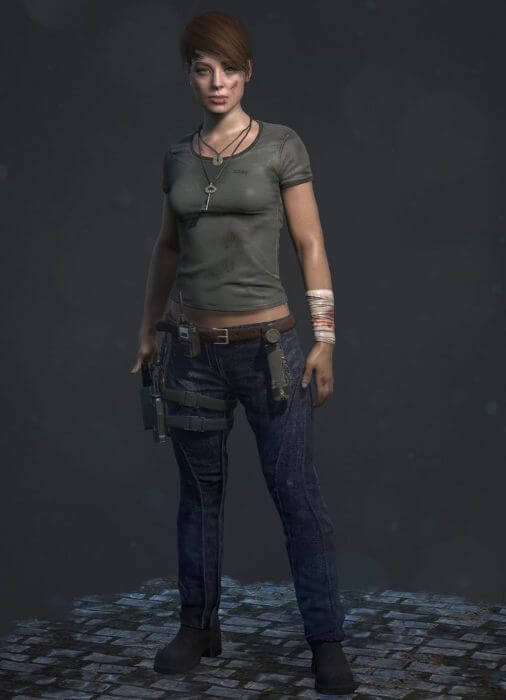
Contextualize firearms and the wounds they inflict within your genre and setting. A shot that instantly kills in one world might merely disorient in another. Consider not just what the gun does, but how it fits into the world, and how your character deals with the consequences.
Gunshot wounds can be more than just a plot point. They can be the heart of a story, shaping everything from character motivation to thematic tone. Whether you’re writing about revenge, survival, transformation, or redemption, using a gunshot wound as a catalyst gives you an opportunity to explore pain, resilience, and choice at their most visceral.
A bullet wound leaves a scar. Make sure the story does too.
I hope this was helpful. Let me know if you have questions or suggestions by using the Contact Me form on my website or by writing a comment. I post every Friday and would be grateful if you would share my content.
If you want my blog delivered straight to your inbox every month along with exclusive content and giveaways, please sign up for my email list here.
Let’s get writing!
Copyright © 2025 Rebecca Shedd. All rights reserved.

The Writer’s Guide to Dislocations
Posted on June 6, 2025 Leave a Comment
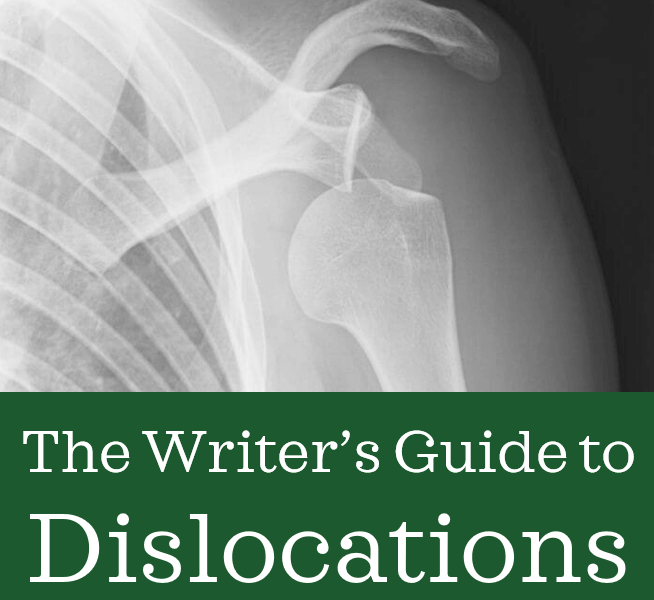
A forcibly displaced joint causes excruciating and debilitating injuries. Unlike fractures, where bones break, a dislocation affects the connective tissues that hold joints together, often tearing ligaments and stretching tendons. Writing realistic dislocations requires understanding which joints are affected, symptoms, appearance, and long-term effects. This article will guide you through writing authentic and compelling injury scenes involving dislocations.
What is Dislocation?
Blunt trauma, falls, or extreme twisting movements push or pull a joint out of alignment, causing a dislocation. The injury can tear ligaments, damage nerves, and cause intense pain, requiring either immediate reduction (putting it back in place) or medical intervention.
Common Causes of Dislocations in Fiction
Combat: A well-placed strike, fall, or grappling move could force a joint out of place.
Falls and Accidents: Landing awkwardly can lead to shoulder, elbow, or hip dislocations.
Overuse or Hyperextension: Gymnasts, martial artists, or extreme athletes might suffer from recurring dislocations.
Torture and Restraint: A character may have a joint forcibly dislocated as punishment or during an escape attempt.
Joints Most Commonly Affected by Dislocation
Shoulder Dislocation (Most Common)
Likelihood: Most frequently dislocated joint (50% of all dislocations).
Appearance: Shoulder appears flattened or deformed, arm may hang limply.
Symptoms: Intense pain in the upper arm and collarbone area. Inability to lift or rotate the arm. Tingling or numbness if nerves are affected.
Common Causes Falls (especially landing on an outstretched arm). Hard impacts (punches, tackles, being thrown). Overextension (pulling the arm too far back).
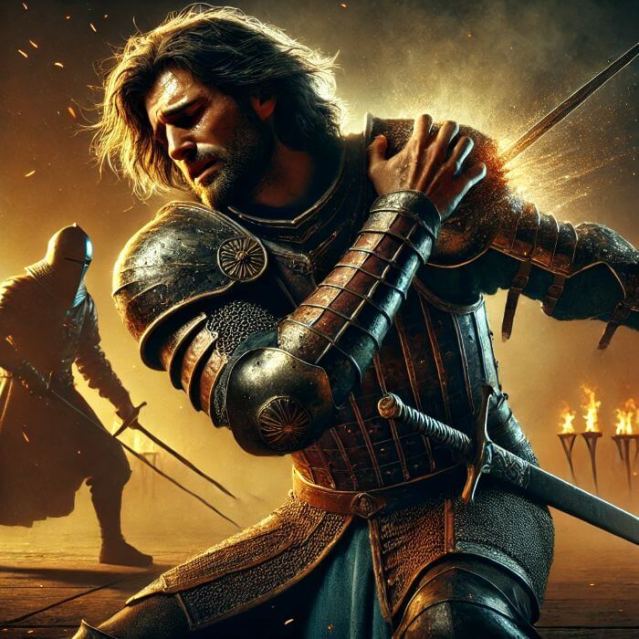
Example: “His opponent twisted his arm and wrenched upward. The pain was immediate, searing through his shoulder as the joint popped free. His arm hung limp, useless, but there was no time to scream—he had to keep fighting.”
Hip Dislocation (Rare but Devastating)
Likelihood: Less common but extremely serious—often occurs in high-impact trauma (e.g., car crashes, falls from heights).
Appearance: The leg appears shortened or twisted at an unnatural angle.
Symptoms: Severe pain in the hip, groin, or thigh. Inability to stand or bear weight on the affected leg. Numbness or tingling in the foot (nerve damage possible).
Common Causes: Falling from significant heights (off a horse, down a cliff, from a building). Extreme force (car accidents, battlefield trauma). Torture or extreme restraint (a forced separation of the legs).
Complications: Often accompanied by a fractured pelvis or femur. High risk of nerve damage (sciatic nerve involvement). Long-term recovery—can take months, sometimes requiring surgery.
Example: “The fall was worse than he thought. When he tried to move, agony lanced through his hip, and his leg wouldn’t obey. He forced himself to look—his leg had twisted, and the joint was no longer in its proper place.
Finger Dislocation
Likelihood: Common in fighters, athletes, or those who fall onto their hands.
Appearance: A finger bent at an unnatural angle.
Symptoms: Sharp pain at the affected knuckle. Swelling and bruising. Difficulty gripping objects.
Common Causes: Punching with improper form (boxers, brawlers). Catching a ball or weapon incorrectly. Falling onto outstretched fingers.
Example: “He swung his fist, but the impact was off—too much force, wrong angle. Pain shot up his hand as his ring finger bent sideways, dislocated at the knuckle. He swallowed a curse. That was going to be a problem.”
Knee Dislocation (Rare but Severe)
Likelihood: Less common but extremely serious—often involves ligament tears.
Appearance: The knee appears twisted or out of place, swelling quickly.
Symptoms: Excruciating pain in the knee and lower leg. Inability to bear weight or walk. Nerve damage may cause numbness.
Common Causes: Car accidents (dashboard injuries). Falling hard on the knee. Extreme twisting (during combat or sports).
Example: “The soldier’s leg twisted the wrong way as he fell, and the pain was immediate. He tried to stand, but his knee buckled—the joint had shifted out of place, leaving his leg useless beneath him.”

Symptoms and Immediate Effects of Dislocation
Immediate Signs of Dislocation:
Sudden, severe pain at the joint.
Visible deformity—the joint may look “off” or misaligned.
Swelling and bruising around the area.
Limited movement—the limb feels frozen or is excruciating to move.
Tingling or numbness (if nerves are affected).
Treatment and Recovery for Dislocations
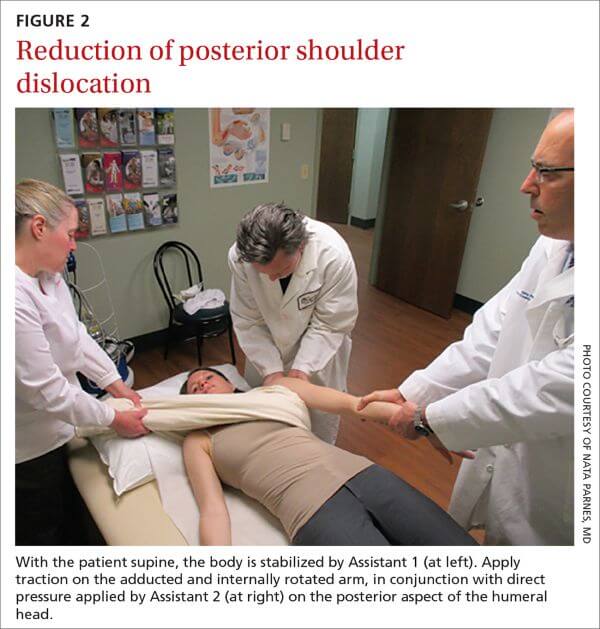
How to Fix a Dislocated Joint (Reduction)
Do NOT Force It Back! Forcing a joint back can tear ligaments, damage nerves, or break bones.
Immobilize the Joint: Keep the affected limb still and supported.
Ice and Pain Management: Reduces swelling and numbs pain.
Seek Medical Help: A trained professional should perform the reduction (putting it back in place).
Long-Term Effects of Dislocations
Even after realignment of the joint, the damage persists, and symptoms may include:
Chronic Weakness: The joint is now more prone to dislocations in the future.
Ligament damage: Permanent stretching can affect the soft tissue around the joint.
Arthritis and Pain: Years later, old dislocations can cause stiffness or joint pain.
Psychological Trauma: If the dislocation happened in a traumatic event (battle, accident, torture), the character might hesitate to use that limb again.
Example: “Even years later, his shoulder never felt quite right. A bad throw, a sudden twist—each time, he felt the familiar, sickening shift of the joint, the ghost of an old injury that refused to be forgotten.”
Depicting Dislocations Across Genres
Dislocations are painful, debilitating injuries that affect joint movement and physical ability. However, the genre heavily influences how fiction portrays a dislocation. A medieval knight, a cybernetic soldier, and a modern-day athlete will experience, treat, and recover from a dislocation in vastly different ways.
This article explores how contemporary, historical, fantasy, and science fiction settings depict dislocations, including how armor, medical advancements, and supernatural elements influence their severity and treatment.
Contemporary
In a modern setting, realistic medical treatment and long-term recovery are key. A character suffering a dislocation cannot “pop it back in” instantly without consequences—ligament damage, swelling, and pain will persist.
Common Causes
Sports and Athletics: Football tackles, boxing injuries, gymnastics, or parkour accidents.
Street Fights and Self-Defense: A character caught in a wrist lock or armbar may suffer a joint dislocation.
Car Accidents and Falls: A hip or knee dislocation could result from a high-speed crash or workplace injury.
Torture and Restraint: Interrogators might dislocate a prisoner’s shoulder or fingers to inflict pain without causing permanent disability.
Impact on Characters
Immediate Medical Treatment: Ice, slings, and professional relocation by a doctor.
Pain and Mobility Issues: The character will struggle to move the affected limb for weeks, needing physical therapy.
Realistic Recovery Time
Minor dislocations (finger, wrist): A few weeks.
Severe dislocations (shoulder, hip, knee): Months of rehab, possible surgery.
Psychological Effects
An athlete may fear reinjury, affecting their performance.
A character with recurring dislocations (e.g., an ex-fighter) might hesitate to engage in combat.
Example: “The moment his shoulder hit the pavement, he knew something was wrong. His arm dangled uselessly at his side, pain pulsing through the joint. Gritting his teeth, he forced himself to stay calm—he needed a hospital, not a quick fix.”
Historical
In historical fiction, dislocations were dangerous, painful, and often permanent injuries because of primitive medical techniques. Without an understanding of ligament damage, proper relocation, or physical therapy, characters would suffer lasting consequences.
Common Causes
Battlefield Trauma: A knight falling from a horse could dislocate their shoulder or hip. Hand-to-hand combat could cause wrist, elbow, or finger dislocations.
Occupational Accidents: Blacksmiths, builders, or farmers might suffer dislocated knees or fingers from accidents with tools or animals.
Judicial Punishments and Torture: Medieval torturers dislocated shoulders or fingers (e.g., the rack, thumbscrews, or breaking wheels).
Impact on Characters
Lack of Proper Treatment: Joints might be forcibly relocated without pain relief, causing permanent stiffness or nerve damage. If a physician is available, they might use Hippocratic methods (traction-based relocation).
High Risk of Infection: Swelling and inflammation could lead to sepsis if improperly treated. Some treatments involved herbs, poultices, and prayer, rather than effective medical intervention.
Permanent Disability: Chronic pain and stiffness were common long-term effects. A warrior with a severe knee or shoulder dislocation might never return to battle.
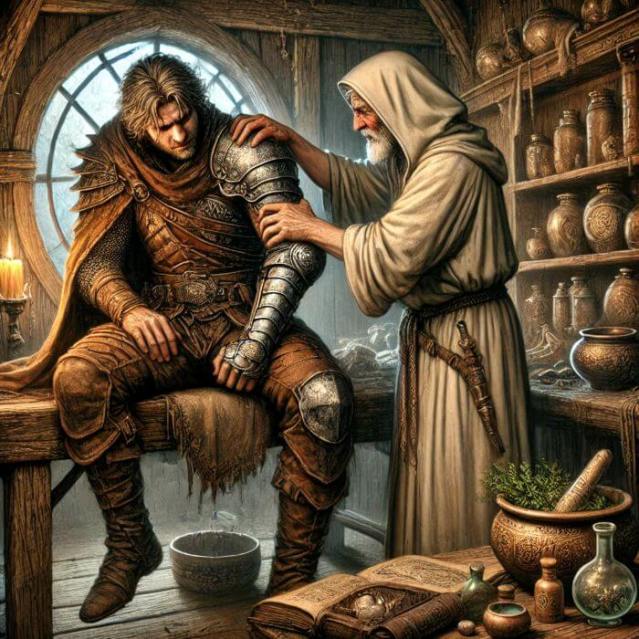
Example: “The healer yanked his arm with a sharp jerk. He screamed as the joint popped back into place, stars bursting behind his eyes. ‘You’ll live,’ she muttered, tying his arm across his chest with a rough cloth. ‘But don’t think you’ll lift a sword soon.’”
Fantasy
Fantasy settings introduce magical healing, enchanted armor, and supernatural causes for dislocations. However, a well-written injury should still follow logic—even in a world with magic, a dislocated shoulder should not heal instantly without consequence.
Common Causes
Heavy Armor and Blunt Force: Knights in battle might suffer dislocations if they fall hard in heavy plate armor. A shield strike could dislocate an opponent’s shoulder without breaking skin.
Monsters and Magic Attacks: A dragon’s tail swipe could send a warrior flying, dislocating multiple joints. A spell might force a limb out of place unnaturally, causing a magical injury resistant to healing.
Cursed Wounds and Unhealable Damage: Some injuries may resist healing magic, forcing a character to endure long-term pain. A “healed” dislocation might still ache under certain conditions (e.g., a full moon, near cursed objects).
Impact on Characters
Magical Healing Limitations: Does magic fix the joint immediately, or does the character still need time to recover? Are side effects present (e.g., scars glowing, pain returning at night)?
Enhanced Durability: Orcs, dwarves, or magically enhanced beings may recover faster or resist dislocations.
Fantasy Armor Considerations: Plate armor might protect against dislocation but add weight, making recovery harder. Chainmail and leather armor might not prevent joint trauma.
Example: “The ogre’s club sent him flying, his shoulder wrenching out of place with a sickening pop. He gasped, vision going white with pain. The healer rushed forward, muttering a spell—warmth flooded the joint, and though the pain faded, the ache remained, a ghost of the injury still lingering beneath his skin.”
Science Fiction
In futuristic settings, medical technology, cybernetics, and genetic enhancements will alter the treatment and experience of dislocations.
Common Causes
Zero-Gravity Injuries: In space, a sudden jolt might hyperextend a joint, causing a floating dislocation with no gravity to reset it naturally.
Cybernetic Malfunctions: A synthetic limb could dislocate or malfunction, locking the joint in place or failing to provide sensation.
Advanced Combat: Energy weapons might knock a limb out of place without breaking the skin. Powered exoskeletons could force joints beyond their natural limits.
Impact on Characters
Instant Fixes with Medical Advancements: Regenerative injections could repair torn ligaments instantly. Nanotechnology might realign the joint and reinforce tendons.
Cybernetic Limbs and Prosthetics: If a cyborg dislocates a synthetic joint, do they feel pain, or is it just mechanical failure? Can they self-repair their injury?
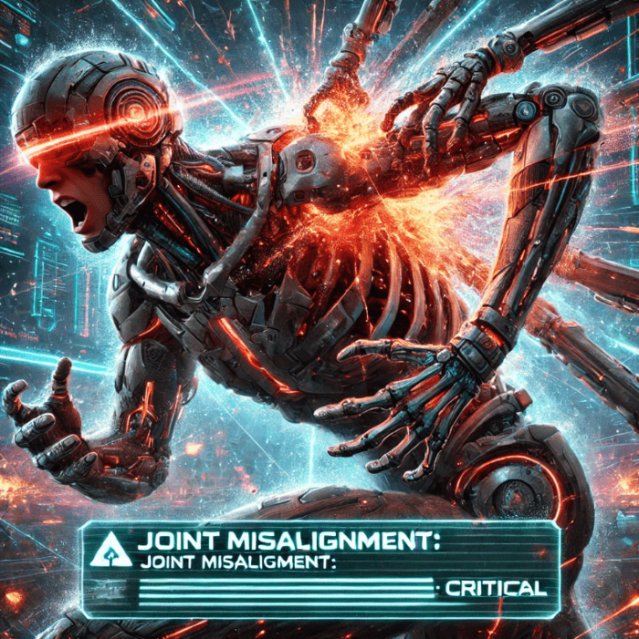
Example: “The shockwave threw him into the air, and when he landed, his cybernetic shoulder twisted at an unnatural angle. The AI in his exosuit registered ‘Joint Misalignment: Critical.’ With a hiss, the servos whirred—resetting the joint with a mechanical snap.”
Treating Dislocations Across Eras and Genres
Dislocated joints are painful and debilitating injuries, and their treatment depends heavily on the historical period, medical advancements, and the genre of the story. In some settings, practitioners employ primitive or brutal methods, while in others, advanced medical technology or magic enables near-instant healing. Below, we explore typical treatments for dislocations across the ancient world, medieval period, contemporary medicine, fantasy, and science fiction.
Ancient World
In ancient times, medical knowledge was limited, and treatments for dislocations often relied on brute force, traction, and herbal remedies. Without an understanding of ligaments or nerves, the process was painful and often left permanent damage.
Typical Treatments
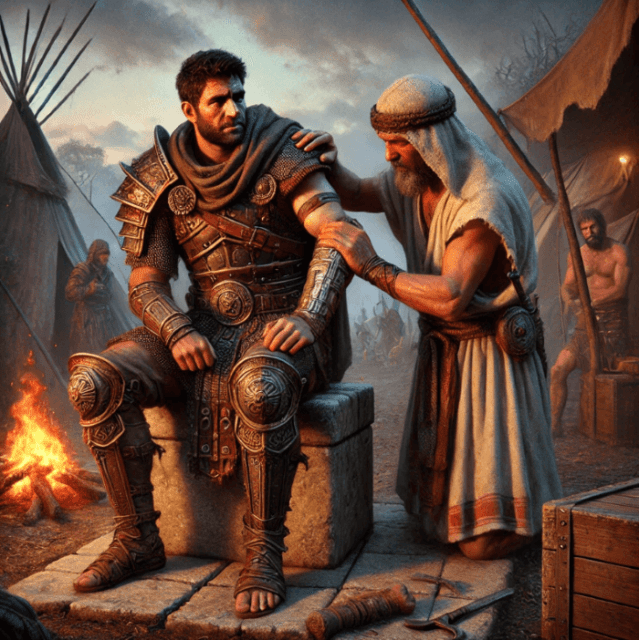
The Hippocratic Method (Traction-Based Reduction): Named after the Greek physician Hippocrates, this method involved pulling and rotating the limb to force the joint back into place. A physician would use their foot or a cloth sling to create leverage and pop the joint back in.
Tying and Binding: After reduction, the affected limb was immobilized with cloth bandages or wooden splints.
Herbal Remedies and Ointments: Crushed opium, henbane, or mandrake might ease pain. Poultices of honey and wine were used to reduce swelling.
Superstition and Rituals: Some cultures believed dislocations were punishments from the gods, leading to prayer-based healing.
Challenges
Painful and crude—there were no anesthetics, so patients had to endure the agony.
High risk of reinjury—without proper splints or rehabilitation, recurring dislocations were common.
Permanent Weakness—Overstretching or tearing often damaged ligaments and tendons beyond repair.
Example: “The healer placed her foot against his ribs and pulled his arm with a sharp jerk. A sickening pop echoed through the tent, and he bit down on a leather strap to keep from screaming. ‘It’s back in place,’ she said. ‘Now drink this before the pain makes you faint.’”
Medieval World
By the medieval period, medical knowledge had advanced slightly, but brutal battlefield medicine, crude surgery, and reliance on superstition still made dislocations dangerous.
Typical Treatments
Physician-Assisted Reduction: Healers often yanked or twisted the injured limb forcefully into place. Sometimes, a healer might pull the joint while another person holds the patient still.
Immobilization with Wood or Leather Splints: Linen bandages, leather straps, or wooden splints were used to keep the joint from moving.
Pain Management: People used alcohol, poppy tinctures, or herbal mixtures for pain relief. Some patients received a wooden stick or leather strap to bite down on during treatment.
Heat and Bloodletting: Some believed that warming the joint or draining “bad blood” would help to heal. Hot irons or poultices were applied to reduce swelling.
Challenges
Poor hygiene and infection risk—without antiseptics, even a simple treatment could lead to life-threatening infections.
Misaligned Healing—Improperly setting the dislocation could lead to permanent deformity.
Crude Braces and Long Recovery—without proper therapy, dislocations often resulted in lifelong joint instability.
Example: “‘Hold him down,’ the surgeon ordered. Two men pressed the wounded knight to the table as the surgeon twisted his leg back into place. A scream tore through the air, followed by gasping breaths. ‘It’s done,’ the surgeon muttered, reaching for a leather strap to bind the knee in place. ‘He won’t walk for weeks, but he’ll live.’”
Modern
Today, medical treatment for dislocations is highly effective and minimizes long-term damage. X-rays, anesthesia, and physical therapy ensure proper healing.
Typical Treatments
X-Rays and Diagnosis: Doctors use X-rays to confirm the severity of the dislocation and check for fractures.
Reduction (Repositioning the Joint): The doctor gently manipulates the joint back into place (with painkillers or sedatives if necessary). Surgery might be necessary if ligaments or tendons are torn.
Immobilization and Recovery: They keep the joint in a sling, splint, or brace for several weeks. Physical therapy helps restore strength and prevent reinjury.
Challenges
Recurring Dislocations: After a joint dislocates, it is more prone to re-dislocation.
Ligament Weakness: Soft tissue damage can lead to chronic pain or instability.
Example: “‘You’re lucky,’ the doctor said, studying the X-ray. ‘No fractures, but your shoulder’s a mess. We’ll pop it back in and put you in a sling. No heavy lifting for six weeks.’”
Fantasy
Fantasy settings allow for magical healing, enchanted remedies, and mystical medical practices. However, a well-written injury should still follow some logic—even in a world with magic, a dislocated joint might not heal instantly.
Typical Treatments
Healing Magic: Does the magic fully restore ligaments, nerves, and soft tissue? Some spells might cause searing pain as the joint realigns itself.
Alchemy and Herbal Remedies: Potions that speed up healing but may have side effects (hallucinations, weakness). Runes or enchanted bandages that slowly repair the joint.
Cursed Wounds and Supernatural Dislocations: Some magical injuries resist healing, forcing the character to seek a rare cure.
Example: “The healer placed her hands over his shoulder, whispering an incantation. Warmth flooded the joint as the bones shifted back into place. Pain flared for a moment, then faded—though the joint still ached, as if remembering the injury.”
Science Fiction
In futuristic settings, advanced medicine, cybernetics, and nanotechnology will alter the treatment and experience of dislocations.
Typical Treatments
Regenerative Injections: Stem cell therapy or nano-medicine could repair damaged ligaments instantly.
Cybernetic Enhancements: If a character has synthetic joints, they might self-repair or reset automatically.
Medical Pods and Instant Healing Tech: Some sci-fi universes might have medical bays that scan and instantly correct injuries.
Example: “The shockwave threw him backward, and his cybernetic shoulder twisted at an unnatural angle. His HUD flashed red—‘Joint Misalignment: Critical.’ With a hiss, his exosuit auto-realigned the joint, sending a pulse of nanobots to repair the tissue. Pain flared, then faded. ‘Good as new,’ he muttered.”
Plot and Character Ideas
Dislocations may not seem as dramatic as broken bones or deep wounds, but they can create tension, force hard choices, and leave lasting effects on a character’s physical and mental state. Whether used in battle scenes, survival situations, or supernatural curses, dislocations can serve as a key plot device or character challenge.
Here are plot and character ideas centered on dislocations, including fantasy, science fiction, and historical fiction scenarios.
The Dislocated Shoulder Escape
Genre: Thriller, Historical, Fantasy, Science Fiction
Plot Idea: A character dislocates their own shoulder to escape from restraints, a trap, or captivity.
Character Angle: They must decide between excruciating pain or certain death. The injury hampers their ability to fight, climb, or run, adding extra tension. After escaping, they must set the joint back in place, despite shock, blood loss, or exhaustion.
Example: “The manacles were too tight. The only way out was to force his shoulder out of place—the pain was blinding, but he didn’t stop. With one last pull, his arm slipped free, leaving him gasping in agony.”
The Battle-Worn Veteran with a Recurring Dislocation
Genre: Fantasy, Historical, Contemporary, Science Fiction
Plot Idea: A warrior, soldier, or ex-fighter suffers from recurring shoulder dislocations because of an old injury, making combat unpredictable and dangerous.
Character Angle: Their dominant arm is unreliable, forcing them to adapt their fighting style. They hesitate to engage in hand-to-hand combat, fearing their joint will fail them. They seek a cure, surgery, or magical solution, but none exist—or come at a significant cost.
Example: “The duel had barely begun when he felt it – the familiar, sickening shift of his shoulder. He gritted his teeth, knowing he had seconds before the pain became unbearable. He had to finish this fast or not at all.”
The Medic with the Crippling Injury
Genre: Fantasy, Historical, Contemporary
Plot Idea: A field medic or healer dislocates their shoulder while saving another person, leaving them unable to continue treating the wounded.
Character Angle: Guilt—they blame themselves for failing those they couldn’t save. Desperation—they attempt to treat others one-handed. Personal Growth—they train a new apprentice to continue their work.
Example: “She reached out to stop the bleeding—then a rough shove sent her sprawling. Pain exploded in her shoulder, and she knew, with sickening certainty, that her arm was useless. She had saved lives before, but now, she could only watch them slip away.”
The High-Stakes Heist Gone Wrong
Genre: Thriller, Science Fiction, Fantasy
Plot Idea: A thief dislocates their knee or shoulder mid-heist, leaving them vulnerable and in danger of being caught.
Character Angle: Their team must decide whether to leave them behind or risk everything to help. They must push through the pain to complete the job, knowing they are the only one who can finish the mission. The injury permanently weakens them, forcing them to reconsider their life of crime.
Example: “The security door loomed ahead, but his knee had other ideas. The moment he landed, the joint twisted, and white-hot pain shot through his leg. He was supposed to be fast—unstoppable. Now, he was a liability.”
The Tortured Prisoner’s Dilemma
Genre: Dark Fantasy, Dystopian, Historical
Plot Idea: Torturers dislocated the prisoner’s joints, leaving them unable to fight back or escape.
Character Angle: They must endure agonizing pain while plotting their escape. Their torturer deliberately leaves the joint untreated, ensuring lifelong pain and weakness. The character later confronts their captor, seeking revenge or closure.
Example: “The chains weren’t what held him down—it was his own body, broken piece by piece. Every movement sent waves of agony through his dislocated joints, but he would not scream. He would not break.”
The Rookie’s First Injury
Genre: Contemporary, Sports, Military Fiction
Plot Idea: A young athlete, soldier, or adventurer suffers a severe dislocation during their first major challenge, forcing them to reconsider their career path.
Character Angle: They are afraid to push themselves again, worried about reinjury. They face doubt from their peers, who see them as weak or unreliable. They undergo grueling rehabilitation, proving their resilience.
Example: “He had trained for years, but one wrong step had ruined everything. The coach’s voice rang in his ears— ‘You can’t play with a busted shoulder.’ But he wasn’t giving up. Not yet.”
The Cursed Joint: A Supernatural Dislocation
Genre: Fantasy, Horror
Plot Idea: A character’s joint keeps dislocating unnaturally, as if a curse or unseen force is tearing them apart.
Character Angle: The dislocation happens randomly, making them a danger to themselves and others. They must break the curse before it spreads to other joints. The wound whispers to them, as if something inhuman is inside them.
Example: “The healer set the bone back into place—but it popped out again within seconds. This wasn’t a normal injury. Something was inside him, twisting his body against his will.”
The Cybernetic Joint Malfunction
Genre: Science Fiction, Cyberpunk
Plot Idea: A cyborg soldier or enhanced human suffers a joint dislocation because of mechanical failure, leaving them vulnerable in battle.
Character Angle: Their body is rejecting the implants, causing constant pain and breakdowns. They must find an underground tech expert to repair the damage before they shut down entirely. The malfunction leads to a discovery—was their cybernetic body designed to fail?
Example: “The servos in his shoulder sparked, and suddenly, his entire arm went limp. Not now. Not in the middle of a fight. His HUD flashed red—‘Joint Misalignment: Critical.’ He was stronger than human—but he was breaking down faster, too.”
The Healer’s Dilemma: Reset or Ruin
Genre: Fantasy, Medical Drama, Historical
Plot Idea: A healer, doctor, or medic must relocate a dislocated joint without proper tools or knowledge, risking permanent damage to the patient.
Character Angle: They must decide whether to risk the procedure or leave the injury untreated. Past failures haunt them, making them hesitant. The patient turns out to be someone important, raising the stakes.
Example: “‘If I do this wrong, you’ll never use your arm again,’ she whispered. He met her gaze. ‘Do it anyway.’ With a deep breath, she braced against his ribs and pulled.”
Dislocations are brutal injuries that leave lasting effects on the body. By accurately depicting the symptoms, treatment, and long-term effects of dislocations, you create believable, immersive injury scenes that make your characters’ struggles feel real.
I hope this was helpful. Let me know if you have questions or suggestions by using the Contact Me form on my website or by writing a comment. I post every Friday and would be grateful if you would share my content.
If you want my blog delivered straight to your inbox every month along with exclusive content and giveaways, please sign up for my email list here.
Let’s get writing!
Copyright © 2025 Rebecca Shedd. All rights reserved.

The Writer’s Guide to Cuts and Lacerations
Posted on May 23, 2025 Leave a Comment

Cuts and lacerations are some of the most common injuries in fiction, appearing in everything from battle scenes to survival narratives. While they may seem simple to write, understanding the difference between cuts and lacerations, degrees of depth, severity, bleeding patterns, symptoms, and long-term effects can add realism and gravity to your storytelling. This article will help you write accurate and compelling injury descriptions while considering how different body parts respond to cuts.
Cuts vs. Lacerations
Although people often use “cut” and “laceration” interchangeably, these terms refer to different types of wounds.
Cut (Incision): A clean, straight wound caused by a sharp object (knife, sword, glass). These heal more easily but can cause severe bleeding if deep.
Laceration: A jagged, irregular wound caused by blunt trauma or tearing (a club, claw, bullet graze, or rough blade). These wounds often have uneven edges, bruising, and more tissue damage, making healing more complicated.
For example, a sharp dagger may cause a clean wound doctors can easily stitch, whereas a wolf’s claw might cause a ragged gash with torn skin and deep tissue damage.

Degrees of Depth and Severity
Not all cuts are equal. The depth and severity of a wound determine pain level, bleeding, and healing time.
Minor Cuts (Superficial Wounds)
Depth: Only the top layer of skin (epidermis) is affected.
Bleeding: Minimal, stops within minutes.
Symptoms: Stinging pain, redness, minor irritation.
Healing Time: Few days to a week, no scarring.
For example, a paper cut might seem trivial but can be surprisingly painful because of the number of nerve endings in the skin.
Moderate Cuts (Deep Cuts Reaching the Dermis)
Depth: Reaches the dermis (second skin layer), potentially exposing fat tissue.
Bleeding: Persistent but can be controlled with pressure.
Symptoms: Sharp pain, possible swelling, and redness.
Healing Time: One to three weeks, possible scarring if not treated properly.
Example: “The knife dragged across his forearm, leaving a deep red line. Blood welled up instantly, dripping onto the ground as he gritted his teeth.”
Severe Lacerations (Muscle and Bone Damage)
Depth: Extends into muscles, tendons, or bone.
Bleeding: Heavy and difficult to stop, risk of hemorrhaging.
Symptoms: Intense pain, shock, loss of function in affected limb.
Healing Time: Weeks to months, often requiring stitches, surgery, or long-term physical therapy.
Example: “The sword’s edge bit deep into his thigh, severing muscle. Blood gushed out in pulses, pooling at his feet. His vision blurred as the pain became a distant, suffocating fog.”
How Different Body Parts Respond to Cuts
The location of a wound changes how it bleeds, how much it hurts, and how it heals.
Head and Face
High Blood Flow: Head wounds bleed excessively because of the rich blood supply. Even minor cuts can appear worse than they are.
Risk of Scarring: Facial wounds heal well but may leave permanent marks.
Pain Level: Can be very painful because of dense nerve endings.
For example, a cut across the eyebrow bleeds profusely but isn’t necessarily life-threatening. A deep wound to the cheek might leave a permanent scar.
Hands and Fingers
High Nerve Density: Cuts here are very painful and make fine motor skills difficult.
Constant Movement: Slower healing because of frequent use and bending of joints.
Moderate Bleeding: Can bleed a lot but usually not life-threatening.
For example, a chef slicing their hand on a knife might struggle to grip utensils for days because of the location of the wound.
Arms and Legs
Large Muscle Groups: Deep wounds may affect tendons or arteries.
Arterial vs. Venous Bleeding: Severing an artery (e.g., femoral artery in the leg) causes spurting blood and is fatal within minutes. Cut veins bleed steadily but aren’t immediately fatal.
Risk of Infection: Dirt and bacteria can easily enter wounds in exposed limbs.
For example, a deep cut to the inner thigh might be deadly if it severs the femoral artery, while a calf laceration might be painful but manageable.
Torso and Abdomen
Life-Threatening Potential: A deep stab wound can puncture lungs, intestines, or organs.
Internal Bleeding: The wound may not appear serious at first, but can be fatal if internal damage occurs.
Pain Level: Can vary depending on nerve involvement and adrenaline levels.
For example, a stab to the stomach may not kill immediately, but without medical attention, peritonitis (infection) can set in and lead to a slow, painful death.

Bleeding and Immediate Symptoms
How Bleeding Occurs
Bright red, spurting blood: Arterial bleeding (life-threatening).
Dark red, steady blood: Venous bleeding (serious but slower).
Slow oozing: Capillary bleeding (minor wounds).
Additional Symptoms
Sharp Pain (Superficial cuts) vs. Dull, Deep Ache (Lacerations).
Swelling and Bruising (Blood pooling under the skin).
Tingling/Numbness (If nerves are damaged).
Shock (If blood loss is severe).
Long-Term Effects of Cuts and Lacerations
Scarring and Disfigurement: Small cuts fade over time, but deep lacerations leave lasting scars.Jagged wounds and improper healing (infection, re-opening) cause raised scars (keloids).
Loss of Functionality: Damage to tendons or nerves (especially in the hands or joints) can cause chronic pain or disability.
Psychological Impact: Emotional scars—A wound from torture or betrayal may carry long-term trauma.Facial scars might affect a character’s self-image or social interactions.
Example: “Years later, she still traced the scar across her palm, remembering the day she fought for her life. The wound had healed—but the memory had not.”

Depicting Cuts and Lacerations Across Genres
Cuts and lacerations are some of the most common injuries in fiction, appearing in everything from real-world thrillers to medieval battles, cyberpunk futures, and magical duels. However, the severity, treatment, and long-term consequences of these injuries vary depending on the genre.
A character’s access to medical treatment, armor, healing magic, or futuristic medicine will influence how they experience wounds, recover, and function after an injury. Below, I explore how contemporary, historical, fantasy, and science fiction settings shape the realism, treatment, and consequences of cuts and lacerations.
Contemporary
In modern settings, realism is key. A cut from a knife fight, a glass shard, or a car accident won’t magically heal overnight. How injuries are handled depends on medical care, pain management, and infection risk.
Common Causes
Knife Fights or Stabbings: Criminal attacks, self-defense situations.
Accidents: Car crashes, workplace injuries, broken glass, or kitchen mishaps.
Survival Situations: Wilderness injuries, animal attacks, or emergency surgery.
Self-Inflicted Wounds: For psychological drama, torture, or escape scenarios.
Impact on Characters
Medical Response: A deep cut requires stitches, while a laceration may need surgery to repair tendons.
Pain and Recovery: Severe cuts limit mobility and require physical therapy if nerves or muscles are damaged.
Emotional Toll: A character might feel trauma, paranoia, or PTSD after a knife attack.
Example: “The box cutter sliced through his palm, and blood immediately pooled between his fingers. He cursed, gripping his wrist to slow the bleeding. He needed stitches—fast.”
Historical
Before modern medicine, even a small, infected cut could be life-threatening. People often dressed or cauterized large wounds, leading to severe pain, and possibly blood loss and permanent disability.
Common Causes
Sword and Dagger Fights: Combat injuries, assassination attempts.
Battlefield Wounds: Axes, pikes, arrows, or spears causing deep lacerations.
Occupational Hazards: Blacksmithing, carpentry, farming accidents.
Duels and Punishments: Scars from honor duels or judicial torture.
Impact on Characters
Risk of Infection: Without antiseptics or antibiotics, a deep cut could turn gangrenous.
Primitive Treatments: Healers treated wounds with herbal poultices, stitching, or cauterization (burning the wound shut).
Scars and Disfigurement: Large facial scars could affect social status (seen as honorable in warriors, disgraceful in criminals).
High Mortality Rate: If a cut severed an artery or punctured an organ, survival was unlikely.
Example: “The blade sliced across his ribs. He fell to his knees, clutching the wound. The healer pressed a rag soaked in vinegar against the cut—he screamed as fire tore through his flesh, but at least he would live.”
Fantasy
Fantasy settings often involve enchanted weapons, medieval-style combat, and magical healing, all of which affect how writers portray cuts and lacerations.
Common Causes
Swordplay and Magic Duels: Battles between knights, assassins, or spellcasters.
Beast Attacks: Claws, fangs, or venomous creatures causing lacerations.
Cursed Weapons: Wounds that never heal, regenerate painfully, or grow worse.
Blood Magic Rituals: Cuts used to cast spells, summon creatures, or form magical bonds.
Impact on Characters
Armor’s Effect: Leather armor offers minor protection, but edged weapons can still slash through it. Chain-mail stops shallow cuts but allows blunt trauma injuries. Plate armor prevents most cuts, but is vulnerable to joint strikes and daggers.
Healing Magic
Instant healing? Does it leave scars?
Partial healing? Could wounds heal wrong or leave lasting pain?
Cursed wounds? Do dark magic injuries resist healing, forcing the character to seek a rare cure?
Example: “The enchanted dagger left more than just a wound—it burned with an unnatural heat, the skin around it blackening as if charred from the inside. No potion could mend it. He needed a healer versed in forbidden magic.”

Science Fiction
In sci-fi settings, high-tech weaponry, genetic enhancements, and cybernetic replacements change the severity, treatment, and recovery process of injuries.
Common Causes
Plasma and Laser Weapons: These cauterize as they cut, causing less bleeding but severe burns.
Nanotechnology Malfunctions: Unstable nanites might cause self-inflicted lacerations as they break down tissue.
Alien Biology: Cuts on an alien species might ooze a different substance or regrow in unnatural ways.
Cybernetic Limbs: A character with metallic implants might sustain synthetic skin lacerations but not feel pain.
Impact on Characters
Instant Healing Tech: Med-gels or regenerative sprays seal wounds instantly. Nanobots repair tissue but might cause side effects (mutations, loss of sensation, AI consciousness).
Enhanced Durability: Genetic modifications allow some characters to survive injuries that would be fatal to humans. With cybernetic limbs, a patient might not even notice a cut because artificial sensors have replaced their nerves.
Alien Physiology
Some species might heal differently, requiring specialized treatment (e.g., exposure to specific radiation, submersion in fluid).
Example: “The laser scalpel left a clean incision along his synthetic forearm. No blood. No pain. He examined the wound with mild curiosity—his body wasn’t what it used to be.”
Treating Cuts and Lacerations Across Eras and Genres
Historical period, available medical knowledge, and technological advancements heavily influence how healers treat cuts and lacerations. A minor wound today might have been fatal in the ancient world, while fantasy magic or sci-fi technology could speed up—or complicate—healing. Below, I explore typical treatments for cuts and lacerations across the ancient world, medieval times, contemporary medicine, fantasy, and science fiction.
Ancient World Treatments
In the ancient world, medical knowledge was limited, and wound care often relied on herbal remedies, crude surgery, and religious rituals. Without antibiotics, infection was a leading cause of death, making even minor cuts potentially lethal.
Typical Treatments
Cleansing the Wound: Wine, vinegar, or honey were poured over cuts to disinfect them (honey has natural antibacterial properties). Some cultures used saltwater rinses to prevent infection.
Stopping Bleeding: Cobwebs, moss, or dried herbs were pressed onto wounds to clot blood. Tourniquets were used for severe bleeding (but often led to limb loss because of lack of blood flow).
Stitching and Binding: Flax thread or animal sinew was used for sutures. Bandages were made from linen strips soaked in herbal salves.
Burning or Cauterization (Last Resort): If bleeding couldn’t be stopped, hot iron or boiling oil was applied to seal the wound—causing extreme pain and often infection.
Challenges
High Infection Risk: No concept of bacteria meant wounds were often treated with dirty hands and tools.
Pain Management: No anesthesia—patients either endured raw pain during treatment or ingested copious amounts of alcohol.
Magical or Religious Healing: Some societies believed wounds were curses or divine punishments, seeking healing through prayers, spells, or offerings.
Example: “The physician crushed thyme and honey together, packing the mixture into the wound. He whispered a prayer to Asclepius, god of healing, as he wrapped the cut in linen, hoping the gods would favor his patient.”
Medieval World Treatments
The medieval period saw slightly better wound care, but poor hygiene, battlefield medicine, and ineffective treatments meant cuts and lacerations remained dangerous.
Typical Treatments
Wound Cleaning: Boiled water or vinegar was used to rinse wounds. Honey and garlic poultices were applied for their antiseptic properties.
Stopping Blood Loss: Pressure bandages were wrapped around wounds to slow bleeding. Wounds were packed with cobwebs, crushed herbs, or animal fat.
Closing Wounds: Needles and thread were used to stitch deep lacerations. Some wounds were left open to drain infection (common with battlefield injuries).
Cauterization and Amputation: Soldiers with severe wounds often had limbs amputated using bone saws (without anesthesia). Cauterization with hot metal was performed on deep wounds to stop infection.
Challenges
Wound Festered Easily: Lack of antiseptics meant even minor cuts could become gangrenous.
Limited Pain Relief: Alcohol or opium-based medicines (when available) helped dull pain.
Superstitions in Medicine: People treated many wounds with astrology, bloodletting, or prayers rather than practical medicine.
Example: “The battlefield surgeon poured boiled vinegar into the gash, ignoring the soldier’s agonized screams. ‘Better pain now than fever later,’ he muttered, pulling needle and thread from his satchel.”

Contemporary Medical Treatments
Modern medicine allows for highly effective, sterile treatments for wounds, significantly reducing infection risk and scarring.
Typical Treatments
First Aid for Minor Cuts: Clean the cut with soap and water (avoid alcohol or hydrogen peroxide, as they slow healing). Apply antibiotic ointment (Neosporin, Bacitracin). Cover with a bandage to keep it clean.
Deep Laceration Treatment: Sutures or skin glue to close deep wounds. Sterile gauze and compression bandages to stop bleeding. Tetanus shots if the wound was caused by rusted metal or animal bites.
Emergency Treatment for Severe Wounds
Tourniquets and IV fluids for blood loss.
Surgery to repair tendons, muscles, or organs.
Skin grafts for deep tissue damage.
Example: “The paramedic pressed a gauze pad against the wound. ‘You’re lucky,’ she said. ‘It’s deep, but it missed the artery. We’ll get you stitched up at the hospital.’”
Fantasy Treatments
Fantasy settings introduce magical healing, alchemical salves, and enchanted remedies, but injuries should still have realistic consequences.
Healing Magic
Instant Healing: Does it come at a price (draining energy, leaving scars, causing pain)?
Partial Healing: Maybe magic closes the wound but doesn’t restore lost blood.
Alchemical and Herbal Remedies: Elixirs that speed up healing but may have side effects (hallucinations, magical scars). Runes or enchanted bandages that slowly restore tissue.
Cursed Wounds
Some weapons cause wounds that resist healing, forcing characters to seek specialized magic or artifacts.
Example: “The priestess whispered a spell, and golden light sealed the wound shut. The pain vanished, but as he flexed his fingers, he realized the skin had hardened, taking on a faint, unnatural glow.”

Science Fiction Treatments
In futuristic settings, highly advanced medicine allows for rapid, or even instant wound healing.
Typical Treatments
Med-Gel Sprays: Instantly seal wounds and promote cellular regrowth.
Nanobots: Microscopic machines that rebuild tissue at the molecular level.
Cybernetic Replacements: Surgeons may replace damaged limbs or organs with synthetic or cybernetic parts if a wound is too severe.
Clotting Injections and Smart Bandages: Biofoam injectors that solidify to stop bleeding instantly. Smart bandages that detect infection and release automated medicine.
Example: “The med-bay’s robotic arm sprayed a thin layer of bio-gel over the wound. Within seconds, the bleeding stopped, and fresh skin began knitting itself back together.”
Plot and Character Ideas
Cuts and lacerations may seem like minor injuries compared to broken bones or burns, but they can drive conflict, shape characters, and add tension to a story. Sometimes, a simple wound can change the course of an entire plot, whether through infection, blood loss, permanent scarring, or symbolic meaning. Below are plot and character ideas centered on cuts and lacerations, including fantasy and science fiction examples that explore magical, alien, and futuristic wounds.
The Blood Price: A Wound That Won’t Heal
Genre: Fantasy
Plot Idea: A cursed weapon cuts a character, and despite all magic and medicine, the wound will not heal. It festers, worsens, and may even have supernatural side effects.
Character Angle: The character must search for a rare remedy—perhaps the blood of a dragon, a lost spell, or a forgotten deity’s blessing. The cut slowly spreads corruption, causing visions, decay, or even possession. The wound may have a mind of its own, opening wider when the character resists a dark destiny.
Example: “The gash along his ribs should have closed days ago. Instead, it had blackened, veins of shadow pulsing from the wound like roots burrowing into his flesh. He didn’t need a healer. He needed a miracle.”
The Scarred Assassin: A Marked Past
Genre: Any (Fantasy, Sci-Fi, Historical, Contemporary)
Plot Idea: A legendary assassin or warrior is identified not by name, but by their scars—each one a map of past victories and failures. When someone recognizes a infamous scar, their past comes crashing back into their present.
Character Angle: The character must confront an old enemy or rekindle a lost alliance from a battle long past. Their scars are a source of fear or admiration, depending on who sees them. A younger warrior might seek them out for revenge, believing them to be the one who killed their family.
Example: “The boy’s eyes locked onto the jagged scar running from her forehead to her jaw. ‘I know that mark,’ he whispered, his hands clenching into fists. ‘You were there when my father died.’”
The Infection That Changes Everything
Genre: Historical, Post-Apocalyptic, Science Fiction
Plot Idea: A minor cut becomes life-threatening because of infection. In a world without antibiotics, sterile treatment, or sufficient medical knowledge, a character must either survive the infection or suffer a drastic fate.
Character Angle: The character experiences hallucinations and fevered dreams as they battle the infection. They must find help before the infection spreads, but enemies may hunt them. If they survive, they might lose function in the wounded limb, forcing them to adapt.
Example: “It started with a simple knife wound. A careless slip. But now, red streaks ran up his arm, and each breath sent fire through his veins. He had two choices: find a healer or lose the limb.”
The Ritual Cut: A Blood Pact Gone Wrong
Genre: Fantasy, Supernatural Horror
Plot Idea: A character takes part in a blood ritual—a simple cut, meant to bind their soul to a cause, a god, or an organization. But something goes wrong. The wound does not close, and strange voices, visions, or powers emerge.
Character Angle: The ritual’s true purpose was hidden—they are now marked for something far darker. The wound deepens every time they break their vow, reminding them of the pact. They experience the pain of others who took the same vow, feeling their suffering as their own.
Example: “She traced the shallow cut along her palm, expecting dried blood. Instead, the wound pulsed—a heartbeat not her own. She was no longer alone in her body.”
The Artificial Flesh Experiment
Genre: Science Fiction
Plot Idea: A character with cybernetic enhancements or artificial skin suffers a cut that should be impossible—revealing something unexpected beneath the surface.
Character Angle: They didn’t know someone had enhanced them—the cut reveals a secret about their origins. Their wound regenerates too fast or too slow, revealing an experimental enhancement. The injury broadcasts signals, making them a target for unseen forces.
Example: “The scalpel sliced through his arm, revealing a thin layer of shimmering metal beneath the torn flesh instead of blood. ‘What the hell am I?’ he whispered.”
The Fighter’s Choice: Let It Bleed or Risk Death
Genre: Historical, Fantasy, Science Fiction
Plot Idea: In battle, an enemy maims a warrior, but treating the injury would mean certain defeat. They must choose: fight through the pain or risk slowing down to recover.
Character Angle: They make the wrong choice—either bleeding out from pushing too hard or getting killed while distracted by their wound. A fellow warrior must drag them to safety, sparking an unexpected bond. The wound becomes a permanent disability, forcing them to change their fighting style.
Example: “Blood trickled down his side, but he forced himself to ignore it. If he let his guard down for even a second, the next strike would land deeper. He would have time to bleed later—if he survived.”
The Cutting Key: A Scar That Unlocks the Past
Genre: Mystery, Fantasy, Science Fiction
Plot Idea: A character is born with a scar, or gains one under mysterious circumstances, only to discover it is actually a key to unlocking something hidden in their past.
Character Angle: The scar forms a pattern—a map, a rune, a message. The wound opens under certain conditions, revealing hidden knowledge. They realize someone else has the same scar, leading to a larger mystery.
Example: “The scar on her wrist had always been there. A birthmark, she thought—until she cut herself in the same place, and the wound bled silver instead of red.”
The Prisoner’s Escape: A Cut for Freedom
Genre: Thriller, Fantasy, Dystopian
Plot Idea: A prisoner uses their own wound as an escape tactic, either by faking an injury, cutting a tracking implant, or using their own blood to bypass security.
Character Angle: The cut is a desperate gamble—if it goes too deep, they might not survive. Their injury becomes a permanent mark of their escape, a reminder of what they sacrificed. The wound becomes infected or worsens, forcing them to seek help from unlikely allies.
Example: “She pressed the glass shard to her palm, gritting her teeth. The only way out of this cell was to make them think she was already dying.”

Cuts and lacerations are versatile injuries in storytelling, offering opportunities for drama, tension, and character development. By considering wound depth, location, symptoms, and long-term effects, you can create realistic injuries that impact your characters beyond the initial moment of pain.
Whether it’s a warrior with a battle scar, a thief nursing a knife wound, or a survivor struggling with old injuries, cuts and lacerations can leave marks on the body and the soul.
I hope this was helpful. Let me know if you have questions or suggestions by using the Contact Me form on my website or by writing a comment. I post every Friday and would be grateful if you would share my content.
If you want my blog delivered straight to your inbox every month along with exclusive content and giveaways, please sign up for my email list here.
Let’s get writing!
Copyright © 2025 Rebecca Shedd. All rights reserved.

The Writer’s Guide to Burns
Posted on May 9, 2025 Leave a Comment
Burns are some of the most painful and visually striking injuries a character can endure. Whether caused by fire, chemicals, or magic, burns add tension, vulnerability, and long-term consequences to a story. Writing them realistically requires an understanding of their degrees, symptoms, appearance, treatment, and long-term effects.
This guide will help you craft authentic, impactful burn injuries that enhance your storytelling while respecting the severity of these wounds.
Degrees of Burns
Burns are categorized by degree based on depth and severity. Each type presents different challenges and healing processes.
First-Degree Burns (Superficial Burns)
Depth: Affects only the epidermis (outer skin layer).
Appearance: Red, dry skin with mild swelling. No blisters.
Symptoms: Pain, minor discomfort, slight warmth.
Healing Time: Heals within 3–7 days without scarring.
Second-Degree Burns (Partial-Thickness Burns)
Depth: Affects both the epidermis and dermis (deeper skin layer).
Appearance: Red, blistered skin that may be wet or weeping.
Symptoms: Severe pain, swelling, increased sensitivity.
Healing Time: Heals within 2–3 weeks, often with scarring.
Third-Degree Burns (Full-Thickness Burns)
Depth: Destroys the epidermis, dermis, and may reach fat, muscle, or bone.
Appearance: Waxy, white, leathery, or charred black skin.
Symptoms: No immediate pain (nerves are destroyed), but surrounding tissue may be excruciatingly painful.
Healing Time: Months, often requiring skin grafts and leaving permanent scarring.
Fourth-Degree Burns and Beyond
Depth: Extends through muscle, tendons, and bone.
Appearance: Charred, blackened tissue; often results in limb loss.
Symptoms: No pain in the burned area, but intense pain in adjacent, still-living tissue.
Outcome: Often fatal or results in amputation.
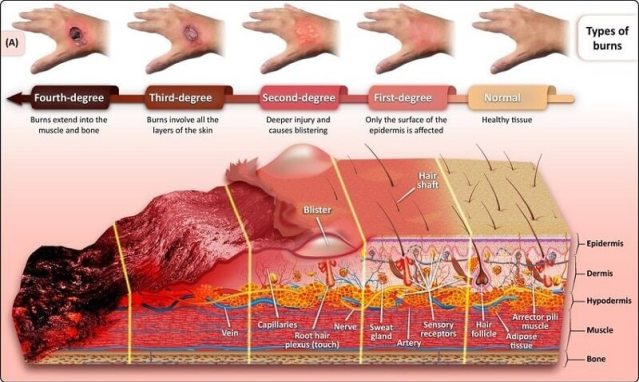
Common Causes of Burns in Fiction
Your setting and story’s world-building will dictate how burns happen here are some examples.
Fire or Flames: House fires, explosions, magic spells, dragon breath.
Scalding Liquids or Steam: Boiling water, molten metal, volcanic steam.
Electrical Burns: Lightning strikes, malfunctioning technology, energy weapons.
Chemical Burns: Acid attacks, industrial spills, alchemical accidents.
Friction Burns: Rope burns, high-speed crashes, skidding on rough terrain.
Radiation Burns: Sunburn, nuclear exposure, laser weapons.
Example: “The alchemist screamed as the bubbling potion splashed onto her wrist. The liquid ate through her sleeve, and the burning sensation intensified as her skin blistered beneath it.”
How Burns Affect the Body and Mind
Burns aren’t just painful—they’re debilitating, both physically and emotionally. Consider these effects in your writing.
Immediate Physical Reactions
Pain: Ranges from stinging (first-degree) to unbearable agony (second-degree) to eerie numbness (third-degree).
Shock: Severe burns can cause shock, leading to dizziness, confusion, or fainting.
Adrenaline: Characters may not initially feel pain due to adrenaline, but it will hit once the rush fades.
Example: “She barely noticed the fire’s bite at first, her mind focused on escaping. It wasn’t until she reached safety that the agony hit, making her gasp and clutch her seared skin.”
Long-Term Effects of Burns
Burns leave permanent reminders of trauma. Their consequences shape a character’s future physically and psychologically.
Scarring and Disfigurement: Severe burns cause thick, raised scars (keloids) or contractures that limit movement.
Chronic Pain and Sensitivity: Nerve damage can lead to either numbness or hypersensitivity in burned areas.
Psychological Trauma: PTSD from the injury (flashbacks, nightmares, fear of fire). Self-esteem issues from disfigurement.
Loss of Functionality: Stiffness, nerve damage, or amputations affecting mobility and dexterity.
Example: “His hands, once quick and steady, trembled as he struggled to grasp the pen. The scar tissue pulled against his knuckles, a cruel reminder that he’d never forge another blade again.”
Using Burns in Storytelling
Symbolism: A burn scar could serve as a reminder of past trauma, a mark of survival, or a curse from an enemy.
Challenges and Growth: A warrior with severe burns might struggle to wield a sword again, forcing them to adapt their fighting style.
Tension and Stakes: A character suffering a serious burn mid-mission may slow the group down, forcing difficult decisions.
Depicting Burns Across Genres
Burns are devastating injuries that can add drama, stakes, and lasting consequences to a story. However, how burns are received, described, and treated varies depending on the genre. Elements such as armor in fantasy or advanced medicine in science fiction will affect the realism and severity of burn injuries.
Contemporary
In a modern setting, burns are medical emergencies, and their portrayal should reflect real-world causes, treatments, and psychological effects.
Common Causes
House Fires: Accidental or arson-related.
Electrical Accidents: Exposed wires, lightning strikes.
Car Accidents and Explosions: Gasoline fires, airbag friction burns.
Chemical Exposure: Industrial spills, acid attacks.
Radiation Burns: Sunburns, workplace hazards, or medical treatment side effects.
Typical Treatments
First-Degree Burns: Cold compresses (but no ice, as it damages tissue). Aloe vera, over-the-counter creams, and pain relievers.
Second-Degree Burns: Cleaning the wound with sterile water. Applying antibiotic ointments (like Silver Sulfadiazine). Dressing the wound with non-stick bandages.
Third and Fourth-Degree Burns: Transplanting healthy skin to cover the wound. IV fluids and pain management to prevent dehydration and shock. Hyperbaric oxygen therapy speeds up healing and reduces tissue damage. Physical therapy to restore mobility in affected areas.
Challenges
Long Recovery Time: Severe burns require months or years of healing.
Psychological Trauma: Many burn survivors suffer from PTSD, depression, or body-image struggles.
Impact on Characters
Medical Response: Characters with serious burns will require hospitalization, skin grafts, and physical therapy.
Psychological Trauma: Fire-related PTSD or pyrophobia (fear of fire). Body image struggles from disfigurement and scarring.
Legal and Social Consequences: Arson-related burns might bring police investigations. Chemical burns could spark lawsuits or revenge plots.
Example: “The fire was out, but her world still burned. The skin on her arm felt too tight, too raw beneath the bandages. She traced the edge of the scar, wondering how long it would take before she stopped flinching at her own reflection.”
Historical
In historical fiction, burns are more dangerous due to rudimentary medical care, lack of hygiene, and limited understanding of infections. Burns that might be treatable today could be fatal in the past.
Common Causes
Cooking and Hearth Accidents: Open fires, boiling liquids.
Weaponry: Flaming arrows, Greek fire, gunpowder explosions.
Punishments: Branding, torture, or execution by fire.
Occupational Hazards: Blacksmithing, glassblowing, working in forges.
Ancient World Treatments
Honey: Used as an antiseptic to prevent infection and aid healing.
Milk, Vinegar, or Wine: Used as cooling agents to wash burns.
Animal Fats and Oils: Applied to burned skin, though this often trapped heat and worsened the injury.
Herbal Poultices: Aloe vera, myrrh, and resin-based salves provided some relief.
Religious or Superstitious Practices: Prayers, charms, or ritualistic cleansing were used in many cultures.
Medieval World Treatments
Cold Water and Herbal Pastes: Comfrey, chamomile, and lavender were used to soothe burns.
Goose Fat and Lard: Applied to burned skin, but often worsened infections.
Poultices with Honey and Egg Whites: Thought to reduce inflammation and aid healing.
Bloodletting and Humoral Theory: Some physicians believed burns were caused by an imbalance of humors and prescribed bloodletting.
Cauterization (For Severe Burns): Some burns were intentionally burned again with hot iron to prevent infection, though this often made things worse.
Challenges
Lack of Sterile Conditions: Treatments were performed with dirty hands and tools, increasing the risk of gangrene or tetanus.
Severe Burns Were Fatal: Without skin grafting or antibiotics, third-degree burns were often deadly.
Impact on Characters
Risk of Infection: Without antibiotics, burns could lead to sepsis or gangrene.
Superstitions: Superstitions about fire curses or divine punishment.
Social Stigma: Burned individuals might be seen as “touched by fire” or marked by the gods. A visible burn might impact marriageability or social standing.
Example: “The blacksmith’s apprentice hissed as the molten metal licked his wrist. The master barely spared him a glance. ‘Rub some lard on it, boy. It’ll heal soon enough.’ But the angry red mark told a different story—it would scar.”

Science Fiction
In sci-fi, burns might result from high-tech weaponry, energy fields, or alien environments, and treatment options may be far beyond modern medicine.
Common Causes
Laser and Plasma Weapons: Clean entry burns with cauterized wounds. Plasma burns might leave molecular scarring.
Radiation and Cosmic Burns: Space travel exposure leading to slow, cellular burns. Biohazard contamination causing genetic mutations.
Cybernetic Malfunctions: Overheating implants causing internal burns. Acidic nanotech failures corroding tissue.
Treatment
Regenerative Gels: Special biotech creams that instantly regrow skin cells. Medicated sprays that seal wounds and prevent infection.
Nanobot Therapy: Tiny robotic cells that reconstruct burned tissue at a molecular level. There may be a risk of the nanites malfunctioning, causing uncontrolled mutations.
Synthetic Skin Grafts: Lab-grown tissue that perfectly replaces burned skin. Biotech armor layers that integrate with the nervous system.
Cybernetic Replacements: Severe burns might lead to cybernetic limb replacements. A character’s synthetic skin could change color or texture over time.
Challenges
Is Regeneration Painful? Would regrowing skin feel like being burned again?
Side Effects? Does nanotech healing cause loss of sensation or genetic changes?
Availability? Are advanced treatments only for the rich, or is healing universal?
Tactical Considerations
Energy Shields: Prevent burns but might overload, causing internal damage.
Zero-Gravity Burns: Fire behaves differently in space, potentially causing oxygen-starved slow burns.
Example: “The laser grazed his shoulder, leaving a seared wound with clean, blackened edges. The med-bot injected regenerative nanites, but the process burned from the inside out, reshaping his flesh at a molecular level.”
In fantasy settings, burns might be caused by magic, alchemy, enchanted weapons, or mythical creatures, leading to unnatural healing processes or permanent magical effects.
Common Causes
Fire-Based Magic: Spellcasters wielding flames or pyromantic attacks.
Dragon Fire or Elemental Damage: Burns caused by creatures or curses.
Enchanted Weapons: Swords that leave scorch marks instead of cuts.
Alchemical Accidents: Potions gone wrong or magical explosions.
Holy or Cursed Fire: Divine punishment or unholy flames that never heal.
Treatments
Healing Magic: Instantaneous healing, but at a cost (e.g., exhaustion, memory loss, or magical scars). Healing spells that regrow tissue but leave magical side effects (e.g., glowing scars).
Alchemical Salves: Potions that soothe burns but must be applied before the wound turns necrotic. Rare herbs that neutralize magical burns but require difficult-to-obtain ingredients.
Holy Blessings or Curses: A priest’s touch might purge infection but leave permanent disfigurement as penance. Burns caused by divine fire might never heal naturally.
Challenges
Do Magic Burns Heal Differently? If a fire spell causes burns, can it be healed like normal burns, or does it require specific counter-magic?
Do Healing Spells Have Limits? Does healing require rare ingredients, a price, or time to work?
Permanent Consequences? Does regenerated skin feel different? Does magic prevent scarring, or do healed characters still bear marks of past injuries?
Impact on Characters
Armor Protection: Metal armor heats up and scalds the wearer if exposed to flames. Leather armor burns but offers slight protection. Magical barriers might negate fire but leave residual energy burns.
Magic’s Role in Healing
Instant Healing? Does a healer’s magic fully restore the skin, or does it leave scars?
Side Effects: Magical burns might cause painful visions, mutations, or permanent runes.
Legendary Scars: Fire-wielders might bear permanent scorch marks on their skin. A chosen one’s burn could be a divine mark.
Example: “The flames licked at her arm, but it was no ordinary fire. The spell had branded her flesh with glowing runes that pulsed under her skin. She knew, with a sinking dread, that no healer could undo what magic had wrought.”
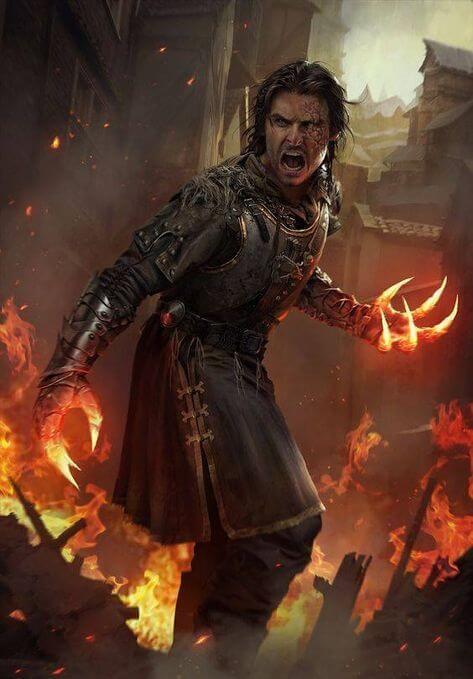
Plot and Character Ideas
Burns are more than just physical injuries—they can shape characters, drive plots, and create lasting consequences. In fantasy and science fiction, burns can take on magical, alien, or technological properties, adding unique complications to a character’s journey. Below are plot and character ideas centered around burns, with genre-specific twists for fantasy and sci-fi—especially for non-human characters with different physiologies.
The Fire-Touched Prodigy
Genre: Fantasy
Plot Idea: A young mage accidentally burns themselves while attempting to control fire magic. The burn does not heal naturally but instead begins to glow with latent power, marking them as a potential chosen one—or a cursed outcast.
Character Angle: The burn may unleash hidden magical potential but also cause unbearable pain. The character struggles to control their magic while hiding the mark from those who might seek to exploit it. Healing magic fails to repair the wound, forcing them on a quest to find an ancient cure.
Example: “The flames licked at her skin, but instead of searing pain, she felt something else—power. When the fire died, the burn on her palm pulsed with golden light, whispering secrets only she could hear.”
The Cybernetic Burn Survivor
Genre: Science Fiction
Plot Idea: A character suffers third-degree burns in a lab accident or battle and undergoes experimental treatment that replaces their burned skin with synthetic bio-tech armor. However, the graft begins to malfunction or evolve, changing their identity and sense of self.
Character Angle: They struggle to adjust to their new cybernetic enhancements, questioning if they are still fully human. The cybernetic skin may grant superhuman abilities (strength, sensory perception) but come with unintended side effects, such as pain or alien thoughts. They must track down the scientist who performed the experiment before the graft completely overrides their biological self.
Example: “The synthetic graft pulsed under his skin, responding to his emotions. He clenched his fist, watching as the burnt remnants of his former self shifted, his hand morphing into something stronger—and less human.”
The Phoenix’s Curse
Genre: Fantasy
Plot Idea: A warrior is burned to the brink of death in battle but is resurrected by a phoenix’s flames. While they survive, their wounds never stop simmering with heat, and every time they take damage, the burns flare back to life.
Character Angle: The character must constantly endure pain, knowing they can never fully heal. They seek a way to break the phoenix’s curse, even if it means dying permanently. Fire no longer harms them, but water scalds them like acid, making them vulnerable in unexpected ways.
Example: The first time the flames consumed him, she thought he was dying. The second time, she realized the fire was inside her now, waiting for its next chance to rise.”
The Alien Who Burns Differently
Genre: Science Fiction
Plot Idea: An alien character suffers burns but, due to their unique physiology, their wounds react differently—perhaps their scars crystallize, their skin regenerates with a new texture, or their burns emit light or sound.
Character Angle: The injury makes them stand out among their own species, making them an outcast. The burn mutates their DNA, giving them abilities or revealing ancient biological secrets. The character must understand the science of their injury before it spreads or kills them.
Example: “The plasma bolt grazed her shoulder, and instead of scarring, the wound hardened into a lattice of glowing blue crystal. ‘I don’t think this is healing,’ she whispered. ‘I think I’m changing.’”
The Alchemist’s Catastrophe
Genre: Fantasy
Plot Idea: A brilliant but reckless alchemist attempts to craft an elixir of fire resistance but miscalculates, resulting in an explosion that burns away half their body. The injury is no ordinary burn—it continues to smolder indefinitely.
Character Angle: The burn acts as a gateway to a fire realm, allowing them to tap into elemental power, but at great cost. Every time they use their newfound abilities, the burns spread and worsen, threatening to consume them. They must find a mythical ingredient to neutralize the reaction before their entire body turns to ash.
Example: “The fire didn’t stop burning. It smoldered beneath his skin, flickering along his veins like candlelight. He had created something unnatural, and now he would have to live with it.”
The Soldier with Synthetic Skin
Genre: Science Fiction
Plot Idea: A genetically enhanced soldier is burned in combat, and instead of traditional treatment, their military implants trigger rapid regeneration—but the new skin is translucent, bio-luminescent, or reactive to touch.
Character Angle: The soldier struggles with alienation, as their wounds mark them as inhuman among their peers. The burns may allow stealth abilities (chameleon-like blending) but cause extreme pain when activated. They discover the experiment was intentional, and they must decide whether to embrace or destroy the technology.
Example: “He touched his face, expecting to feel ruined flesh. Instead, his fingers met smooth, glass-like skin. It pulsed faintly, responding to his breath. Whatever they had done to him, he wasn’t just human anymore.”
The Flamebound Knight
Genre: Fantasy
Plot Idea: A warrior swears an oath to wield a sword forged in divine flame, but the blade brands their hands and arms with perpetual burns. The longer they use the weapon, the more the fire consumes them.
Character Angle: The knight is torn between duty and self-preservation—if they abandon the sword, their burns might heal, but at what cost? The burns give them supernatural strength, but using it shortens their lifespan. They search for a way to temper the flames, hoping to balance power and survival.
Example: “The sword’s hilt seared against her palm, yet she did not let go. Pain was the price of power, and as long as she could wield it, she would endure.”

The Healer Who Can’t Heal Themselves
Genre: Fantasy or Science Fiction
Plot Idea: A gifted medic or magical healer can cure others of burns effortlessly—but any injury they receive is permanent. When they suffer severe burns, they must rely on others to save them for the first time.
Character Angle: Used to healing others, they must confront their own vulnerability. Their burns act as a permanent reminder of their limitations. They must seek a cure beyond their own knowledge, forcing them into an unfamiliar world of science or magic.
Example: “She had saved thousands, yet no magic could mend her own wounds. The fire had stolen her hands, and now, she could heal no one.”
Burn injuries in fiction add emotional weight, physical struggle, and long-term challenges. By understanding their degrees, symptoms, treatments, and psychological impact, you can write burns realistically and powerfully. Whether your character wields fire, survives an explosion, or suffers a magical curse, burns can leave scars—both visible and unseen—that shape their journey.
I hope this was helpful. Let me know if you have questions or suggestions by using the Contact Me form on my website or by writing a comment. I post every Friday and would be grateful if you would share my content.
If you want my blog delivered straight to your inbox every month along with exclusive content and giveaways, please sign up for my email list here.
Let’s get writing!
Copyright © 2025 Rebecca Shedd. All rights reserved.
The Writer’s Guide to Bruises
Posted on April 25, 2025 1 Comment

Bruises, also known as contusions, may seem like minor injuries compared to fractures or puncture wounds, but they can add realism and depth to your storytelling. Whether they’re caused by a fall, a punch, or a supernatural event, bruises can serve as visible reminders of a character’s struggles. Writing them realistically involves understanding their types, symptoms, severity, appearance, and recovery process, as well as potential long-term effects.
In this article we will discuss portraying bruises authentically, from the science behind their formation to their role in character development.
What Are Bruises and Contusions?
A bruise or contusion occurs when small blood vessels (capillaries) under the skin are damaged due to blunt trauma, causing blood to leak into the surrounding tissues.
Types of Bruises
Subcutaneous Bruises: Just beneath the skin. Commonly caused by minor bumps or impacts.
Intramuscular Bruises: Deeper bruises affecting the muscle tissue. Caused by harder impacts or repetitive strain.
Periosteal Bruises: Involve the bone surface (bone bruise). Extremely painful and often result from severe impacts like falls or direct blows.
Choose the type of bruise based on the severity of the event in your story. A simple stumble might cause a subcutaneous bruise, while a sword blow could lead to a periosteal bruise.
Symptoms of Bruises
The symptoms of a bruise depend on its depth and severity. Use these details to show your character’s discomfort and limitations.
Pain: Mild for subcutaneous bruises, sharp or throbbing for deeper contusions.
Swelling: Caused by inflammation around the injured area.
Skin Discoloration: The hallmark of a bruise, starting red or purple and changing colors over time.
Stiffness and Limited Mobility: Common with muscle or bone bruises, especially near joints.
Example: “Her arm throbbed where the bandit’s club had struck, the skin already turning an angry purple. She flexed her fingers gingerly, wincing at the stiffness creeping into her shoulder.”

Severity Levels
Not all bruises are created equal. Use the severity of the bruise to influence how much it affects your character.
Mild Bruise (Grade 1)
Symptoms: Minor pain, small and localized discoloration.
Impact: Little to no effect on mobility.
Recovery Time: A few days.
Moderate Bruise (Grade 2)
Symptoms: Significant pain, noticeable swelling, and larger discoloration.
Impact: Reduced mobility or discomfort during movement.
Recovery Time: 1–2 weeks.
Severe Bruise (Grade 3)
Symptoms: Intense pain, extensive discoloration, significant swelling, and possible complications like compartment syndrome (dangerous pressure buildup in tissues).
Impact: Difficulty using the affected area, possible need for medical intervention.
Recovery Time: Several weeks to months.
The Appearance of Bruises Over Time
Bruises change color as the body breaks down and reabsorbs the blood trapped under the skin. Including these stages can help ground your narrative in reality.
Red/Pink (Immediately): Caused by fresh blood pooling under the skin.
Blue/Purple (1–2 Days): As oxygen is depleted from the blood, the bruise darkens.
Green (5–7 Days): The body begins breaking down hemoglobin, causing a greenish tint.
Yellow/Brown (7–10 Days): The final stage of healing as the body reabsorbs the blood.
Use the changing appearance of a bruise to indicate the passage of time in your story.
Example: “The bruise on his forearm had faded to a sickly yellow, but the memory of the brawl still lingered. Every flex of his wrist brought a dull ache, a reminder of how close he’d come to losing the fight.”
Long-Term Effects of Severe Bruises
While most bruises heal without issue, severe contusions can have lasting consequences.
Chronic Pain or Stiffness: Deep muscle bruises may lead to ongoing discomfort, especially in overused areas.
Permanent Discoloration: Particularly large or deep bruises may leave faint discoloration or scar-like marks.
Psychological Impact: Bruises from traumatic events (e.g., abuse or combat) might serve as emotional reminders of the incident.
Example: “The bruise on her thigh had long since faded, but every time she saw the faint outline of a scar, she remembered the ambush and the fear that came with it.”
Using Bruises to Drive Plot and Character Development
Bruises can serve more than just a visual reminder of an injury—they can shape your character’s arc or influence the plot.
Physical Limitations: A bruised limb might slow your character’s progress or prevent them from performing certain tasks, creating tension.
Emotional Symbolism: Bruises can reflect a character’s resilience or highlight vulnerability, adding depth to their emotional state.
Conflict: A visible bruise might draw unwanted attention, creating questions or suspicions among other characters.
Example: “The bruise on her jaw was impossible to hide. As the council stared at her in silence, she could feel their questions hanging heavy in the air. She had survived—but at what cost?”

Depicting Bruises Across Genres
The way bruises are portrayed in fiction varies widely based on the genre. Factors such as the setting, technology, medical knowledge, or fantastical elements influence how characters receive, describe, and treat these injuries. Below, I’ll explore how depictions of bruises differ in contemporary, historical, fantasy, and science fiction genres, focusing on how genre-specific elements like armor or advanced medicine shape the narrative.
Contemporary
In contemporary settings, bruises are grounded in realism. They’re often caused by everyday events like falls, accidents, or altercations and treated with modern first aid or medical care.
Causes
Sports injuries, domestic abuse, car accidents, fistfights, or workplace mishaps.
Treatment
The RICE Method: Rest (avoid activities that stress the bruised area), ice (apply ice packs for 15–20 minutes every few hours to reduce swelling), compression (use elastic bandages to minimize swelling and provide support) and elevation (eep the bruised area elevated to reduce blood pooling).
Pain Relief: Over-the-counter medications like ibuprofen or acetaminophen are used for pain and inflammation.
Physical Therapy (For Severe Bruises): Rehabilitation exercises may be prescribed to restore mobility and strength after deep muscle bruises.
Description
Writers can focus on the visual progression of a bruise, the pain associated with movement, or how it draws attention in social settings.
Narrative Impact
Visible Symbolism: A black eye might serve as a visible reminder of a fight, leading to questions or assumptions from others.
Emotional Weight: Bruises may highlight vulnerability in abuse survivors or evoke empathy for a struggling character.
Physical Challenges: Deep bruises (e.g., on ribs or legs) could slow down a protagonist, creating tension in action-oriented plots.
Example: “The bruise on her forearm was an ugly mottling of purple and yellow, a stark reminder of her collision with the pavement. She winced every time she moved, clutching the coffee cup with her good hand.”
Historical
In historical fiction, bruises often reflect the physicality of the time period—manual labor, harsh punishments, or violent encounters. The limited medical knowledge of the era also shapes how these injuries are perceived and treated.
Causes
Physical labor, harsh discipline (e.g., lashings), battles with blunt weapons, or accidents involving primitive tools.
Treatment in the Ancient World
Herbal Poultices: Crushed herbs like comfrey (known as “knitbone”) and arnica were applied to reduce swelling and pain.
Cold Compresses: River stones or cloths soaked in cold water were used to reduce inflammation.
Massage and Oils: Gently massaging the area with olive oil or mustard oil to stimulate circulation and relieve stiffness.
Rituals and Superstition: Healing rituals, charms, or prayers were often used alongside physical treatments, reflecting spiritual beliefs.
Challenges: Limited understanding of internal injuries meant deeper bruises could lead to complications like blood clots or infections without proper care.
Treatment in the Medieval World
Herbal Remedies: Poultices made from arnica, chamomile, or sage were applied to bruises to reduce pain and swelling.
Warm Compresses: Heated cloths or herbal infusions were used to improve circulation and soothe aching muscles.
Bloodletting (Rarely for Bruises): Though not a common treatment for bruises, bloodletting was occasionally used if the injury was believed to disrupt the balance of humors.
Bone Setting (For Severe Bruises): Bruises near joints or bones were sometimes treated by barbers or surgeons who specialized in bone injuries.
Challenges: Poor sanitation and reliance on superstition often led to infections or mismanagement of injuries, especially for severe contusions.
Narrative Impact
Symbol of Hardship: A laborer might bear constant bruises as a sign of their grueling work.
Indication of Class or Status: Bruises could signify mistreatment, poverty, or hard labor, creating social tension.
Tension from Ineffective Medicine: Without modern tools, even minor bruises could lead to complications, adding stakes to the story.
Example: “My brother took in the sight of my bruised face in the lantern light. “What happened?” he sighed. “Never mind, I do not wish to know. But I suggest you cease your brawling and keep this from Father.”

Fantasy
In fantasy, bruises are shaped by the fantastical elements of the world. They may result from magical battles, blunt weapons, or encounters with mythical creatures. Armor, healing spells, and the nature of magic itself can also influence how bruises are described and treated.
Causes
Blunt trauma from maces, clubs, or fists. Magical attacks that cause internal damage without breaking the skin. Non-human opponents like trolls or dragons inflicting bruises with their sheer strength.
Treatment
Magical Healing: Spells or potions may instantly heal bruises, though they might come with side effects (e.g., draining the caster’s energy, leaving scars, or triggering magical aftereffects).
Enchanted Poultices: Herbs could have mystical properties that speed up healing when combined with incantations.
Healing Rituals: Priests or shamans might perform rituals invoking deities or spirits to heal bruises, often adding a dramatic flair to the recovery process.
Alchemical Treatments: Alchemists might create salves or tonics from rare ingredients to accelerate recovery and reduce pain.
Challenges: Limited access to magical resources or a healer might create tension, forcing characters to rely on slower, mundane methods.
Narrative Impact
Armor’s Role: Armor might prevent fatal wounds but leave characters bruised from the force of impacts. A knight might survive a blow to the chest plate but be left with a deep bruise that limits their movement.
Magical Complexity: A bruise caused by a cursed weapon or a magic spell might resist normal healing, creating a plot-driving dilemma.
Example: “Though the ogre’s club hadn’t broken her bones, the impact against her breastplate left her ribs aching and her chest mottled with dark bruises. She sipped the bitter tea the healer had brewed, hoping it would ease the stiffness before morning.”
Science Fiction
In science fiction, bruises often result from futuristic technologies, alien environments, or enhanced combat scenarios. Advanced medicine and technology significantly influence how these injuries are portrayed and treated.
Causes
Kinetic impacts from blunt weapons, exosuit malfunctions, or alien encounters.
Environmental factors, such as low-gravity falls or pressure injuries.
Experimental technology (e.g., force fields failing) causing internal contusions.
Treatment
Regenerative Gels: Applied to bruised areas, these gels repair blood vessels, reduce swelling, and heal tissue within minutes.
Nanobot Therapy: Tiny robots are injected into the bloodstream, targeting damaged capillaries and muscle tissue to accelerate recovery.
Healing Pods: Characters can lie in full-body pods that repair injuries at a cellular level using lasers, cryotherapy, or other advanced methods.
Exoskeletons or Biotech Augments: For characters with biomechanical enhancements, the injury might be repaired by the augment itself or integrated medical systems.
Challenges: Over-reliance on technology might create dilemmas if equipment malfunctions or alien infections complicate healing.
Narrative Impact
Combat and Protection: Characters might wear advanced armor or exoskeletons that prevent penetration wounds but amplify bruises due to kinetic force.
Alien Physiology: Non-human characters might experience bruises differently, such as bruises that change color to signal healing or injuries that glow due to unique biochemistry.
Example: “The impact of the alien’s strike sent her sprawling, the kinetic energy bypassing her suit’s shielding. By the time she staggered to her feet, a deep purple bruise was already blooming across her ribs, the nanobots in her bloodstream working overtime to dull the pain.”
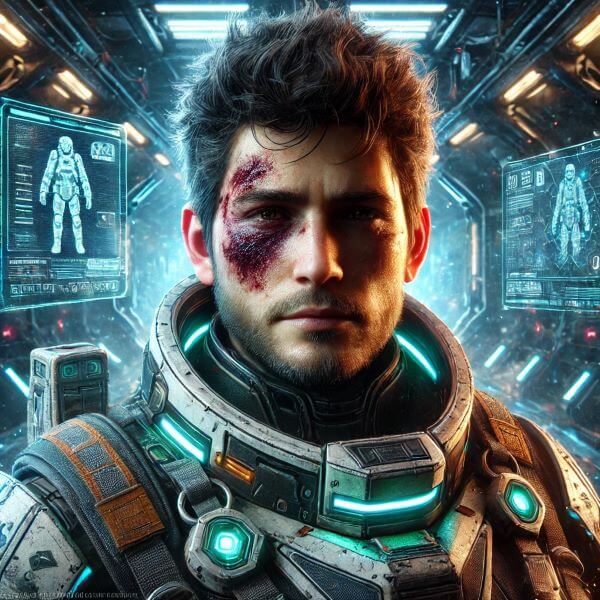
Plot and Character Ideas
Bruises and contusions may seem like minor injuries, but they can play a significant role in storytelling. In science fiction and fantasy, where non-human physiologies or advanced technologies come into play, bruises can take on unique forms and meanings. Below are plot and character ideas centered on bruises and contusions, with specific examples for speculative genres.
The Slow Reveal of a Secret Battle
Genre: Any (especially Fantasy or Science Fiction)
Plot Idea: A character hides bruises that hint at secret struggles, whether from battles, training, or abuse. Over time, the injuries raise questions that unravel a deeper plot.
Character Angle: The character’s reluctance to discuss their bruises reflects their internal conflict—pride, shame, or fear. Their physical pain mirrors emotional or psychological scars.
Fantasy Twist: The bruises glow faintly, hinting at magical corruption from an enchanted opponent. The character struggles to keep their condition hidden as it worsens.
Sci-Fi Twist: The bruises are caused by an alien parasite or malfunctioning implants, and the character races to find a cure before their condition becomes fatal.
Example: “The dark marks on his arms weren’t from sparring, though that’s what he told the others. Beneath his cloak, the bruises shimmered faintly, spreading further each day. Whatever magic had struck him, it wasn’t done yet.”
The Healer’s Challenge
Genre: Fantasy
Plot Idea: A healer is confronted with a patient whose bruises resist all traditional and magical treatments. The source of the injury reveals a deeper magical curse or secret enemy.
Character Angle: The healer must confront their self-doubt as they struggle to cure the patient while uncovering the mystery of the unhealing bruises.
Fantasy Twist: The bruises are caused by cursed armor or a weapon enchanted to harm over time. The healer must craft a counter-spell using forbidden techniques.
Example: “No matter how many salves she applied, the bruises darkened, as if feeding on the patient’s life. The only clue lay in the sword that caused them—a blade etched with runes she’d never seen before.”
The Alien Symptom
Genre: Science Fiction
Plot Idea: A non-human character’s bruises appear differently from those of their human companions, offering clues to their physiology and the limits of their durability. The unique injury becomes critical to solving a larger problem.
Character Angle: The character’s injury forces them to rely on others, creating tension or strengthening bonds. The injury also sparks revelations about their culture or biology.
Sci-Fi Twist: The alien’s bruises glow, expand, or emit sound as their body attempts to heal, causing confusion and potential danger to the rest of the team.
Example: “The bruises spread in geometric patterns across her iridescent skin. When they began to hum faintly, the crew’s medic stepped back nervously. ‘Is that normal for your species?’ he asked. Her silence was not reassuring.”
The Warrior’s Legacy
Genre: Fantasy
Plot Idea: A character’s bruises from a recent battle become symbols of their resilience and determination. However, as the injuries worsen, they begin to question whether their pride is worth the pain.
Character Angle: The warrior struggles with balancing their reputation for strength with the reality of their injuries. They must decide whether to rest and recover or push through the pain, risking further damage.
Fantasy Twist: The bruises form patterns that resemble runes or prophecies, hinting at the character’s larger destiny.
Example: “He refused to remove his armor, hiding the deep bruises along his ribs. Each step sent a jolt of pain through his chest, but he kept walking. His people needed a strong leader, not a wounded one.”
The Unusual Side Effect
Genre: Science Fiction
Plot Idea: A character suffers bruises from using experimental technology or alien artifacts, but the injuries come with bizarre side effects like enhanced abilities, hallucinations, or a telepathic connection to the artifact.
Character Angle: The character must weigh the benefits of their new abilities against the growing physical toll on their body.
Example: “The bruises spread like ink beneath his skin, pulsing faintly with each beat of his heart. He could feel something shifting in his mind—new thoughts, alien and unfamiliar, whispering secrets he couldn’t ignore.”
The Accidental Message
Genre: Fantasy
Plot Idea: A character’s bruises form unusual patterns that resemble ancient symbols or a map. The injuries suggest they are part of a larger prophecy or divine plan.
Character Angle: The character is torn between disbelief and destiny, unsure whether to follow the path suggested by their injuries.
Fantasy Twist: The bruises were caused by a magical beast or relic, and they shift or fade as the character approaches certain locations.
Example: “The bruises on her arms formed jagged lines, too precise to be random. As the moonlight struck her skin, they glowed faintly, and she realized they outlined the mountain range she’d seen in her dreams.”
The Gravity of War
Genre: Fantasy or Science Fiction
Plot Idea: After a brutal battle, a character is covered in bruises, symbolizing the physical toll of war. Their recovery process serves as a backdrop for exploring themes of resilience, camaraderie, and the consequences of violence.
Character Angle: The character’s bruises become a visible reminder of their vulnerability, leading them to reconsider their role in the conflict or how they perceive their comrades.
Fantasy Twist: A fellow soldier uses magic to share the burden of pain, creating a bond between the two.
Sci-Fi Twist: The character’s bruises reveal weaknesses in their exosuit or armor, prompting a mission to upgrade their gear.
Example: “Each bruise was a memory—a blow narrowly avoided, a fall that could have ended him. He traced a hand over his ribs, wincing at the deep purple marks. The war was over, but the echoes of it lingered.”
The Heirloom Weapon’s Curse
Genre: Fantasy
Plot Idea: A magical weapon leaves bruises on its wielder, feeding on their vitality each time it’s used. The character must decide whether the weapon’s power is worth the cost.
Character Angle: The character’s growing collection of bruises serves as a physical manifestation of their moral struggle—are they willing to sacrifice themselves for the cause?
Example: “The bruises wrapped around his arms like shackles, darkening with every swing of the sword. He could feel the weapon drawing from him, but without it, they had no hope of victory.”
The Cultural Difference
Genre: Science Fiction or Fantasy
Plot Idea: In a multi-species or multi-culture setting, the appearance or treatment of bruises becomes a point of misunderstanding or conflict between characters.
Character Angle: The character must navigate cultural differences, balancing their own beliefs with the expectations of others.
Example: “The alien stared at her mottled skin, their bioluminescent face shifting colors in confusion. ‘You call this healing?’ they asked. ‘In my world, such marks are signs of decay.’”
The Hidden Strength
Genre: Fantasy or Science Fiction
Plot Idea: A character’s bruises, far from being a sign of weakness, are revealed to grant them strength, endurance, or magical abilities. The darker the bruises, the stronger they become, but the cost to their body grows over time.
Character Angle: The character must decide whether to embrace the power and risk permanent damage or find an alternative way to achieve their goals.
Example: “The bruises on her knuckles deepened, turning almost black as her strength surged. Each blow carried more force, but with it came a warning: her body could only take so much.”

I hope this was helpful. Let me know if you have questions or suggestions by using the Contact Me form on my website or by writing a comment. I post every Friday and would be grateful if you would share my content.
If you want my blog delivered straight to your inbox every month along with exclusive content and giveaways, please sign up for my email list here.
Let’s get writing!
Copyright © 2025 Rebecca Shedd. All rights reserved.
 Rebecca Shedd - Author