
World-building Case Study Example
Posted on January 17, 2025 Leave a Comment
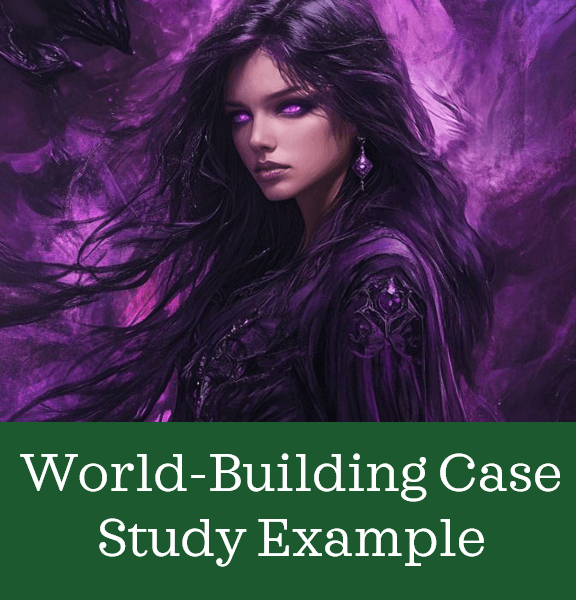

Creating a captivating fantasy world requires not only vivid imagination, but also a structured approach to bring the world and its inhabitants to life. In this article, I’ll walk through every element of world building, following the journey of Zarina, a young woman with a rare gift for manipulating an extraordinary form of magic. I will explore how everything—from landscape and social structures to language and belief systems—shapes and is shaped by her story as I construct Zarina’s world layer by layer.
Meet Zarina
Zarina is a prodigy in the magical arts, but unlike most practitioners who rely on earth, water, air, or fire, Zarina has tapped into the fifth and rarest element: void. This elusive force exists beyond the tangible and visible world, capable of consuming, creating, and bending reality in ways other magic cannot. Let’s start with the setting and gradually construct a world around her that feels vibrant.
Geography & Topography
Zarina’s journey begins in a rugged, yet beautiful land known as the Veiled Highlands. This region, at the edge of the continent’s vast central plains, boasts a diverse landscape marked by steep, mist-covered mountains, plunging valleys, and deep forests threaded with hidden rivers and waterfalls. The terrain is unforgiving yet abundant with life, shaped over centuries by ancient tectonic forces and the subtle influence of elemental magic embedded in the land itself.
The Mist Peaks are towering mountains that loom over the region, their summits often lost to clouds and mist. They house narrow, winding paths that are believed to be sources of magical energy and are used only by the most experienced travelers. Legends say the peaks themselves breathe, inhaling the world’s excess energy and exhaling something that pulls at the minds of those sensitive to magic.
The Luminous Forests are dense, ancient woodlands that stretch across the lower elevations, where the trees are so tall and thick that sunlight only barely filters through. These forests hold bioluminescent flora that glow faintly at night, illuminating paths to hidden springs and forgotten temples. It’s whispered that some of these plants hold traces of void energy, perhaps the very reason Zarina first connected to the element.
The Rifted Valley is a striking scar in the landscape that runs along the Veiled Highlands’ eastern edge. A violent, magical upheaval centuries ago formed this chasm, filled with labyrinthine caves, leaving the valley charged with residual elemental power. The valley’s rivers carve deep into the rock, forming an underworld where secluded groves and pools are rumored to amplify magical abilities.
Descending from the mountains into the plains, the Silver Steppes are an open, wind-swept grasslands dotted with rocky outcrops and rare, medicinal herbs. Fog often covers the steppes, glistening in the sunlight and giving the region its name. Here, nomadic tribes dwell, practicing ancient rituals and guarding secrets of the land’s magic.
Climate and Weather Patterns
The Veiled Highlands experience all four seasons, but each manifest uniquely because of the presence of elemental magic that infuses the landscape. These subtle magical energies contribute to weather patterns that can shift unexpectedly, creating a climate both beautiful and volatile.
Spring is characterized by heavy, early-morning mists that rise from the valleys and forests, lingering until midday. These mists hold a faint, almost tangible energy, believed to resonate with those sensitive to magic. The days are cool, with temperatures climbing steadily as the season progresses. Gentle rains begin in mid-spring, nurturing the region’s rich flora. Spring thunderstorms, though rare, are powerful, often accompanied by strange, atmospheric lights that locals attribute to elemental forces.
Summers are warm but rarely oppressive, thanks to the high elevation. Afternoon rain showers are frequent, providing temporary relief from the sun and lending an ethereal glow to the Mist Peaks as steam rises off the mountain surfaces. During summer nights, the air remains cool, with occasional violent thunderstorms sweeping through. These storms carry a high charge and often produce flashes of color in the clouds. Summer is both a time of abundance and caution, as the storms amplify the local magic, making Zarina’s connection to the void more intense and unpredictable.
Autumn brings shorter days, cooler temperatures, and intense, gusty winds. The winds carry with them a faint whispering sound, amplified by the valleys and cliffs, creating a haunting atmosphere in the highlands. Fog and mist return, blanketing the mountains and forests, but the colors of autumn leaves provide brilliant contrast, filling the landscape with gold, red, and orange hues. This season is a mystical time, and people say it marks a period when the veil between worlds is thin. Those who practice magic find their abilities heightened.
Winters in the Veiled Highlands are crisp, with snowfall blanketing the Mist Peaks and Silver Steppes, turning the region into a realm of quiet beauty. Snowfall can be heavy in the highlands, particularly in January and February, while the lower elevations receive light dustings that disappear quickly under the weak winter sun. The forests become hushed and almost timeless. Void-sensitive creatures emerge in winter, drawn to the quiet.
The Celestial Drift
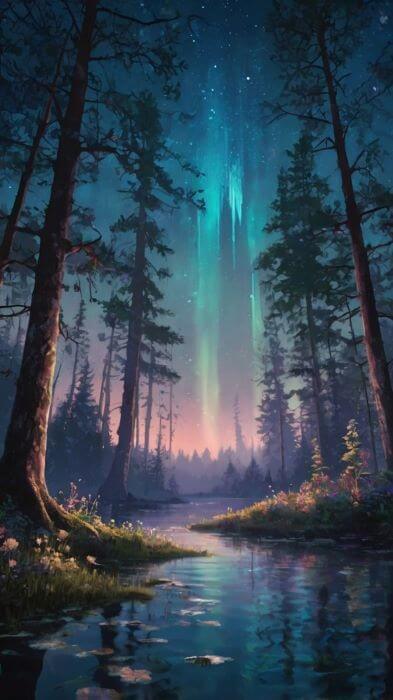
In the Veiled Highlands, the Celestial Drift is a unique and mystical weather phenomenon. Occurring irregularly—sometimes only once every few years — wisps of light, silver, violet, and faintly blue, coalesce above the Mist Peaks and gradually drift downward, filling the valleys and forests with a soft, luminous glow. The lights seem to have substance, moving through the air like glowing mist. They occasionally form shapes or patterns that locals interpret as omens or messages from ancient spirits.
The region’s void energy is connected to the Celestial Drift. Those who are sensitive to magic, like Zarina, experience the Drift on a heightened level. They might hear faint melodies or whispers within the lights. Some practitioners believe that if one stands in the Drift’s light long enough, they might receive visions of the past or glimpses of the future, though these visions are often cryptic and difficult to interpret. This rare weather pattern has become legendary, drawing travelers, sages, and magic users who hope to witness the Celestial Drift and uncover the secrets it holds.
Flora & Fauna
The Veiled Highlands teem with a unique array of plant and animal life, much of which has adapted to the magical energies permeating the land.
Flora
Nightshade Blooms – Found primarily in the dense shadows of the Luminous Forests, these violet-black flowers emit a faint glow at twilight, illuminating the forest floor with a soft, eerie light. While beautiful, they are dangerous—brushing against their petals induces mild hallucinations, often causing individuals to see ethereal shapes or feel as if they are drifting between worlds.
Void Moss – Growing along the shaded crevices of the Rifted Valley and occasionally on the higher cliffs, void moss is an inky-black plant that feeds on the ambient magical energy in its environment. People say that void moss enhances the potency of certain magical rituals and alchemists seek it out.
Embergrass – Found in patches along the Silver Steppes, embergrass is a deep red plant that releases tiny sparks when rustled. People have used the grass in traditional fire rituals for centuries, as it is highly flammable and believed to enhance the power of fire-based spells.
Mistbell Trees – Tall, ancient trees with silver-gray bark and translucent leaves that produce a haunting melody when wind moves through them. Legends say the trees hold the memories of the land, and some magic users like Zarina meditate beneath their branches to seek guidance from these whispers of history.
Fauna
Silver Ravens – These intelligent birds have silvery-gray feathers that gleam faintly in the light and are often regarded as omens and messengers of the spirit world. Void-sensitive individuals attract them, and some believe that silver ravens guide them on mystical paths.
Glowfoxes – With fur that shimmers in shades of blue and green, glowfoxes are elusive nocturnal creatures found in the Luminous Forests. They have keen senses and a curious nature, often approaching travelers quietly at night. Glowfoxes possess a faint, magical glow that allows them to move undetected, blending with the bioluminescent flora of their habitat.
Eldergroves – Enormous tree-like creatures that appear stationary but can slowly move their roots over time, eldergroves are ancient beings covered in moss and lichen. They rarely move, but when they do, they shift toward the Mist Peaks, where people believe they draw energy from the mountains. These lumbering giants are deeply connected to the earth element and are revered by the nomadic tribes.
Rift Serpents – The Rifted Valley is home to these slender, almost translucent serpents with scales that reflect an opalescent sheen. Rift serpents are shy, hiding in deep crevices and hunting small creatures at dawn and dusk. Their venom has mild hallucinogenic properties, making them a sought-after species for those who dabble in divination, though they are fiercely protected by the local tribes.

History and Lore
The Veiled Highlands has a long and storied history, steeped in myths and legends that date back to ancient times. Both natural forces and the mysterious presence of magic have shaped this region, nestled on the edge of the known world.
According to ancient lore, the Veiled Highlands were once part of an unbroken mountain range known as the Spirelands, home to a civilization of seers and mystics who had mastered the elements. This civilization, called the Orathen, flourished because of its deep connection to magic, which was viewed as both a blessing and a responsibility. They revered the elements as sacred beings and built temples and altars throughout the mountains to honor the forces of earth, water, fire, air, and void.
The Orathen were among the few who fully understood void magic, calling it “the Breath of Silence.” They believed that void magic was the essence of all existence, the space between stars, breaths, and thoughts. They guarded this knowledge closely, fearing the consequences of void power falling into untrained or reckless hands.
However, a great calamity struck—one referred to as “The Shattering.” Records differ on the cause, but most accounts speak of a ritual gone wrong. Many of the Orathen vanished, their temples left abandoned, and their legacy shrouded in mystery.
After the Shattering, the Veiled Highlands became a land of superstition and isolation. Nomadic tribes moved in, forming small, transient communities in the valleys and forests. They considered the region haunted, filled with lingering spirits and remnants of the Orathen’s power. The tribes, known collectively as the Wayfarers, adapted to the land’s magical oddities and came to respect its dangers. They developed rituals to honor the elements, believing that keeping the ancient magic appeased would protect them from harm.
Centuries later, a group of scholars, mystics, and elemental magic practitioners formed a secret society called the Order of the Silent Veil, dedicated to studying the remnants of the Orathen and the strange effects left behind by the Shattering. They sought to unravel the mysteries of the void and to guard against its misuse, preserving artifacts, texts, and relics from the ancient temples.
One of the most prominent pieces of lore in the highlands is the Prophecy of the Final Rift, a chilling vision of a time when void magic will surge again, creating a new rift. This event will either spell the rebirth of the Veiled Highlands or its destruction.
Today, the Veiled Highlands are a mystical place of pilgrimage. The Wayfarer tribes still roam, honoring their ancestral rites and watching over the ruins left by the Orathen. The tribes hold festivals to mark the shifting seasons and pay homage to the elements. Local superstition holds that those who disrespect the highlands’ magic may be “taken by the mist,” never to be seen again.
The Shattering: A Cataclysm of Magic
The Shattering remains one of the most significant—and mysterious—events in the history of the Veiled Highlands. A calamitous rupture in the flow of magic itself, it reshaped the land, shattered an ancient civilization, and created a legacy of both awe and caution that persists to this day.
A group of elite Orathen scholars and seers experimented with rituals that would allow them to access deeper dimensions of reality. The highest-ranking members of their order, who called themselves the “Keepers of the Rift,” kept this pursuit secret.
According to legend, the Keepers of the Rift eventually devised a powerful ritual known as the “Invocation of the Celestial Silence.” This rite required the alignment of several unique cosmic phenomena: a specific constellation, a rare lunar phase, and the convergence of elemental ley lines beneath the Mist Peaks.
What happened next is uncertain, but records tell of an intense surge of magical energy unleashed as the ritual began. Witnesses described the sky splitting open and a blinding flash of white-violet light that filled the heavens, seen for miles. The invocation tore through the fabric of the world, creating a powerful energy storm that raged across the highlands, reshaping the land and carving out the massive chasm now known as the Rifted Valley.
The rupture in magic disrupted the delicate balance of the elemental forces, sending shockwaves through the earth and causing fissures and landslides across the region. The Mist Peaks trembled, and several mountains split, filling the land with rivers of molten rock and reconfiguring the ley lines that had once flowed in harmony. This elemental upheaval left behind a deep scar, marking the land with the resonant void energy that exists to this day.
The Shattering did more than alter the landscape: it marked the fall of the Orathen. The violent maelstrom of energy swept away many people, while others vanished without a trace. Survivors spoke of people simply “fading” from view, as if the veil between worlds had thinned so drastically that they were pulled in. They abandoned the temples, cities, and sanctuaries they had constructed, leaving them scattered across the Highlands.
Scholars speculate that the void magic released in the Shattering partially consumed the Orathen, absorbing them into the very essence of the void. This has given rise to many legends about “echoes” of the Orathen appearing in places where void magic is strong, with travelers occasionally reporting fleeting visions of ghostly figures or hearing faint whispers when the Celestial Drift appears.

Races and Species
The Veiled Highlands is home to a diverse array of sentient races and creatures. Each race has adapted to the land in unique ways, developing customs, traditions, and physical attributes that resonate with the magic-infused environment.
The Wayfarers (Human Nomadic Tribes)
The Wayfarers are a loose collective of human tribes who roam the highlands and surrounding plains, preserving an ancient way of life deeply connected to nature and magic. They believe themselves to be descendants of the Orathen, though they do not know of void magic. Instead, the Wayfarers honor the spirits of the land and protect the ancient sites. Wayfarers have a range of physical features because of the intermingling of tribes over generations. They are typically sturdy and well-adapted to the rugged terrain. The Wayfarers value community and unity, seeing each member’s well-being as tied to the land. They highly respect elders and councils that represent each tribe, giving equal weight to the voice of the land (as interpreted by shamans) and the people’s will.
The Liran (Woodland Dwellers)
The Liran are a mystical, forest-dwelling race of humanoids who live in the Luminous Forests. Reclusive and rare, they are often mistaken for spirits because of their mysterious nature and deep connection to the bioluminescent flora that fills their habitat.
The Liran have lithe, slender bodies with skin that shimmers faintly in shades of green or blue, blending seamlessly with the bioluminescent plants around them.
The Fellborn (Mountain Kin)
The Fellborn are a race of resilient, mountain-dwelling beings who inhabit the higher elevations of the Mist Peaks. Said to have evolved from a fusion of elemental energies, the Fellborn possess a deep connection to stone and metal, traits that aid their survival in the unforgiving highlands. They are stocky and robust, with skin that ranges from slate-gray to deep brown, often with a slight metallic sheen.
The Dae’shen (Spiritual Mystics)
The Dae’shen, a mysterious, semi-corporeal race believed to be direct descendants of the Orathen, have origins that are unknown. They dwell within the Rifted Valley and the Mist Peaks, where they guard hidden shrines and temples left by their ancestors. Their semi-corporeal nature suggests a unique affinity with the void. They appear as tall, ethereal figures with translucent skin that faintly glows in shades of purple and silver, often described as “half in this world, half in the next.”
The Draksh (Shadowborn Predators)
The Draksh are formidable, beast-like creatures that stalk the darkest parts of the Rifted Valley and the forests along its edge. They are semi-intelligent and possess a strong connection to void energy, which has altered their appearance and behavior. Though rarely seen, all inhabitants of the Veiled Highlands fear their presence. They are tall, quadrupedal creatures with elongated, sleek bodies covered in shadowy scales that absorb light.
The Durnak (River Keepers)
The Durnak are amphibious beings who live along the rivers and subterranean lakes of the highlands, especially within the Rifted Valley. They have a deep connection to water magic and frequently position themselves near ancient Orathen structures submerged by the floods from the Shattering.
Languages
The region’s landscapes and magical energies have shaped the varied languages spoken. Each race and community has developed its own means of communication, shaped by their unique interactions with the land, magic, and each other. Some languages people speak, while others heavily depend on gestures, sounds, and even magical resonance to convey meaning.
Old Orathic (The Language of the Ancients)
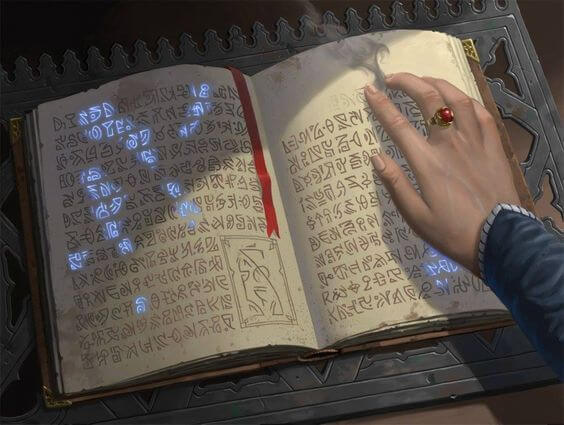
The oldest and rarest language in the Veiled Highlands, Old Orathic, was once the primary language of the Orathen civilization. It has mostly fallen out of use since the Shattering, but remnants of Old Orathic persist in ancient texts, carvings, and magical spells. The Order of the Silent Veil has worked to preserve and decipher it, considering it a sacred link to the past.
Wayfarer Tongue
The Wayfarers have developed their own language over generations, a mix of practical vocabulary and poetic symbolism. Known simply as Wayfarer Tongue, it is a spoken and gestural language that reflects their close relationship with the land and each other.
Liran Whisper
The Liran’s language, known as Whisper, is an auditory and resonant form of communication rather than a traditional spoken language. They use tonal sounds and soft, almost inaudible whispers that blend seamlessly with the forest, often unintelligible to other races.
Fellborn Rune-Speak
The Fellborn language, Rune-Speak, combines spoken words with a system of runes and glyphs carved into stone or metal. It is a practical language that embodies the Fellborn’s connection to the mountains and their crafting traditions.
Dae’shen Voidsong
The Dae’shen communicate through a haunting, melodic language known as Voidsong, believed to be a remnant of the Orathen’s own void magic. Voidsong is ethereal and difficult for other races to understand, as it resonates at a level that bridges the physical and spiritual realms.
Draksh Shadowspeech
The Draksh have developed a primal language known as Shadowspeech, a mix of growls, guttural tones, and body language. Though not a traditional language, Shadowspeech allows them to coordinate during hunts and convey their intent to other creatures.
Durnak River-Tongue
The Durnak language, River-Tongue, is a fluid, melodic language that resembles flowing water. River-Tongue is unique because it combines spoken language with tonal sounds that mimic the sounds of rivers and streams. The Durnak believe their language is a gift from the waters and use it to preserve their history and knowledge.
Religions and Belief Systems
Shaped by elemental and void magic, spiritual and religious beliefs intertwine with the natural world and ancient history. Each community has its own understanding of divinity, the elements, and the mysteries of the void, forming a rich tapestry of belief systems that guide their rituals, ethics, and ways of life.
The Wayfarers’ Path (The Natural Reverence)
The Wayfarers practice a belief system known as the Wayfarers’ Path, a faith rooted in reverence for nature and the elemental spirits that inhabit the land. They view the highlands as a living entity and believe each element—earth, water, fire, air, and void—has a spirit that requires balance and respect. The Wayfarers believe each element has a guardian spirit that watches over the highlands, influencing weather, animal behavior, and even human fate. They view the void with caution, as they consider it a necessary balance to the tangible elements, yet a force that one should approach with great care.
The Wayfarers hold seasonal festivals, each dedicated to an elemental spirit, with the largest, the “Cycle of Elements,” celebrated at the turning of each year. During these festivals, they offer symbolic gifts to the spirits, such as soil for earth or water from sacred springs, hoping to maintain harmony and receive blessings for the coming season.
Wayfarers believe in reincarnation, seeing life as an eternal journey along a path shaped by the elements. They believe that through each life, they inch closer to a spiritual union with the land itself. They honor their ancestors during the “Rite of the Lost Moon,” making offerings to seek their guidance.
The Liran Faith (The Heart of Light)
The Liran follow a faith called the Heart of Light, a mystical belief system that considers the Luminous Forest and its bioluminescent plants as sacred manifestations of a guiding, protective force. The Heart of Light is both a deity and a spiritual force that binds the Liran to their forest home.
The Stone Elders (Fellborn Ancestral Reverence)
The Fellborn practice a belief system centered on the Stone Elders, an ancestral faith that venerates the mountains and the spirits within them. To the Fellborn, the Mist Peaks are sacred, inhabited by ancient spirits of stone and metal that watch over their people.
The Veilkeepers’ Creed (Dae’shen Mysticism)
The Dae’shen follow the Veilkeepers’ Creed, a mystical faith based on the belief that the veil between worlds is fragile and that they maintain its balance. The Dae’shen consider the void as both a force of creation and dissolution, a duality that they must protect and preserve.
The Hunt of Shadows (Draksh Totemistic Belief)
The Draksh follow a primal, totemistic belief system centered on the “Hunt of Shadows,” which sees void energy as an instinctual force that both drives and sustains them. They consider themselves part of a cycle of life and death governed by the Rifted Valley, their home and ultimate source of power.
The Watersong (Durnak River Worship)
The Durnak practice a belief known as the Watersong. To them, water is sacred and carries the memories of all things, acting as a conduit between life, death, and the past. They see rivers and lakes as living beings that preserve the region’s history.
Political Systems
The Veiled Highlands, with its diverse populations and challenging terrain, lacks a centralized political authority. Instead, each community’s distinct cultures, needs, and beliefs shape governance. Politics in the highlands reflects a blend of traditions, councils, and leadership roles tailored to each group’s connection to the land, magic, and their unique history. This decentralized structure fosters both cooperation and tension as communities navigate their overlapping territories and resources.
The Wayfarers’ Council
The Wayfarers govern through a decentralized council system. Each tribe maintains its autonomy but takes part in the Council of Elders, which convenes to decide issues affecting all Wayfarer tribes. This council provides a platform for tribes to discuss matters of territory, resources, and shared customs.
Each tribe has its own leader, known as the “Pathkeeper,” usually the eldest or most respected individual in the community. The Pathkeeper represents the tribe at the Council of Elders, which meets biannually or during emergencies. The Council has no binding authority; it relies on consensus and respect for tradition to implement decisions.
Each tribe contributes to the final decision-making process through discussion and compromise. On important matters, such as territorial disputes or alliances, the council holds a ceremonial debate, where each Pathkeeper presents their position, and other council members offer suggestions.
The Wayfarers emphasize unity and respect for autonomy, but tensions sometimes arise over resources and territory. The council should prevent conflicts and foster mutual respect, but some tribes have histories of rivalry, particularly regarding hunting grounds near the Mist Peaks.
The Wayfarers have a positive relationship with the Fellborn and the Durnak, with whom they trade resources and knowledge. They are wary of the Liran, whom they rarely encounter, and highly cautious around the Dae’shen because of their connection to void magic.

Factions within Wayfarer Society
Wayfarer society comprises semi-autonomous tribes, each with distinct traditions, skills, and beliefs that reflect their unique roles within the highlands. These tribes, known as factions, are bound by shared respect for the land, the elements, and the Wayfarer Council, but differ in their focus, values, and methods of interacting with the magical environment. Below are the primary factions within Wayfarer society.
The Earthbound Clan
The Earthbound Clan, one of the oldest Wayfarer factions, deeply connects with the land and specializes in earth-based rituals and farming practices. They believe their purpose is to nurture the soil and ensure the land remains fertile for future generations. The Earthbound Clan handles most of the agriculture within Wayfarer society and holds extensive knowledge of soil composition, plant life, and sustainable farming methods.
As the primary food producers, they holds significant sway in Wayfarer society, with other factions relying on them for sustenance. Their role grants them influence on the Wayfarer Council.
The Flamekeepers
The Flamekeepers are a spiritual faction dedicated to the element of fire, viewing it as both a force of creation and destruction. They perform ceremonial rites and oversee purification rituals, using fire to cleanse and transform. They also serve as the keepers of Wayfarer lore, maintaining oral traditions and passing down histories through storytelling.
As the lore keepers and ritual leaders, the Flamekeepers play a crucial role in maintaining Wayfarer traditions. Their knowledge of history and fire magic gives them influence within the Wayfarer Council, particularly on spiritual and ceremonial matters.
The Riverkeepers
The Riverkeepers are stewards of the highlands’ waterways, dedicated to preserving the purity and flow of rivers, lakes, and springs. They have extensive knowledge of aquatic ecosystems, medicinal herbs, and water magic. Riverkeepers see themselves as intermediaries between the Wayfarers and the natural spirits of the water.
The Riverkeepers provide essential medicinal resources and water purification techniques, making them highly respected. They often mediate between factions during council discussions, as their focus on purity and healing grants them a position of neutrality and trust.
The Stormcallers
The Stormcallers are a faction that embraces the power of the air and weather. Known for their storm-worship and wind-based rituals, they believe the highlands’ weather is a direct expression of the elemental spirits’ will. They practice storm-divination, interpreting weather patterns as omens, and are skilled in using air magic to manipulate wind and predict seasonal changes.
As the primary weather-watchers, the Stormcallers play a crucial role in Wayfarer society, predicting seasonal shifts, storms, and changes that affect travel and agricultural cycles. Their expertise gives them sway on the Wayfarer Council, especially on decisions about seasonal preparations.
The Shadow Watchers
The Shadow Watchers are a reclusive faction that specializes in protecting ancient sites and sacred spaces throughout the highlands. They have a strong focus on the void and the mysteries surrounding the Orathen ruins, and they believe it is their duty to keep these areas undisturbed and protected from overuse or exploitation.
The Shadow Watchers hold significant influence over the Wayfarer Council with the preservation of Orathen sites and sacred spaces. They serve as protectors of Wayfarer history and heritage, particularly in relation to the void, which they see as misunderstood and potentially dangerous.
The Ironhands
The Ironhands are a faction skilled in metalwork and trade, focusing on creating tools, weapons, and artifacts. They have close ties to the Fellborn, from whom they learned stone and metalcraft techniques. The Ironhands see themselves as providers, using their skills to support the survival and self-sufficiency of Wayfarer society.
The Ironhands are essential to Wayfarer society, as they produce practical tools and weapons needed for survival and trade. This role gives them influence within the Wayfarer Council, especially in matters of trade and relations with the Fellborn.
The Seers of the Veil
The Seers of the Veil are a secretive faction that practices void magic and divination, maintaining a mysterious connection to the ancient Orathen knowledge. People often view their practices with suspicion because they are the least understood faction. However, they respect their insights, especially in matters involving prophecies or omens of change.
Although the Seers are reclusive, their prophetic insights hold weight in the Wayfarer Council, especially during times of crisis or uncertainty. They are often called upon to interpret omens, particularly those related to the prophecy of the Final Rift.
Culture of Wayfarer Society
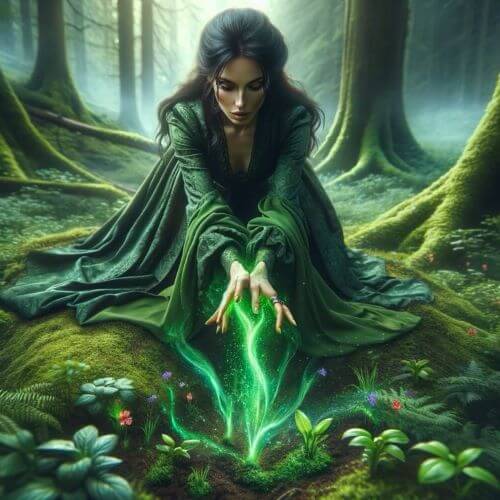
The Wayfarer society deeply roots itself in a culture of respect for nature, community, and tradition. They see the natural world as sacred, viewing the elements—earth, water, fire, air, and void—as forces that sustain, protect, and challenge them. They regard themselves as stewards of the highlands, with each tribe taking on roles that reflect this connection. Their daily lives revolve around working with the land, whether through farming, crafting, or performing rituals, to honor the spirits believed to live in the landscape.
Rituals and seasonal festivals are integral to Wayfarer culture, marking the passage of time, honoring the elements, and reinforcing community bonds. These events are colorful and often multi-day celebrations, where each tribe gathers, bringing offerings and performing unique rites that celebrate their connection to the elements and each other.
As an oral society, they place great value on storytelling, which serves as both entertainment and a way to preserve their history, beliefs, and values. Storytelling is a communal activity, with tales shared around fires or during festivals, often accompanied by music, dance, and symbolic gestures.
The Wayfarers express their connection to nature and their beliefs through various forms of art and craftsmanship. Their creations are functional but imbued with symbolism, crafted from materials found in the highlands and designed to honor the elements. Tattoos are a significant cultural symbol, with each mark representing an individual’s personal connection to the elements, achievements, or tribal identity. Typically, people get tattoos during rites of passage, such as adulthood or initiation into a faction, and each design reflects the wearer’s life and beliefs.
Wayfarer society is deeply communal, with a strong sense of shared responsibility and mutual aid. They lead a semi-nomadic lifestyle, moving with the seasons to follow resources, and they collectively work to ensure everyone’s needs are met, from food and shelter to spiritual well-being.
Spirituality is deeply embedded in everyday life, rituals, and practices that honor the elements and respect the balance of life and death. While they revere all elements, the Wayfarers approach void magic with a mixture of awe and caution, viewing it as both essential to existence and dangerous when misunderstood.
They build their identity around their relationship with the highlands, viewing themselves as a distinct people with a shared history and destiny. Despite having internal factions and occasional rivalries, Wayfarers see unity as essential to their survival, and they reinforce this through alliances and shared practices.
Clothing in Wayfarer Society
The Wayfarers’ clothing is practical, adaptable, and rich with cultural symbolism, reflecting their connection to the land and the elements. It is designed for durability, flexibility, and comfort in the rugged highlands, with each faction within the society having its own unique variations. People often make clothing from natural materials, decorate it with elemental motifs, and craft it to carry symbolic significance. They primarily use natural fibers and materials available in the highlands. Sheep and goats are common, so they widely use wool for warmth and layering, especially during the colder months. Animal hides are also used for outerwear, particularly by those living in higher elevations. The Earthbound Clan and other agricultural tribes cultivate flax and other plants for lightweight linen. Linen is a common material for summer clothing and inner layers, providing comfort in warmer seasons. People use leather for durability and reinforcement in garments, especially in belts, gloves, boots, and outer layers. Fur-lined clothing is common among those who travel to higher altitudes, where the temperature can drop sharply at night.
Wayfarers dress in layered, practical attire to accommodate the highlands’ unpredictable climate and their semi-nomadic lifestyle. Travelers can easily add or remove layers, adapting to the often-rapid changes in temperature and weather. The base layer for both men and women comprise a long tunic paired with sturdy trousers. Tunics are typically knee length, with wide sleeves and a loose fit for ease of movement. Vests made from wool or leather add warmth without hindering movement, often worn over tunics. Cloaks are common and vary in thickness depending on the season. A cloak’s color and design often show faction and tribal affiliation. People wear sashes and wraps around the waist, chest, or shoulders, for both practical and symbolic purposes. Some sashes carry charms or small pouches for herbs, tools, or trinkets, while others are dyed in colors that represent an individual’s faction or elemental affinity. Sturdy, reinforced leather boots with thick soles are common, providing durability and grip for traversing rocky landscapes. Many boots are waterproof or lined with fur for warmth and comfort. During warmer seasons, people prefer lighter footwear, such as sandals or fabric wraps around the ankles and feet.
Each Wayfarer faction has its own distinct style of clothing, designed to reflect their elemental focus and cultural values.
Earthbound members wear earthy colors—browns, greens, and ochres—to blend with the land. They reinforce their garments with leather patches on the shoulders, knees, and elbows for protection during farming and gathering. Earthbound clothing often has embroidered vine or leaf motifs.
Flamekeepers favor reds, oranges, and deep browns. They design their clothing for ritual and ceremony, with long sleeves and trailing hems. Flamekeepers often wear fireproofed shawls or scarves, woven with flame motifs, which they use during ceremonial dances. They add metallic accessories, such as bronze bangles or pendants, to symbolize the spark of fire.
Riverkeeper attire is practical for working near water, featuring water-resistant fabrics and lightweight materials for freedom of movement. Blues, greens, and silvers are common colors, often adorned with wavelike patterns. Riverkeepers wear leather gloves and sometimes arm wraps that wick away moisture.
Stormcallers wear muted grays, blues, and purples to reflect the sky and storms. Their clothing is loose and airy, with long sleeves and hoods to protect against strong winds. They add feathers, beads, or small bells to their garments, which resonate in the wind and symbolize the air’s movement. Stormcallers often wear cloaks that shimmer subtly, resembling clouds or rain.
Shadow Watchers wear dark, muted colors—charcoal, black, and deep blue—that allow them to blend into shadowed landscapes. Their clothing is close-fitting, quiet, and designed for stealth, often with hoods and extra pockets for tools or charms. Shadow Watchers wear pendants or small totems representing void symbols, and they adorn their clothing with subtle embroidery that resembles stars or shadowy patterns.
Ironhands favor dark brown, and gray fabrics reinforced with leather or metal. Their clothing is sturdy and practical, often with protective arm and leg wraps to guard against sparks and tools while crafting. Ironhands carry small, handcrafted metal tools in their belts and often wear rings, bracelets, or amulets fashioned from iron, copper, or bronze.
The Seers wear deep purples, blacks, and indigo, colors associated with mystery and the void. Their clothing is loose and layered, designed to cover most of their skin, with hoods or veils that partially obscure their faces. Seers decorate their garments with embroidered symbols representing constellations or void elements, and they often wear enchanted charms or beads that enhance their divinatory abilities.

Food in Wayfarer Society
Wayfarer cuisine is hearty, seasonal, and deeply connected to the highlands’ natural resources. The Wayfarers build their diet around local ingredients that they gather, hunt, farm, or trade within the different factions. Communal meals, food-sharing rituals, and seasonal feasts are central to their culture, reinforcing unity and gratitude toward the highlands.
The Wayfarers rely on a diverse range of ingredients adapted to the highlands’ terrain, with each faction contributing its own specialties to the larger society. These include grains, root vegetables, wild greens and herbs, mushrooms, fungi, berries and fruit.
Wayfarers consume a variety of meats, fish, and plant-based proteins, depending on the season, location, and cultural practices of each faction.
The cuisine is simple but flavorful, focusing on practical, filling dishes that nourish the body and connect the people with the land. Each faction cherishes its culinary specialties, but Wayfarer society enjoys certain traditional dishes across the board.
Preservation is essential, as it enables them to maintain food supplies through winter and during times of scarcity. Each faction contributes its preservation skills, including smoking, drying, salting, brining, and jam making.
The Wayfarers have a selection of beverages enjoyed daily and at ceremonial gatherings, from nourishing herbal teas to more celebratory drinks, such as honey mead and berry wine.
Seasonal dishes and ritual foods are integral to the culture, with each element celebrated through meals that reflect the flavors and resources of the season. During the Cycle of Elements festival, specific foods are prepared to honor each element. For the Rite of the Lost Moon, Wayfarers bake special loaves called Ancestor Bread, made from grains, herbs, and honey.
Food preparation is a communal activity in Wayfarer society, with meals prepared in large quantities and shared among families or factions. Each meal is an opportunity for bonding and storytelling, often accompanied by songs, tales, or blessings.
Economy and Trade in Wayfarer Society
The economy within Wayfarer society is primarily a barter system, grounded in communal sharing, trade, and mutual aid. Each faction has specific skills, resources, and products that contribute to the overall wellbeing of the community, creating an interdependent network. Wayfarers also engage in limited trade with neighboring communities, exchanging goods and knowledge with the Fellborn, Durnak, and, on rare occasions, the Liran. Wayfarers center their trade on practical needs but also include items that hold symbolic or ceremonial value, as many goods carry cultural significance.
Certain items hold significant value within Wayfarer society, either for their practical uses or for their cultural and ceremonial importance. They commonly trade these goods, such as medicinal herbs and remedies, crafted tools and weapons, textiles and garments, spiritual charms and talismans, and preserved foods and seasonal delicacies, which are especially sought after during festivals or times of scarcity.
While Wayfarer society is mostly self-sufficient, they engage in selective trade with neighboring communities. They carefully maintain each external trade relationship, balancing mutual respect with caution to avoid dependence.
The Fellborn are the Wayfarers’ closest allies, and they share a long-standing trade relationship. They trade high-quality stone, metal, and minerals for food, medicinal herbs, and textiles. The Riverkeepers maintain a respectful trade relationship with the Durnak, exchanging herbs, fish, and freshwater plants for minerals, healing potions, and aquatic charms.
The Liran are reclusive, but occasionally engage in cautious trade with the Wayfarers, typically in exchange for crafted items or ceremonial herbs. The Draksh are predatory and unpredictable, so there is no formal trade relationship with them. However, small packs occasionally leave hunting spoils or foraged items near Wayfarer paths as a form of indirect trade or peace offering.
Certain items hold spiritual significance, and their exchange plays an essential role in social and religious rituals within Wayfarer society. These exchanges are often symbolic, reinforcing ties between factions or neighboring communities.
The Wayfarers believe in fair exchanges, where both parties benefit without unnecessary exploitation. This ethical approach extends to all trade, with Wayfarers careful not to over-harvest or exhaust resources, respecting the highlands’ natural limits.

Technology in Wayfarer Society
Wayfarer society possesses technology rooted in craftsmanship, elemental magic, and resourceful adaptation to the highlands’ rugged environment. Their “technology” is primarily low tech but carefully crafted, often enhanced by elemental symbolism or small infusions of magic. Each faction brings its own skills and innovations, resulting in a diverse array of tools, structures, and techniques designed to be sustainable, functional, and in harmony with the natural world.
The Wayfarers excel in handcrafted tools and practical items, using natural materials available in the highlands and drawing on generations of knowledge and technique. They design their tools to be durable and suitable for their environment.
They have developed efficient textile techniques suited to the highlands’ climate, creating clothing and fabrics that are durable, protective, and rich with cultural significance.
Wayfarer dwellings and structures are practical and designed to blend with the landscape, using materials that offer protection from the elements while respecting the land’s natural aesthetics.
They have adapted to the highlands’ rough terrain with methods of transportation suited to their environment, with a focus on efficiency, portability, and endurance.
Food preservation is essential in Wayfarer society, and they use a combination of low-tech methods such as smokehouses, drying racks, clay and stone ovens, fermentation and pickling to store and prepare food.
The Wayfarers are skilled in crafting practical weapons, emphasizing survival and protection against aggression. They typically design their weapons, such as bows and arrows, spears, slings, and defensive talismans and charms, for hunting and defending against predators rather than warfare.
While most Wayfarer tools are crafted without overt magic, craftsmen enhance some items like enchanted amulets and wards, weathervanes and wind chimes, and tokens and void charms with elemental infusions or enchanted symbols, subtly merging technology with magic.
Wayfarers maintain knowledge through oral traditions, crafting tools, and simple systems that help pass on skills, stories, and practical information. They use carved stones and wooden markers to show paths, territories, or sacred sites. Healing is an essential skill, and portable herb kits are common.
Magic System of the Wayfarers
The Wayfarer magic system is a versatile, nature-based practice deeply tied to the elemental forces of earth, water, fire, air, and, to a lesser extent, void. Practical applications root the magic rather than flashy displays of power, and it focuses more on harmonizing with the land than dominating it. Each faction specializes in particular aspects of elemental magic, and individuals gain magical abilities through dedicated training, ritual, and personal connection to the elements. This magic system is subtle and restrained, often infused into everyday life, rituals, and tools rather than wielded as raw power.
Wayfarer magic is based on the five core elements: Earth, Water, Fire, Air, and Void, each representing different aspects of the natural world and bringing unique abilities to those attuned to them. Each faction aligns itself with one primary element, but individuals can develop affinities for multiple elements, allowing for versatility in their magical abilities.
Attuning to magical ability is not simply inherited or learned—it involves an intentional process that can take years of training and dedication. Attunement involves forming a bond with an element and learning to channel its power through focus, ritual, and respect.
Wayfarers often use magic as enchantments to channel elemental power for specific purposes. They perform rituals both individually and communally, and play an integral role in the culture, especially during festivals, seasonal transitions, and life milestones.
Wayfarer magic has inherent limitations, and each element comes with its own restrictions. These limitations prevent excessive power use and encourage weirlders to respect the natural balance of the highlands. Each use of magic drains physical and mental energy, particularly if the user goes beyond their skill level. Earth and water magic are the least taxing but require time for recovery. Fire and void magic, however, demand careful use, as they cause fatigue, mental fog, and even fainting if overused. Wayfarers cannot create elements but can only manipulate what is already present in the environment. Earthbound Wayfarers can influence soil but not rocks beyond a certain size. Similarly, Riverkeepers can manipulate small streams or plants but cannot control massive bodies of water. The limitations encourage Wayfarers to work with nature rather than forcefully against it. They teach that one must handle void magic with reverence due to its exceptionally delicate nature. Overuse of void magic can lead to disturbing visions, nightmares, or even temporary dissociation. The Seers of the Veil learn to use void magic sparingly and with clear intent, focusing on subtle perception rather than control.
Each faction has developed specialized magical practices, aligned with their unique elemental affinities and the skills they contribute to Wayfarer society.
The Earthbound specialize in agricultural magic, using earth energy to promote crop growth, protect soil health, and ward off pests. They also have a reputation for “Stonebinding,” a technique where they temporarily harden soil and small rocks for defense or stability.
Riverkeepers focus on healing and purification. They practice “Flowing Sight,” a technique that allows them to sense water currents, and “Waterweaving,” which lets them manipulate small amounts of water for ritual washing, purification, and gentle healing.
Flamekeepers specialize in purification and transformation magic, including “Firebinding,” the controlled creation of small flames for ritual or practical use. They practice “Heatbinding,” allowing them to manipulate heat in specific areas, and often forge charms using small, controlled bursts of fire.
Stormcallers practice weather prediction and subtle wind manipulation. Their specialty is “Windwhispering,” which involves listening to the sounds of the air and sensing atmospheric changes. Advanced Stormcallers use “Gustcraft” to create gentle breezes or disperse smoke, fog, or other elements for visibility.
The Shadow Watchers work with void magic and minor earth elements, using “Shadowbinding” to blend into shadows and “Echocasting” to connect briefly with echoes of past events. Their void magic is subtle and focused on perception, protection, and reverence for sacred sites.
Certain locations in the highlands naturally contain stronger elemental energy, making them ideal for magic practice, ritual, and attunement. These sacred sites serve as training grounds, meditation spaces, and focal points for communal gatherings and include elemental pools and springs, rock circles and earth alters, fire pits and pyres, wind groves, and void sanctuaries and ruins.
An ethical code that emphasizes harmony, respect, and caution guides wayfarer magic. In Wayfarer magic, magic is a communal asset, not a tool for personal gain, and the community considers misuse a serious breach of values.
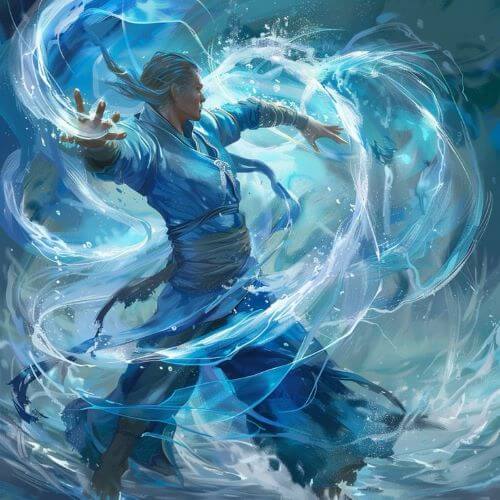
Through this example, I hope I have been able to show you how to piece by piece put together a world for your novel. Although I have used most of the world-building elements, you do not need to do that for your novel. In fact, it can be more manageable if you only pick two to four elements to focus on. Also having a setting and a character is not enough for a book. The third element you will need is a plot.
I hope this was helpful. Let me know if you have questions or suggestions by using the Contact Me form on my website or by writing a comment. I post every Friday and would be grateful if you would share my content.
If you want my blog delivered straight to your inbox every month along with exclusive content and giveaways, please sign up for my email list here.
Let’s get writing!
Copyright © 2024 Rebecca Shedd. All rights reserved.
The Worldbuilder’s Toolkit: World-building for Science Fiction
Posted on January 3, 2025 Leave a Comment

World-building is a foundational aspect of science fiction, allowing writers to create immersive, believable settings that transport readers into future societies, alien worlds, or alternate realities. Science fiction explores themes of technology, society, and the human experience, and effective world-building enhances these themes, making them more relatable and impactful. In this article, I will offer insights and practical tips on how to craft an interesting science fiction world.
Understanding Science Fiction
Science fiction is a genre that often explores futuristic technology, space exploration, time travel, and speculative societies. It delves into the potential implications of scientific advancements and the complexities of human nature in various contexts. A well-crafted science fiction world not only provides a backdrop for the story but also informs character development and plot progression.
Defining the Setting
Decide if your story is set in the present, the near future, the distant future, or an alternate timeline. Consider how advancements in technology, society, and culture have shaped the world.
Develop the physical landscape, including planets, cities, and environments. Consider how these elements affect society and influence the narrative.
In Isaac Asimov’s Foundation series, the setting spans a galaxy-wide empire, influencing political dynamics and cultural exchanges.
Establishing Technology
Define the technological advancements in your world. Consider how they affect daily life, communication, transportation, and warfare.
Create clear rules for how technology functions and its limitations. This adds depth and realism to your world.
In Arthur C. Clarke’s 2001: A Space Odyssey presents technology as both wondrous and potentially dangerous, prompting profound questions about humanity’s relationship with machines.
Exploring Societal Structures
Develop the political landscape, including forms of government, power dynamics, and social hierarchies. Consider how these structures impact daily life and character motivations.
Explore cultural practices, belief systems, and societal values. Consider how these elements shape interactions among characters and influence conflicts.
In Frank Herbert’s Dune, the intricate political intrigue and feudal structure of the desert planet Arrakis drive the story and highlight the significance of resources.
Creating Alien Races & Species
If your world includes alien species, develop their unique cultures, languages, and physical characteristics. Consider how they interact with humans and their place in the world.
Explore the relationships between different races, including cooperation, conflict, and cultural exchange.
In the Star Trek universe, diverse alien species coexist, each with distinct cultures and histories, contributing to the narrative’s richness.
Incorporating Science & Realism
Ground your world in scientific principles, whether through established theories or speculative advancements. Research relevant scientific concepts to lend credibility to your world.
Consider the consequences of scientific advancements on society, environment, and human behavior. This adds depth and authenticity to your world.
Kim Stanley Robinson’s Mars Trilogy meticulously explores the science of terraforming Mars, examining the environmental and societal affects of colonization.
Developing a Unique History
Craft a rich history that informs the present state of your world. Include major events, conflicts, and breakthroughs that have shaped society.
Incorporate legends or myths that reflect cultural values and beliefs. These elements can provide a context for characters’ motivations and conflicts.
In The Left Hand of Darkness by Ursula K. Le Guin, the history of the planet Gethen shapes its culture and societal norms, influencing the protagonist’s interactions.
Using World-Building to Enhance the Plot
Intertwine character backgrounds with the world’s history and culture. Characters should grow and change as they navigate their environments, facing challenges that reflect the world’s complexities.
Use the world’s dynamics to create conflict. This could involve political intrigue, environmental disasters, or clashes between species. The setting can serve as a catalyst for plot developments.
Use sensory details to bring the setting to life. Describe sights, sounds, and smells to create an immersive experience for readers, helping them feel connected to the world.
Unique World-Building Details in the Science Fiction Genre
Science fiction is a genre that often challenges the boundaries of imagination, exploring futuristic technologies, alien cultures, and speculative scientific advancements. To create a captivating and believable science fiction world, consider the following unique world-building details that define the genre.
Advanced Technology
Science fiction settings often feature advanced technologies that do not exist in the present. This includes artificial intelligence, space travel, advanced robotics, and biotechnology. Consider how these technologies affect daily life, the economy, and social structures.
Explore the implications of these technologies on human behavior and society. For example, how does AI influence job markets, or how does space colonization change human relationships and identity?
Space Exploration & Alien Worlds
Science fiction frequently involves the exploration of alien planets, each with unique ecosystems, climates, and inhabitants. Consider how the physical characteristics of these worlds affect their societies and cultures.
Create a variety of alien life forms with distinct biological, social, and cultural traits. Think about how they interact with each other and humans, and the potential for conflict or collaboration.
Scientific Concepts & Theories
Base your world on current scientific theories, such as quantum mechanics, relativity, or genetic engineering. Incorporating genuine science lends credibility to your narrative and allows for speculative advancements that feel plausible.
Use existing scientific concepts as a foundation to speculate on future advancements. For instance, explore the potential of nanotechnology, time travel, or virtual reality, and their societal affects.
Alternative Histories & Timelines
Science fiction often explores alternative histories, examining how different technological developments or events could change the course of humanity. This can include timelines where historical figures succeed in different ways or where significant events unfold differently.
Consider the existence of parallel universes or alternate realities, allowing for complex narratives that explore the consequences of choices made in different timelines.
Unique Societal Structures
Create governments that reflect the advancements in technology and society. This could include technocracies, authoritarian regimes powered by surveillance, or decentralized systems enabled by technology.
Examine how societies adapt to technological changes. For example, in a world where space travel is common, there may be cultures that prioritize cosmic exploration over terrestrial concerns.
Ethics & Morality in Science
Science fiction frequently explores ethical questions surrounding scientific advancements. Characters might grapple with the implications of cloning, artificial intelligence rights, or the consequences of genetic engineering.
These moral dilemmas can create tensions within societies, leading to conflicts between factions that advocate for or against specific technologies or ethical standards.
Futuristic Language & Communication
Consider how language might develop in response to technological advancements. This can include slang derived from technological jargon or entirely novel forms of communication, such as telepathy or virtual language systems.
Explore how different cultures in your world communicate. Introducing alien languages or dialects can add depth to your narrative and create opportunities for miscommunication and conflict.
Environmental Changes
Science fiction often examines the consequences of environmental degradation, leading to dystopian or post-apocalyptic settings. Consider how climate change, nuclear fallout, or resource scarcity have reshaped the world.
Explore futuristic solutions to environmental challenges, such as terraforming alien worlds or advanced ecological restoration technologies.
Interstellar Politics & Diplomacy
Develop systems of governance that extend beyond Earth, incorporating multiple planets or civilizations. This can involve complex diplomatic relations, trade agreements, and conflicts between species or factions.
Examine how cultural differences impact interstellar relations, leading to alliances, trade disputes, or wars.

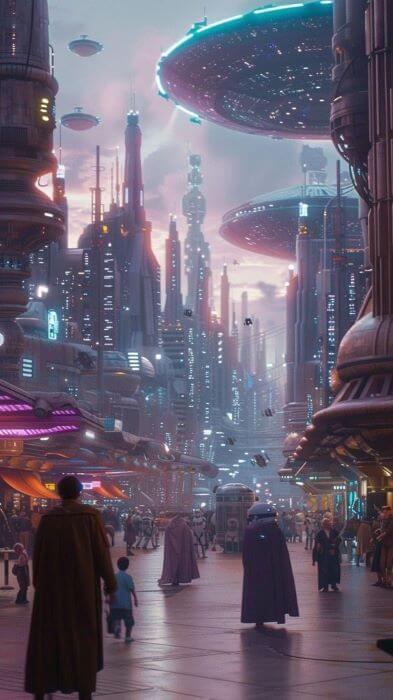
Image source.
What Sets Science Fiction Apart from Fantasy?
While both science fiction and fantasy offer rich opportunities for imaginative storytelling, they are different in their approaches, themes, and underlying principles. Science fiction grounds its narratives in scientific possibilities and explores the implications of technological advancements, while fantasy relies on magical elements and mythological constructs to create immersive and enchanting worlds. Understanding these differences can help writers effectively craft stories that resonate within their chosen genre, providing readers with interesting narratives that inspire wonder and provoke thought.
Foundational Concepts
Science fiction writers ground their work in scientific principles and theories and often explore the potential consequences of scientific advancements, technological innovations, and the exploration of the universe. It is usually grounded in real or plausible science and aims to explain its fantastical elements rationally. Examples of foundational concepts in science fiction include space travel, artificial intelligence, genetic engineering, and time travel.
Writers build fantasy on magical elements, mythological beings, and supernatural occurrences. It creates its own set of rules that often defy the laws of nature. While fantasy may draw on real-world cultures and history, its core elements are typically fantastical and unbound by scientific rationale. Examples of foundational concepts in fantasy include magic systems, mythical creatures (like dragons or fairies), and enchanted artifacts.
Settings & Worlds
Science fiction settings can vary from futuristic cities to distant planets, often featuring advanced technology and alien civilizations. Scientific principles usually inform the world-building and seek to explore what the future may hold based on current trends in technology and society. The environments may reflect societal issues or potential consequences of technological advancement, such as dystopian futures or utopian societies.
Fantasy settings are often based in imaginary realms that feature medieval landscapes, enchanted forests, or mythological worlds. These settings prioritize magic and may include elements that don’t adhere to the physical laws of the real world. Folklore and myth frequently steep the landscapes, creating rich, immersive environments that evoke a sense of wonder.
Themes & Motifs
Themes in science fiction often center on the implications of technology, the nature of humanity, and the exploration of the unknown. Common motifs include space exploration, contact with alien species, and the ethical dilemmas posed by scientific advancements. Science fiction frequently examines societal issues, such as the impact of technology on human relationships, environmental challenges, and the consequences of war.
Fantasy themes typically focus on the battle between good and evil, heroism, destiny, and the exploration of morality. Common motifs include quests, magical artifacts, and the coming-of-age journey. Fantasy often emphasizes personal growth, the importance of friendship, and the struggle against oppressive forces, all set against a backdrop of magic and myth.
Character Archetypes & Development
Characters in science fiction may be scientists, engineers, or explorers, often navigating complex ethical dilemmas and technological challenges. Their development may involve adapting to new realities or facing the consequences of their scientific pursuits.Characters can also include aliens or sentient machines, exploring themes of identity and consciousness.
Fantasy characters often include wizards, knights, mythical creatures, and heroes on quests. Writers typically link their development to their journey, emphasizing personal growth, loyalty, and courage. The archetypes in fantasy often align with traditional folklore, such as the hero’s journey or the mentor-mentee dynamic.
Plot Structure & Conflict
Science fiction plots often revolve around scientific discoveries, technological advancements, or the exploration of new worlds. Conflicts may arise from the consequences of these advancements, whether through societal upheaval, ethical dilemmas, or interactions with alien civilizations. The pacing can vary from action-driven plots to more contemplative narratives that examine philosophical questions.
Fantasy plots often follow traditional quest structures, with heroes embarking on journeys to defeat dark forces, recover lost artifacts, or fulfill prophecies. Conflicts are frequently personal and involve the struggle between good and evil. Authors may also weave intricate political intrigues into fantasy narratives, but they usually place these within the context of magical realms and epic struggles.
Reader Expectations
Readers of science fiction often expect scientific accuracy, plausible extrapolations, and thoughtful examinations of technology’s impact on society. Science fiction invites readers to consider the future and the ethical implications of scientific advancements.
Readers of fantasy expect magical elements, fantastical creatures, and a sense of wonder. Fantasy invites readers to escape into imaginative realms where anything is possible, often embracing the idealistic notions of heroism and adventure.

The Writers Toolkit
Creating an interesting science fiction setting and plot requires a blend of imagination, scientific principles, and thoughtful world-building. Here are practical tips to help you develop a rich and engaging science fiction narrative.
Define Your Core Concept – Identify the foundational concept of your science fiction world. This could be based on a technological advancement, a scientific theory, or a societal change. Your core concept will guide the rest of your world-building and plot development. Example: Consider a future where humanity has colonized other planets but faces a crisis because of resource depletion on Earth.
Establish the Setting – Decide whether your story will take place on Earth, in a distant future, or on an alien planet. Design the geography, climate, and ecosystems that reflect the technological and societal changes. Create detailed maps and descriptions of key locations, such as cities, spaceports, and unique landscapes. Consider how these environments affect the inhabitants and their cultures.
Develop Technology & Science – Create advanced technologies that shape your world. Define how they work, their purpose, and their impact on society. Consider both beneficial technologies and those that might have unintended consequences.While your world can include speculative elements, base your technologies on real scientific principles to enhance credibility. Research relevant scientific concepts to inform your technological advancements.
Create Unique Societies & Cultures – Consider how technology and scientific advancements influence social hierarchies, governance, and cultural practices. Explore various political systems, such as technocracies, dystopias, or post-apocalyptic communities.Develop the customs, languages, and belief systems of different groups within your world. Reflect on how technological advancements shape these cultures and their interactions with others.
Introduce Alien Species & Life Forms – If your story includes extraterrestrial species, design their biology, cultures, and social structures. Consider how these beings differ from humans and how they interact with the environment and each other.Explore the physical and mental characteristics of your alien species. Think about their communication methods, technology use, and societal norms.
Craft Engaging Conflicts – Develop conflicts that arise from your world’s technology, politics, or environmental challenges. These conflicts can be personal, societal, or intergalactic, adding depth to the narrative.Make sure that the characters’ goals and motivations tie in with the world’s conflicts. Personal stakes can enhance the emotional impact of the plot.
Incorporate Ethical Dilemmas – Explore the ethical implications of technological advancements and scientific discoveries. Characters may face dilemmas regarding artificial intelligence, genetic manipulation, or environmental destruction.Consider how different groups within your world respond to these dilemmas. This can lead to internal and external conflicts that drive the plot.
Use Sensory Details – Use vivid sensory details to create an immersive experience for readers. Describe the sights, sounds, and smells of your world, helping readers feel present within the setting.Showcase how technology affects daily life, from transportation methods to communication tools. This adds realism and depth to your world.
Weave in Themes & Motifs – Identify themes you want to explore, such as the impact of technology on humanity, the nature of identity, or the consequences of exploration. You should weave these themes throughout the plot and character arcs.Consider using recurring symbols or motifs that reinforce your themes. This can create a sense of cohesion and depth within your narrative.
Maintain Consistency & Plausibility – Ensure that the rules governing your world, including technology and societal structures, remain consistent throughout the narrative. Inconsistencies can disrupt immersion and confuse readers.While science fiction allows for speculation, try to ground your scenarios in realistic consequences of scientific advancements. This enhances credibility and encourages readers to engage with your world.

Fictional Example: The City of Nexus Prime
Nexus Prime is a sprawling megacity on the terraformed planet of Elysium, in the Trion Nebula. It is a hub of advanced technology, diverse cultures, and interstellar commerce, characterized by its towering skyscrapers, floating transport systems, and a complex network of artificial intelligence that governs daily life.
Nexus Prime features a vertical design, with multiple levels stacked high above the surface. Each level serves different functions—residential areas, commercial districts, industrial zones, and green parks that use advanced hydroponics for food production. A network of skyways—elevated pathways for personal transport pods connects the city and hover vehicles. A high-speed maglev train system runs between the various sectors, providing swift travel for residents and visitors.
A central AI oversees the city named Astra, which manages everything from traffic flow to energy distribution. Astra uses predictive algorithms that optimize daily operations and enhance safety. Nexus Prime boasts advanced biotechnological innovations, including genetically modified crops, bio-engineered pets, and health-enhancing implants for citizens, all designed to improve quality of life.
Nexus Prime is home to a melting pot of species from various planets. Humans, cyborgs, and alien races coexist, bringing their unique cultures, traditions, and languages to the city. The city hosts annual festivals celebrating the diverse cultures of its inhabitants, such as the Festival of Lights, where different races showcase their traditional music, food, and art.
A consortium of mega-corporations that holds significant power in political decisions governs Nexus Prime. Citizens can take part in a democratic process, but corporate influence often skews elections and policy-making.
Stark class divisions mark the city, with wealthier residents living in the upper tiers, enjoying luxury amenities and green spaces, while lower-income individuals inhabit the industrial sectors with limited resources and opportunities.

Creating a captivating science fiction world involves a careful balance of imagination, research, and storytelling. By focusing on the key components of world-building, drawing from real-world inspirations, and integrating characters deeply into the setting, you can craft a rich and engaging narrative that captivates readers. Embrace the possibilities of science fiction, and let your creativity shape a future that is both thrilling and thought-provoking. Happy world building!
I hope this was helpful. Let me know if you have questions or suggestions by using the Contact Me form on my website or by writing a comment. I post every Friday and would be grateful if you would share my content.
If you want my blog delivered straight to your inbox every month along with exclusive content and giveaways, please sign up for my email list here.
Let’s get writing!
Copyright © 2024 Rebecca Shedd. All rights reserved.
The Worldbuilder’s Toolkit: World-building for Urban Fantasy
Posted on December 20, 2024 2 Comments
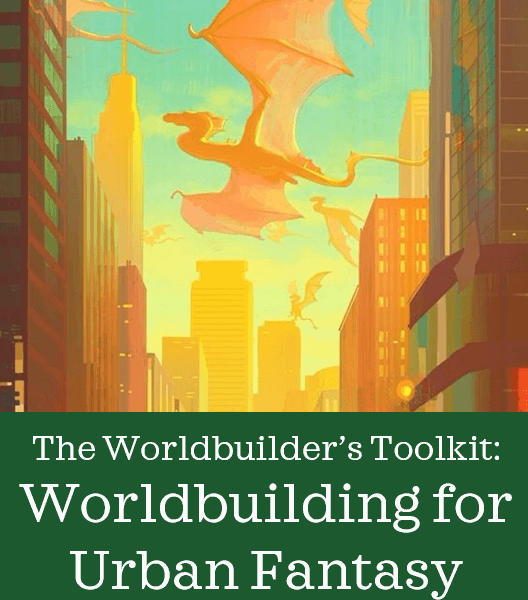
Urban fantasy combines the magical and the mundane, placing supernatural elements in contemporary settings. This subgenre offers a unique opportunity to explore familiar urban landscapes infused with magical intrigue, mythical creatures, and hidden societies. Crafting a believable and immersive urban fantasy world requires careful attention to detail, character integration, and the interplay between reality and the fantastical. Here’s an effective way to build a captivating urban fantasy world.
Understanding Urban Fantasy
Urban fantasy is characterized by its setting in modern cities where magic, supernatural beings, and otherworldly elements coexist with everyday life. This genre often explores themes of identity, societal conflict, and the balance between normalcy and the extraordinary. A well-crafted urban fantasy world enhances the narrative and provides a rich backdrop for character development and plot progression. Here are some key world-building details that are unique to the urban fantasy genre.
Modern Urban Settings
Writers set urban fantasy in recognizable cities or contemporary environments. Writers often draw on real-world locations, giving readers a sense of familiarity while introducing fantastical elements.
Magic exists alongside modern life, often hidden in plain sight. This could include magical shops nestled between coffee houses or supernatural beings living undercover in society.
Hidden Societies and Subcultures
Urban fantasy features hidden societies that operate beneath the surface of the mundane world. These could include magical guilds, supernatural law enforcement, or underground markets for enchanted items.
Each hidden society has its own customs, languages, and traditions that reflect its unique magical heritage. This adds depth and variety to the world.
Interplay of Technology and Magic
Urban fantasy often explores the relationship between modern technology and magic. Characters might use magical devices that enhance their abilities or magical apps that help navigate supernatural challenges.
Consider how technology affects magical practices. For instance, are there enchanted smartphones that connect users to the supernatural community, or magical hacking techniques that manipulate technology?
Diverse Supernatural Beings
Urban fantasy features a broad array of supernatural beings, from traditional creatures like vampires and werewolves to unique inventions. These beings often have their own social structures and hierarchies.
You can explore how these creatures coexist with humans, including issues of discrimination, acceptance, and cultural exchange. The dynamics between different species can create tension and conflict in the narrative.
Cultural Nuances
Incorporate elements of urban culture, such as music, art, and fashion, into the magical community. This could involve magical street art, enchanted graffiti, or supernatural music that has actual effects.
Showcase how magic influences everyday life. For example, a character might have a magical roommate, encounter enchanted public transportation, or attend a magical school disguised as a community college.
Mundane Conflicts with Supernatural Elements
Address real-world social issues such as inequality, prejudice, and identity through the lens of the magical. Characters may face challenges that mirror contemporary societal conflicts, providing depth to the narrative.
Conflicts often arise from characters’ personal lives, such as relationships, jobs, and family dynamics, interwoven with supernatural challenges. This creates relatable stakes while maintaining the fantastical elements.
Secret Histories and Lore
Develop a rich backstory that explains how magic has existed in the urban setting and how it has influenced history. This can include ancient covenants, past wars between magical factions, or significant events that shaped the current world.
Incorporate local myths and legends that resonate with the urban setting. This could involve reinterpretations of classic fairy tales or new legends that emerge from the city’s culture.
Everyday Life of Magical Characters
Explore how characters balance their supernatural abilities with mundane responsibilities, such as jobs, relationships, and personal growth. This duality adds layers to their personalities.
Consider how characters’ magical abilities influence their careers. A mage might work as a private investigator, while a shapeshifter could be a performer or a spy, integrating magic into the fabric of their daily lives.
World-Building Through Character and Plot
Use characters’ experiences to reveal aspects of the world. Their interactions with both magical and mundane elements can provide insight into the setting.
Integrate characters’ backstories with the world’s history and politics. Their personal stakes should reflect broader societal issues, driving the narrative forward.
Ensure that the world influences character arcs. Characters should grow and change as they navigate the complexities of their urban environment.
Use their backgrounds and experiences to create rich, multifaceted characters that resonate with readers.
Use the urban landscape to create unique conflicts. For example, rival supernatural factions might clash over territory or resources, while characters grapple with personal dilemmas rooted in their identities.
The setting can serve as a catalyst for plot developments, influencing character decisions and relationships.
Introduce magical artifacts, ancient spells, or powerful beings that play crucial roles in the plot. You should weave these elements into your world’s lore and history, enhancing the depth of the narrative.
Use sensory details to bring the urban setting to life. Describe the sights, sounds, and smells of the city, making it feel vibrant and real.
Incorporate cultural practices and local customs to enhance the reader’s immersion in the world.
Drawing Inspiration for Urban Fantasy World-Building
Visit cities and observe their unique cultures, architecture, and atmospheres. Use these observations to inform your world-building, creating a setting that feels authentic.
Consider how different cities around the world incorporate elements of magic or superstition in their cultures and histories.
Explore local myths, legends, and folklore that can inspire supernatural beings and magical elements in your world. Consider how you can reimagine these stories in a modern urban setting.
Study social issues such as discrimination, inequality, and cultural diversity in contemporary society. Reflect these dynamics in your characters and plot to create a relatable and thought-provoking narrative.

What Sets Urban Fantasy Apart from High Fantasy
Urban fantasy and high fantasy are two distinct subgenres within the fantasy genre, each with its own unique characteristics and storytelling approaches. Urban fantasy thrives on integrating magical elements within contemporary urban settings, exploring personal and societal themes, while high fantasy transports readers to entirely new realms with grand narratives centered on epic quests and clear moral conflicts. Understanding these differences can help you effectively craft your narratives. Here’s a detailed comparison of what sets urban fantasy apart from high fantasy.
Setting and Environment
Urban fantasy takes place in contemporary or modern urban settings, often resembling real-world cities. The magic and supernatural elements exist alongside everyday life, blending seamlessly with familiar environments. Examples of urban settings include bustling metropolises like New York City, London, or fictional cities that reflect modern urban life.
High fantasy stories take place in entirely fictional worlds that have their own rules, histories, and geographies. These settings are often expansive and richly detailed, featuring diverse landscapes such as enchanted forests, floating islands, and ancient ruins. High fantasy worlds are typically more removed from our reality and may include entire continents or realms populated by various fantastical races and creatures.
Integration of Magic
In urban fantasy, magic hides in plain sight, coexisting with technology and modern societal norms. The presence of magic can be subtle, with supernatural beings and magical occurrences lurking beneath the surface of everyday life. Typically, the narrative presents the magical elements as part of a larger urban culture, with unique customs, underground societies, and hidden magical communities.
In high fantasy, magic is usually a fundamental part of the world, deeply woven into its history, politics, and culture. It often operates under specific rules and limitations that are central to the story. Magic can have grand and epic implications, affecting entire nations or realms, and is often a driving force behind major plot events.
Character Dynamics
In urban fantasy, characters often navigate both the magical and mundane aspects of their lives. Protagonists may be everyday people, supernatural beings, or hybrids, dealing with personal issues that reflect contemporary society. The interactions between human and supernatural characters frequently explore themes of identity, acceptance, and societal prejudice.
In high fantasy, characters are often heroes or larger-than-life figures engaged in epic quests or battles against dark forces. Their journeys may involve clear-cut distinctions between good and evil, often with a focus on destiny and heroism. High fantasy characters may come from diverse races and cultures, each with its own set of skills, powers, and conflicts that contribute to the overall narrative.
Themes and Conflicts
Urban fantasy often centers on the complexities of modern life, such as personal identity, social issues, and the struggle for power within urban environments. Conflicts may arise from clashes between magical and mundane societies, or from individual characters’ internal struggles. Urban fantasy may also explore moral ambiguities, with characters facing ethical dilemmas that challenge their beliefs and values.
High fantasy typically includes epic battles between good and evil, the hero’s journey, and the exploration of fate versus free will. Conflicts are often grand in scale, involving entire kingdoms or realms and the forces of darkness threatening the world. High fantasy narratives often emphasize honor, loyalty, and sacrifice, with characters facing monumental challenges that test their strength and resolve.
Pacing and Tone
In urban fantasy, the pacing is often fast and focused on character-driven plots. The tone can range from dark and gritty to lighthearted and humorous, reflecting the complexities of urban life and the coexistence of the mundane and magical. The narrative may incorporate elements of mystery, thriller, or romance, depending on the story’s focus.
In high fantasy, the pacing can vary, often allowing for more expansive world-building and exploration. The tone is usually epic and grand, emphasizing the stakes involved in the characters’ quests. High fantasy narratives often include extensive lore and mythology, which can slow the pace but enrich the world’s depth.

The Writer’s Toolkit
Crafting an interesting urban fantasy setting and plot involves blending the magical with the mundane, allowing readers to immerse themselves in a world where the extraordinary exists alongside everyday life. Here are some practical tips to guide you through the process:
Start with a Strong Concept – Define the core elements of your urban fantasy world, including its magical system, key supernatural beings, and the major conflicts. This will serve as the foundation for your world-building.
Develop Detailed Character Profiles – Create detailed character profiles that reflect their backgrounds, motivations, and relationships to the world. Ensure that the urban environment and magical elements shape their experiences.
Maintain Consistency – Ensure that the rules of your world, including the magic system and social dynamics, remain consistent throughout the narrative. Inconsistencies can disrupt immersion and confuse readers.
Choose a Realistic Urban Setting – Consider using a real-world city as your setting or create a fictional city that mirrors the characteristics of an urban environment. Research the city’s culture, geography, and history to enhance authenticity. Highlight specific areas within the city that have unique characteristics, such as a vibrant arts district, a bustling market, or a quiet, hidden enclave. This adds depth and variety to your world.
Integrate Magical Elements Naturally – Introduce magic in a way that feels organic to the urban environment. This could be through magical shops, street performers with supernatural abilities, or whispers of the fantastic in everyday conversations. Consider how magic interacts with modern technology. For example, magical apps, enchanted devices, or spell-infused public transport can create a seamless blend of the magical and the technological.
Create Diverse Supernatural Beings – Populate your world with a mix of traditional and original supernatural beings. Develop their cultures, customs, and social hierarchies, ensuring they feel distinct and well-integrated into the urban setting. Explore the relationships between humans and supernatural beings, including issues of discrimination, alliances, and cultural exchanges. These dynamics can drive plot developments and character interactions.
Develop Unique Magical Systems – Create a magic system with clear rules and limitations. Define how to access magic, the cost of using it, and the consequences of misusing it. This adds tension and complexity to your plot. Consider how the presence of magic affects societal norms, laws, and daily life. Are there regulations governing magic use? Is magic widely accepted or feared?
Incorporate Real-World Issues – Address real-world social issues such as prejudice, inequality, and identity through the lens of your urban fantasy world. This can provide depth to your characters and plot while making the story relatable. Ground the plot in personal conflicts and dilemmas that resonate with readers. Characters should face challenges that reflect their struggles within both the magical and mundane realms.
Establish Hidden Societies and Cultures – Create hidden magical societies that operate beneath the surface of the urban setting. These could include magical guilds, supernatural law enforcement, or underground markets for enchanted goods. Develop unique customs, traditions, and rituals within these societies. This adds richness to your world and provides opportunities for conflict and intrigue.
Use Sensory Details – Use sensory details to bring the urban setting to life. Describe the sights, sounds, and smells of the city, weaving in magical elements that enhance the atmosphere. Showcase how magic affects daily activities and routines. This can include characters’ interactions in magical cafes, enchanted shops, or mystical parks.
Create Compelling Conflicts – Develop conflicts that arise from the interaction of magical and mundane elements. This could involve rival supernatural factions, conflicts over territory, or personal vendettas intertwined with larger societal issues. Ensure that the world influences character arcs. Characters should grow and change as they navigate the complexities of their urban environment and magical society.
Balance Plot and World-Building – Introduce world-building details organically through character actions, dialogues, and experiences rather than through lengthy exposition. This keeps the narrative engaging and maintains the pace. Weave historical elements and lore into the plot through artifacts, ancient texts, or character backstories. This adds depth to the world without overwhelming the reader.
Engage with Readers – Share your world-building concepts with beta readers or writing groups to gather feedback. Their insights can help refine your setting and plot, ensuring that it resonates with your audience. Be willing to adapt your world and plot based on what works best for the story. Flexibility allows for creative discoveries that can enhance the narrative.

Fictional Example: The City of Verenthia
Verenthia is a bustling metropolis that seamlessly blends the mundane with the magical. It is a sprawling city with a mix of modern skyscrapers, historical buildings, and hidden alleyways. Enchanted towers, which shimmer at night, dot the skyline.
The Wyrmwood District is a vibrant neighborhood known for its eclectic shops and magical markets. Here, vendors sell potions, enchanted artifacts, and mystical ingredients, often tucked away in narrow streets filled with street performers and magical creatures.
Throughout Verenthia, magical barriers shield certain areas from mundane detection, allowing supernatural beings to coexist with humans without drawing attention. These barriers often shimmer faintly, visible only to those with magical sight.
The city’s public transport system includes enchanted buses and trams that can shift routes based on traffic patterns, ensuring swift travel for both humans and magical beings.
Verenthia is home to a variety of supernatural beings. Vampires, living in the upscale district of Nocturne Heights, run exclusive nightclubs and operate within a network of ancient rules and traditions. A community of shapeshifters known as the Chameleon Guild functions in the back alleys, offering services as spies or informants. Elemental spirits who influence the weather and maintain the natural balance inhabit the city’s parks, often interacting with urban dwellers.
Verenthia hosts annual festivals that celebrate the convergence of magic and technology, such as the Luminal Gala, where they showcase magical light displays and technological innovations.
Characters navigate a world where magic affects everything from daily routines to societal norms. For instance, a local café might serve enchanted coffee that enhances focus or creativity.
In this city, a young bartender named Martin discovers he possesses the rare ability to manipulate time. Martin’s journey intertwines with an enigmatic vampire seeking redemption, a shapeshifter with a hidden agenda, and a wise elemental spirit who guides him. Together, they must navigate the intricate politics of Verenthia’s magical underbelly while confronting their personal demons.
Creating a captivating urban fantasy world requires a delicate balance of realism and imagination. By focusing on the key components, drawing from real-world inspirations, and integrating characters deeply into the setting, you can craft a rich and engaging narrative that captivates readers. The interplay of the ordinary and the extraordinary allows for rich storytelling opportunities, inviting readers to explore the magical dimensions hidden within their own urban landscapes. Happy world-building!

I hope this was helpful. Let me know if you have questions or suggestions by using the Contact Me form on my website or by writing a comment. I post every Friday and would be grateful if you would share my content.
If you want my blog delivered straight to your inbox every month along with exclusive content and giveaways, please sign up for my email list here.
Let’s get writing!
Copyright © 2024 Rebecca Shedd. All rights reserved.
The Worldbuilder’s Toolkit: Worldbuilding for High Fantasy
Posted on December 6, 2024 Leave a Comment

World-building is a cornerstone of high fantasy, a genre defined by its immersive and intricate settings that transport readers to entirely new realms. Unlike other genres where the world may reflect the real world with a few fantastical elements, high fantasy demands the complete creation of a new reality. This article delves into the essentials of world-building for high fantasy, from foundational elements to intricate details that make your world feel alive and unique.
Key Components of High Fantasy World-Building
High fantasy, also known as epic fantasy, is characterized by its setting in an entirely fictional universe, distinct from the real world. This genre often involves grand quests, mythical creatures, and complex magic systems. The world-building in high fantasy is crucial because it creates the backdrop against which the fantastical elements and stories unfold. A well-crafted fantasy world not only provides context but also enhances the narrative and deepens the reader’s engagement.
Geography & Environment
Design diverse and unique landscapes—mountain ranges, enchanted forests, arid deserts, and sprawling kingdoms. Consider how these environments affect the cultures and societies within them.
Different climates can influence clothing, architecture, and daily life. For instance, a frost-covered realm might have inhabitants skilled in ice magic, while a tropical region could be known for its vibrant flora and fauna.
Cultures & Societies
Define the political and social hierarchies. Are there monarchies, democracies, or tribal systems? How do these structures impact the lives of your characters?
Create rituals, festivals, and customs that reflect the values and beliefs of your societies. Consider how these traditions shape daily life and influence character interactions.
Magic Systems
Develop a comprehensive magic system with its own rules and limitations. Decide if your magic is elemental, incantation-based, or derived from ancient artifacts.
Determine who can use magic and how it’s controlled. Are magic users born with innate abilities, or do they need to undergo rigorous training?
History & Lore
Craft a rich history that includes creation myths, legendary heroes, and historical conflicts. This backstory provides depth and context for current events in your world.
Include significant events that have shaped your world, such as wars, treaties, or cataclysms. These events should have a lasting impact on the societies and politics within your world.
Economy & Trade
Define the economic models—barter systems, currency-based economies, or trade-dependent societies. Consider how trade routes, resources, and economic policies affect different regions.
Detail the goods and services traded between regions. Unique resources, magical artifacts, or rare ingredients can drive trade and conflict.
Religions & Belief Systems
Create gods and spiritual entities that influence the beliefs and practices of your characters. How do these deities interact with the world and its inhabitants?
Develop religious ceremonies, places of worship, and moral codes. Consider how religion shapes laws, culture, and interpersonal relationships.
Technology & Innovation
Decide on the level of technological development in your world. Are there steam-powered machines, magical constructs, or futuristic gadgets?
Explore how technology affects daily life, industry, and warfare. How does it influence social dynamics and power structures?
Using World-Building to Enhance the Plot
Characters are shaped by their environments and societies. Use world-building details to influence their motivations, conflicts, and growth. For example, a character from a war-torn region may be driven by a desire for peace.
World-building provides a backdrop for conflicts—political intrigue, territorial disputes, or magical crises. Develop conflicts that are rooted in your world’s history and politics, and let these drive the narrative forward.
Magical artifacts, ancient relics, or powerful spells can play a crucial role in your story. These elements should have historical significance and impact the plot’s progression.
Use sensory details to immerse readers in your world. Describe sights, sounds, and smells to bring your settings to life. Incorporate cultural practices and customs into scenes to enhance the sense of realism.
Drawing Inspiration from Real-World Cultures
Study historical societies and their complexities. Look at the political structures, trade systems, and cultural practices of various civilizations. Use these elements as a basis for creating rich and believable cultures in your fantasy world.
Explore mythologies and folklore from around the world. Incorporate mythical creatures, legendary heroes, and ancient gods into your world-building to add depth and intrigue.
Observe traditional customs, clothing, and cuisines from different cultures. Adapt these practices to fit your world’s unique setting, giving your cultures a sense of authenticity and diversity.

Unique World-Building Details in High Fantasy
High fantasy is a genre where world-building transcends mere backdrop creation; it is integral to the narrative and experience of the story. Here are some unique world-building details that are characteristic of high fantasy and essential for crafting an immersive and compelling fantasy world:
Deities
In high fantasy, the divine often plays a central role. Create a single god or pantheon of gods and goddesses with distinct personalities, domains, and relationships. These deities should influence the world’s cultures, politics, and magical systems. Develop a hierarchy among gods, with major deities ruling over broad aspects of existence (e.g., creation, destruction, nature) and lesser gods managing specific elements or regions.
Establish temples, clergy, and religious orders. They can wield significant power and influence in your world or be small, underfunded, and irrelevant. Their practices, rituals, and dogmas could impact daily life and politics.
Mythical Creatures & Races
High fantasy often features a diverse array of sentient and non-sentient creatures. These can range from well-known fantasy races like elves and dwarves to entirely new creations.
Design unique species with their own cultures, languages, and abilities. Think beyond traditional fantasy races and consider creatures with unconventional traits and societal structures.
Introduce magical beasts that interact with the environment and characters. These could be intelligent dragons, ethereal spirits, or mythical beasts with unique powers.
Intricate Magic Systems
Magic in high fantasy is often complex and deeply woven into the fabric of the world. Develop a magic system that defines how magic is accessed, used, and regulated.
Determine where magic originates—whether from natural elements, divine sources, ancient artifacts, or mystical realms.
Explore how magic is controlled or restricted. Are there guilds, academies, or laws governing its use? How does magic impact social hierarchies and power dynamics?
Ancient & Hidden Knowledge
High fantasy worlds frequently feature ancient knowledge and lost civilizations that hold secrets crucial to the plot.
Populate your world with remnants of ancient civilizations. These ruins might hold powerful artifacts, forgotten spells, or clues to the world’s history.
Perhaps include hidden or mystical libraries that store lost knowledge. Accessing this information can be a major plot point and drive the story forward.
Epic Quests & Prophecies
The journey is often central to high fantasy narratives, and epic quests and prophecies are common elements.
Create prophecies that foretell significant events or the rise of heroes. These prophecies should be enigmatic, with multiple interpretations that affect the characters’ decisions.
Design quests that are both personal and epic in scale. These quests should involve discovering ancient secrets, defeating dark forces, or uniting disparate factions.
Unique Political Systems
High fantasy worlds often feature political systems that differ from those in the real world.
You can develop feudal or hierarchical systems with intricate alliances, loyalties, and rivalries. Consider how power is distributed among nobles, kings, and commoners.
Explore forms of governance where magic users hold power. This could include mage councils, sorcerer kings, or magical democracies where spells influence political decisions.
Distinctive Cultures & Traditions
Cultures in high fantasy are often richly detailed and distinct.
Create festivals and rituals that reflect the values and beliefs of different cultures. These festivals could celebrate deities, seasons, or historical events.
Develop unique forms of art, music, and literature. These cultural expressions can reflect the world’s history, magic, and societal values.
Unique Geography & Architecture
High fantasy worlds often feature geography and architecture that defy the constraints of the real world.
Design landscapes that are fantastical in nature—floating islands, subterranean cities, enchanted forests, or giant crystalline structures.
Create architectural marvels that reflect the cultures and technologies of your world. This might include magical fortresses, living buildings, or structures that defy natural laws.
Integration of Technology & Magic
In high fantasy, technology and magic often coexist and interact in unique ways.
Develop technology that is influenced by or incorporates magic, such as enchanted devices, rune-powered machinery, or arcane constructs.
Explore conflicts between traditional magic users and those who seek to integrate or replace magic with technology.

What Sets High Fantasy Apart from Low Fantasy & Urban Fantasy
Fantasy as a genre is incredibly diverse, with different subgenres offering various ways to explore magical and otherworldly elements. High fantasy, low fantasy, and urban fantasy are three distinct subgenres, each with unique characteristics that set them apart. Here’s a look at what makes high fantasy different from low fantasy and urban fantasy.
High Fantasy
High fantasy, often referred to as epic fantasy, is characterized by its creation of entirely new, self-contained worlds with their own rules, histories, and mythologies. These worlds are usually separate from our own and feature elaborate settings that include diverse cultures, magical systems, and complex political structures.
Magic is a central element in high fantasy, often woven into the very fabric of the world. The magic system is usually intricate and foundational to the plot and setting. Mythology, including gods, ancient prophecies, and legendary creatures, plays a significant role.
High fantasy stories tend to be grand in scope, often involving epic quests, large-scale conflicts, and world-changing events. The stakes are usually high, with the fate of entire worlds or civilizations at risk.
Examples of high fantasy include J.R.R. Tolkien’s The Lord of the Rings, Brandon Sanderson’s Mistborn series, and C.S Lewis’ The Chronicles of Narnia series
Low Fantasy
Low fantasy is set in a world that is largely similar to our own, with magic or supernatural elements appearing more as intrusions or anomalies rather than as foundational aspects of the world. The primary setting is often a realistic or historical version of Earth or a world that closely resembles it.
Magic in low fantasy is typically limited and less pervasive. It often exists in the form of rare artifacts, secret knowledge, or isolated instances rather than being an integral part of everyday life. The focus is often on how these elements disrupt or influence the otherwise normal world.
The stakes in low fantasy are usually more personal and localized. Conflicts are often centered around smaller-scale issues, such as personal dilemmas, moral choices, or small-scale conspiracies.
Examples include George R.R. Martin’s A Song of Ice and Fire (though it has some high fantasy elements, its grounded, political nature leans toward low fantasy), Scott Lynch’s The Lies of Locke Lamora, Guillermo del Toro’s Pan’s Labyrinth, and Netflix’s The Witcher (though it has high fantasy elements, it includes a gritty, more realistic approach)
Urban Fantasy
Urban fantasy combines elements of fantasy with contemporary, urban settings. The magical or supernatural elements exist alongside modern technology and society, often hidden or integrated into the fabric of everyday life.
Magic and supernatural beings coexist with the modern world, often operating in secrecy or as part of hidden subcultures. The rules and systems of magic are typically designed to interact with or disrupt modern life.
Urban fantasy often focuses on personal and immediate conflicts, such as individual struggles, city-wide threats, or local mysteries. The scale is generally more intimate compared to the grand, epic scope of high fantasy.
Examples include Jim Butcher’s The Dresden Files, Patricia Briggs’ Mercy Thompson series, Joss Whedon’s Buffy the Vampire Slayer, and Neil Gaiman’s American Gods.
Setting & World-Building
High fantasy has entirely new worlds with comprehensive world building, although fantasy has realistic or historical settings with limited magical elements, and urban fantasy has contemporary settings with integrated magical or supernatural elements.
In high fantasy, magic is usually pervasive and integral to the world and its history, while in low fantasy magic is often rare and considered an anomaly or a hidden aspect, while in urban fantasy, magic exists alongside modern life, influencing or disrupting contemporary society.
Scope & Scale
High fantasy usually involves grand, epic narratives with high stakes and large-scale conflicts, while low fantasy has more personal, localized conflicts with focus on individual or small scale issues, and urban fantasy usually has intimate, often city centric conflicts involving magical elements.
Technology
High fantasy often has no magical technology or contemporary societal elements, while low fantasy closely resembles historical or realistic settings with minimal magic and in urban fantasy, modern technology and urban life interact with magical elements.
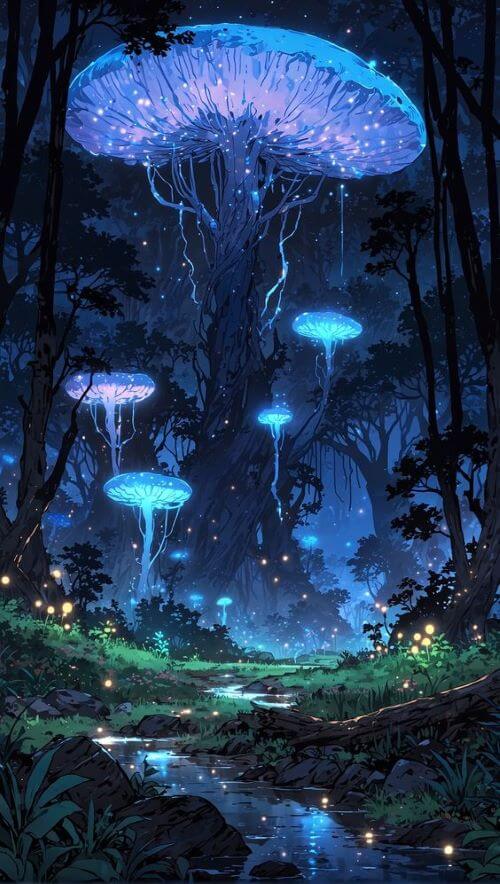
The Writer’s Toolkit
Creating a high fantasy setting and plot involves crafting an intricate world with its own rules, history, and magic. Here are some practical tips to guide you through the process.
Start with Core Concepts – Begin by defining the foundational elements of your world—geography, magic systems, and key historical events. Build upon these core concepts to create a cohesive and detailed setting.
Integrate Details Gradually – Introduce world-building details naturally through the narrative. Avoid info-dumping; instead, reveal aspects of your world through character interactions, plot developments, and descriptive passages.
Consistency is Key – Ensure that the rules and elements of your world remain consistent throughout the story. Inconsistencies can break immersion and confuse readers.
Consider the Ripple Effects – Think about how changes in one aspect of your world—such as a new technological innovation or a political shift—will affect other areas. Create interconnected systems where changes have far-reaching consequences.
Engage with Readers – Test your world-building ideas with beta readers or writing groups. Their feedback can help you refine your world and ensure that it resonates with your audience.
Establish a Comprehensive World-Building Framework – Start with a clear outline of your world’s geography, history, and culture. Design continents, countries, cities, and landmarks. Consider how the physical landscape influences the culture and conflicts within your world. Develop a timeline of significant events, such as wars, discoveries, and revolutions. This history will shape the current state of your world and provide depth to your plot. Define the social structures, traditions, and daily life of different societies. Think about how different cultures interact with each other and how they impact the plot.
Develop a Unique Magic System – Create a magic system with distinct rules and limitations that impact both the plot and characters. Define how magic works, including its sources, limitations, and costs. Consider whether magic is innate, learned, or a combination of both. Think about how magic affects daily life, politics, and warfare. Ensure that your magic system has clear consequences to maintain balance and create tension.
Craft Intricate Political & Social Structures – Develop detailed political systems and social hierarchies that drive the plot and create conflicts. Define the forms of government, power dynamics, and key political figures. Consider how these systems influence the plot and character motivations. Create social classes and power structures. Think about how different groups interact and the conflicts that arise from these interactions.
Create Compelling & Diverse Characters – Develop characters with clear goals, motivations, and backgrounds that interact with and are shaped by the world you’ve built. Ensure your characters have meaningful development throughout the story. Their growth should be influenced by the world’s history, magic, and politics. Include a range of characters from different backgrounds, cultures, and species to enrich your narrative and provide multiple perspectives.
Integrate World-Building into the Plot – Seamlessly weave your world-building elements into the plot rather than overwhelming the reader with exposition. Reveal information about your world through characters’ actions, dialogues, and experiences. Use plot events to illustrate the impact of world-building elements. Ensure that all elements of your world-building are consistent throughout the story. Any changes or developments should be logical and well-integrated.
Build a Rich Lore & Mythology – Develop a deep lore and mythology that enhances the depth of your world and supports the plot. Create myths, legends, and prophecies that influence the plot and characters. These elements can provide motivation and foreshadow events. Incorporate artifacts, ruins, and symbols that reflect the world’s history and cultures. These items can be central to the plot or character development.
Consider the Impact of Technology on Your World – Decide how technology, if present, interacts with your magic system and affects your setting. Determine whether technology and magic coexist, conflict, or complement each other. Consider how technological advancements influence magic and vice versa. Define the level of technological development and its impact on society, trade, and warfare.
Focus on World-Building Details – Pay attention to small details that make your world feel real and immersive. Include details about everyday activities, customs, and traditions. These elements help readers connect with the world and its characters. Develop unique languages or naming conventions to enhance the authenticity of your world.

Fictional Example: The Realm of Arvandor
The Realm of Arvandor is characterized by its deeply rooted magic system, distinct political structures, and the interplay of various races and mythical creatures.
The Shimmering Isles are a cluster of floating islands high above the clouds, connected by ethereal bridges made of woven starlight. Each island is home to different elemental beings, such as fire sprites, water nymphs, and air sylphs. The Isles are known for their breathtaking beauty and are a hub of magical study.
The Eldritch Forest is a vast and ancient woodland, its trees towering to the heavens and shrouded in perpetual twilight. The forest is inhabited by enigmatic fae creatures and is rumored to contain portals to other realms. The Elven city of Lyria, built within the canopy, is renowned for its harmony with nature and its magical prowess.
The Ironclad Mountains are a rugged range of snow-capped peaks rich in rare minerals and ancient dwarven strongholds. The Dwarven city of Kharundar is a marvel of engineering and craftsmanship, known for its elaborate underground halls and legendary smiths who forge enchanted weapons and artifacts.
The Sunlit Plains are an expansive grasslands where nomadic tribes live in harmony with the land. The tribes are known for their intricate tattoos and deep knowledge of celestial magic, which they use to influence the seasons and guide their herds.
In Arvandor, magic is divided into seven elemental schools—Fire, Water, Earth, Air, Light, Shadow, and Aether. Each school of magic requires a different method of invocation, ranging from ancient runes and incantations to intricate gestures and rituals. Magic is drawn from natural ley lines that crisscross the land, converging at sacred sites known as Nexus Points. These Nexus Points are protected by ancient orders and are central to the world’s balance of power. Items such as the Celestial Prism, which channels starlight into powerful spells, and the Abyssal Tome, a forbidden book of shadow magic, play crucial roles in the unfolding events. These artifacts are sought after by various factions for their immense power.
The Celestial Council is a ruling body composed of representatives from the major races—Elves, Dwarves, Humans, and Fae. The Council meets in the Floating Citadel, a grand palace that hovers above the Shimmering Isles. The Council’s role is to maintain peace and balance among the different races and oversee the use of magic.
The Guild of Mages is an influential organization based in the city of Lyria, dedicated to the study and regulation of magic. The Guild’s members include scholars, enchantresses, and sorcerers who hold significant sway over magical research and practice.
The Iron Fist Alliance is a coalition of city-states and tribes in the Ironclad Mountains and Sunlit Plains, united for mutual protection and trade. The Alliance is governed by a council of elected leaders from each member state.
In Lyria, elves live in a culture steeped in tradition and harmony with nature. Their society values wisdom, art, and the preservation of ancient magic. Elven culture is characterized by elegant clothing made from living vines and magical light.
The dwarves of Kharundar are renowned for their unparalleled skills in metalwork and gem cutting. Their society is hierarchical, with artisans and warriors holding high status. Dwarven clothing is practical and adorned with intricate metalwork and runes.
The tribes of the Sunlit Plains practice a form of magic tied to celestial bodies. Their culture is deeply rooted in storytelling, music, and communal rituals. They wear garments decorated with star patterns and celestial symbols, reflecting their connection to the cosmos.
The Realm of Arvandor is on the brink of a cataclysmic event as the elemental ley lines begin to destabilize, threatening to unravel the fabric of magic and reality itself. Various factions, including the Celestial Council, the Guild of Mages, and the Iron Fist Alliance, vie for control over the Nexus Points and ancient artifacts to either restore balance or seize power.
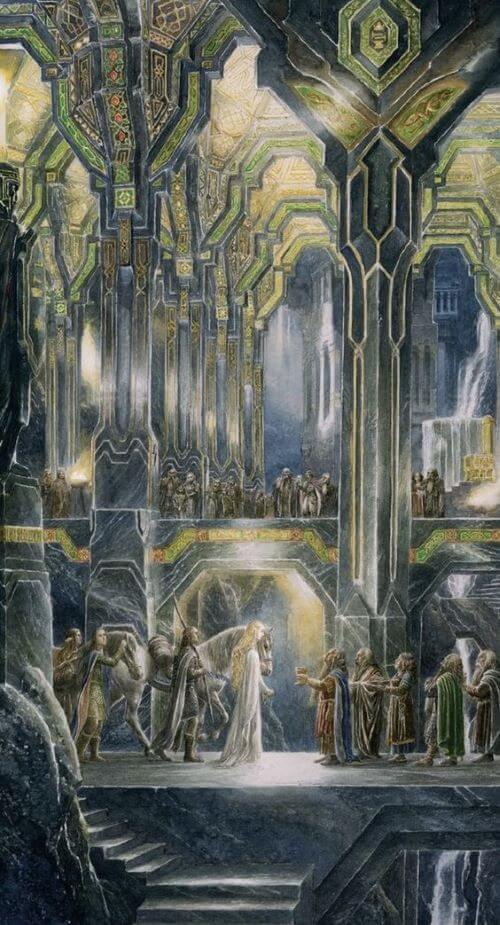
Building a high fantasy world involves creating a setting that is not only imaginative but also deeply integrated into the narrative. By focusing on these unique elements, you can craft a world that feels both immersive and original. Embrace the depth and detail that high fantasy allows, and let your creativity shape a realm that captivates and engages your readers. Happy world-building!
I hope this was helpful. Let me know if you have questions or suggestions by using the Contact Me form on my website or by writing a comment. I post every Friday and would be grateful if you would share my content.
If you want my blog delivered straight to your inbox every month along with exclusive content and giveaways, please sign up for my email list here.
Let’s get writing!
Copyright © 2024 Rebecca Shedd. All rights reserved.
The Worldbuilder’s Toolkit: Character Integration into Your World
Posted on November 22, 2024 Leave a Comment
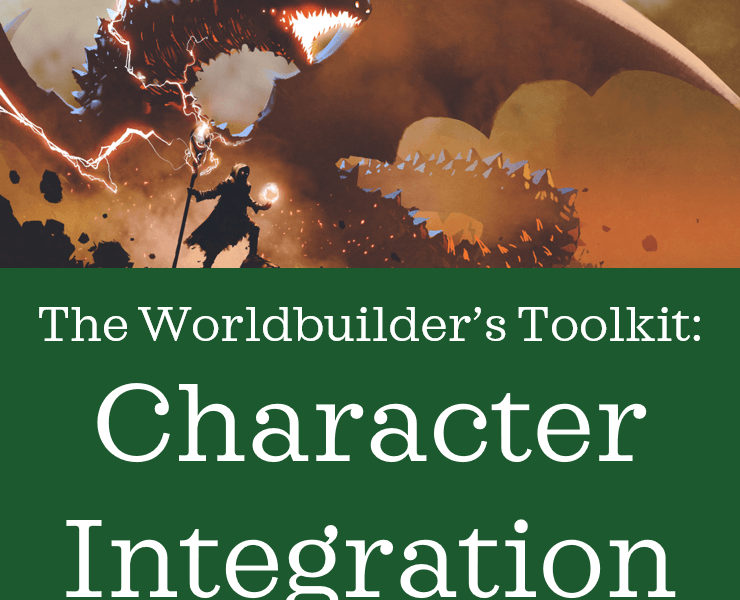
When building a fantasy or science fiction world, creating characters who feel integral to that world is key to crafting a compelling and immersive story. Characters should not only fit within the setting but also drive and be driven by the world around them. Seamless integration of characters into their environments enriches the narrative and helps readers fully engage with both the characters and the world. Here’s how writers can ensure their characters are woven into their fantasy or science fiction worlds in a meaningful and impactful way.
The Basics of Character Integration
Establish a Strong World Foundation
Before integrating characters, it’s crucial to have a well-defined world. This includes its geography, politics, culture, and history. Characters need to have a clear place within this framework. For example, if your world features a complex political system, think about how a character’s role within that system affects their motivations and actions. If your world is rife with magical phenomena, consider how these elements influence the character’s daily life and personal journey.
In Brandon Sanderson’s Mistborn series, the unique magic system of Allomancy directly influences the protagonist, Vin. Her abilities shape her role in the political upheaval and drive her personal growth, making her integration into the world both natural and pivotal.
Develop Character Backgrounds Aligned with World History
Characters should have backstories that reflect and interact with the world’s history. This helps make their experiences and motivations feel authentic. A character’s past should be influenced by major world events, cultural norms, and societal structures.
Understand key historical events in your world and incorporate them into your characters’ backstories. For example, if your world has recently emerged from a devastating war, a character might be a veteran, an orphan, or a member of a resistance group formed during the conflict.
Reflect how historical events have shaped cultural norms and societal values. A character from a culture that has undergone a revolution may have different values and outlooks than one from a more stable region.
Ensure that your character’s personal history is influenced by and reflects the broader historical events. For instance, a character might be driven by a personal vendetta tied to a historical injustice or be working to restore their family’s honor after a significant historical loss.
Consider how a character’s family history connects to the larger world events. This could involve hereditary roles, long-standing rivalries, or historical achievements that affect the character’s status and motivations.
Reflect on how significant changes in the world, such as the rise of a new political regime or a technological breakthrough, have impacted your character’s life. This could be reflected in their status, job, or personal conflicts.
In The Name of the Wind by Patrick Rothfuss, Kvothe’s background as an orphan and his experiences with a traveling troupe tie deeply into the world’s lore and its political unrest, giving his personal story relevance and depth.
Create Meaningful Personal Motivations
Characters should have motivations that resonate with the world’s circumstances. Their goals and desires should be influenced by the world’s conflicts, opportunities, and challenges. This not only adds depth to the characters but also drives the plot forward in a way that feels natural.
In Dune by Frank Herbert, Paul Atreides’ motivations are deeply tied to the political intrigue and environmental challenges of Arrakis. His quest for revenge and his destiny as the Kwisatz Haderach are directly linked to the planet’s spice economy and its cultural significance.
Incorporate Cultural Elements into Character Design
Cultural aspects such as traditions, norms, and societal roles should influence character design. Characters should reflect the values and customs of their world, from their clothing and speech to their behaviors and beliefs.
In The Broken Empire trilogy by Mark Lawrence, the protagonist Jorg Ancrath’s ruthless nature and actions reflect the brutal, survival-of-the-fittest culture of his world, adding layers to his character and providing a critique of his society.
Integrate Characters with Technology & Magic
If your world features advanced technology or magic, ensure that your characters’ interactions with these elements are consistent and meaningful. Characters should either have access to, be influenced by, or struggle against the technological or magical aspects of their world.
In Altered Carbon by Richard K. Morgan, the protagonist, Takeshi Kovacs, navigates a world where consciousness can be transferred between bodies. His personal struggles and motivations are shaped by this technology, influencing his actions and interactions with other characters.
Show Character Development Through World Interaction
Characters should evolve as they interact with the world around them. Their experiences should shape their growth and decisions, leading to a natural progression in their development. This interaction can be shown through their responses to world events, their adaptation to changing environments, or their involvement in major plot points.
In The Expanse series by James S. A. Corey, the characters’ development is deeply intertwined with the political and social upheavals in the solar system. Their growth is directly influenced by their reactions to events such as the discovery of the protomolecule and the resulting interplanetary tensions.
Use Character’s Personal Stakes to Reflect World Conflicts
Personal stakes should reflect and amplify the larger conflicts of the world. By aligning a character’s personal challenges with the world’s major issues, you create a more engaging and cohesive narrative.
In Game of Thrones by George R.R. Martin, characters such as Jon Snow and Daenerys Targaryen have personal stakes that reflect the broader conflicts of the Seven Kingdoms and beyond. Their personal journeys are entwined with the political and social upheavals of their world.
Reflect Character’s Personal Motivations as a Window into World-Building
A character’s personal motivations often reveal much about the world they inhabit. By aligning characters’ goals, desires, and conflicts with the world’s broader dynamics, writers can offer readers a deeper understanding of the setting. Motivations can highlight societal norms, cultural values, and historical conflicts, providing a nuanced view of the world.
A character’s ambitions or fears can reflect societal values. For instance, a character striving for political power in a world where leadership is highly prized underscores the importance of status and influence within that society.
Characters driven by personal honor or family legacy can reveal cultural attitudes towards these concepts. A character’s quest to restore their family’s honor might reflect a culture’s deep-seated values around lineage and reputation.
Motivations linked to past events can shed light on the world’s history. A character seeking revenge for a historical injustice can highlight unresolved conflicts and historical grievances that shape current societal tensions.
Characters motivated by wealth or resources can reveal economic conditions and priorities in the world. A mercenary driven by the promise of gold might indicate a society where wealth is a significant motivator, and economic disparities are pronounced.
Characters whose motivations are influenced by technology or magic can provide insight into how these elements shape daily life and societal structures. A character seeking to control a powerful magical artifact might reflect the importance of magical power in their world.
In The Wheel of Time by Robert Jordan, Rand al’Thor’s journey is driven by his role as the Dragon Reborn, a figure central to the world’s prophecy. His motivations reveal the religious and cultural significance of prophecy and its impact on the world’s political and social structures.
Ensure Consistency & Realism
Consistency is key to making characters feel integrated into their world. Ensure that character actions, motivations, and development align with the world’s rules and logic. This consistency helps maintain immersion and believability.
In The Wheel of Time by Robert Jordan, the characters’ abilities and limitations are consistent with the magic system’s rules. The way characters use and react to the One Power reflects the established logic of the world, enhancing realism and immersion.
Reflect Real-World Influences
Drawing inspiration from real-world cultures, historical events, and personal experiences can add authenticity to your characters. Consider how real-world dynamics and experiences can be reflected in your characters’ interactions and development.
In The Kingkiller Chronicle by Patrick Rothfuss, Kvothe’s experiences with different cultures and his background in a traveling troupe reflect the diverse influences of real-world cultures, adding depth and richness to his character and the world.

The Impact of Culture on Character Development
Culture plays a significant role in shaping a character’s identity, values, and behaviors. Characters should not only fit within the setting but also drive and be driven by the world around them. Here’s some ideas of how to incorporate cultural elements into character development.
Cultural Values
A character’s values often reflect the broader cultural values of their society. Consider how a character’s beliefs and priorities align with or conflict with the cultural norms of their world. For instance, a character from a culture that values honor above all else might be driven by a strong sense of duty or a quest to restore their family’s reputation.
In The Last Airbender series, the Fire Nation’s aggressive pursuit of dominance contrasts with the more peaceful and balanced values of the Air Nomads, influencing the protagonist Aang’s personal journey and decisions.
Superstitions & Beliefs
Superstitions and religious beliefs can deeply affect a character’s actions and worldview. Characters might adhere to rituals or traditions that reflect their culture’s beliefs, influencing their behavior and decisions. These elements can add depth to a character’s motivations and create opportunities for conflict and growth.
In The Kingkiller Chronicle by Patrick Rothfuss, the cultural belief in the “Name of the Wind” and its significance to the world’s magic system impacts Kvothe’s journey and understanding of his own powers.
Clothing & Appearance
The way characters dress can reveal a lot about their cultural background and status. Clothing styles, colors, and accessories often reflect societal norms and can indicate a character’s social standing or profession. Use clothing to visually reinforce cultural elements and character traits.
In The Hunger Games by Suzanne Collins, Katniss Everdeen’s clothing reflects her background from the impoverished District 12, contrasting with the opulent and extravagant attire of those from the Capitol.
Religious Beliefs & Practices
Religious beliefs and practices can shape a character’s worldview and actions. Consider how a character’s religion influences their decisions, rituals, and interactions with others. Religious conflicts or alliances can drive plot points and character development.
In The Stormlight Archive by Brandon Sanderson, the religious beliefs of different factions influence their actions and societal structures. The character of Kaladin Stormblessed grapples with his own beliefs and the expectations of his culture throughout the series.
Social Norms & Customs
Social norms and customs shape how characters interact with each other and their environment. These norms can dictate behavior, etiquette, and societal roles. By reflecting these norms in character interactions, writers can create a more immersive and believable world.
In The Name of the Wind by Patrick Rothfuss, the social customs and academic norms of the University influence Kvothe’s behavior and interactions with others, providing insight into the world’s educational system and social structure.
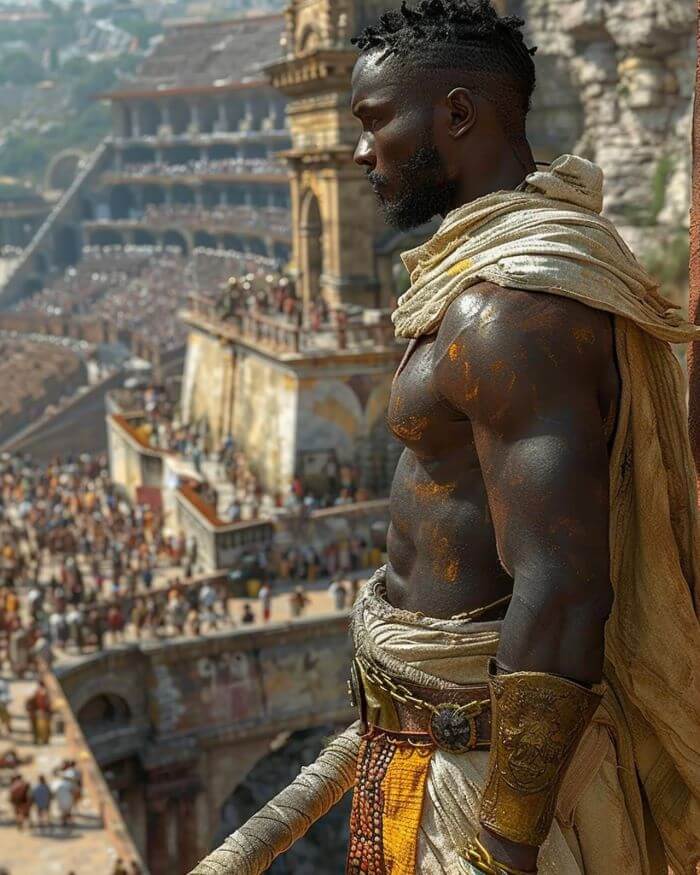
Showing Versus Telling
Integrating characters seamlessly into a fictional world is essential for creating a believable and immersive story. This is especially important in fantasy and science fiction where a writer is building an entire world that the characters need to be connected to. A key technique in achieving this integration is understanding the difference between “showing” and “telling,” and applying these techniques effectively to convey a character’s place in their world.
Showing involves illustrating aspects of your characters and world through actions, dialogues, and sensory details. It allows readers to infer information and draw conclusions based on what they observe. In contrast, telling provides information directly, often through exposition or narration. While both techniques have their place, showing generally creates a more engaging and immersive experience.
Showing
Reveal character traits and relationships through their actions and decisions. For example, rather than stating that a character is brave, show them taking a courageous action.
Use conversations to reveal character motivations, background, and relationships. Characters’ speech patterns and topics of discussion can provide insights into their world.
Describe the environment and the character’s interactions with it. Details such as the smell of a marketplace or the feel of different textures can immerse readers in the setting.
Telling
Provide background information or context directly through narration. This can be useful for setting up the world or explaining complex systems.
Clearly state character traits or world details when necessary, especially if it’s crucial for understanding the plot.
Applying Showing & Telling to Character Integration
To integrate characters seamlessly into your world, use both showing and telling to create a well-rounded depiction of their relationship to the world.
Character Backgrounds
Showing – Instead of telling readers that a character is from a poor background, show their struggle with financial constraints through their actions, such as choosing cheaper, less durable clothing or avoiding luxurious establishments.
Telling – Directly state that the character comes from a poor background and provide a brief overview of their past.
Cultural Impact
Showing – Illustrate how a character adheres to cultural customs by describing their participation in rituals or adherence to local taboos. For instance, if a character avoids certain foods due to cultural beliefs, show their reaction when offered those foods.
Telling – Describe the cultural norms and expectations and then explain how the character follows or deviates from them.
Influence of World Events on Characters
Showing – If a recent war has affected the world, show its impact on your character through their behavior, such as showing signs of PTSD, avoiding certain areas, or participating in post-war recovery efforts.
Telling – Provide a summary of the war’s impact and then state how it has influenced the character’s current situation.
Character Motivations
Showing – Reveal a character’s motivations through their decisions and conflicts. If a character is driven by a desire for revenge, show how their actions and interactions reflect this motivation, such as seeking out those responsible or engaging in risky behavior.Telling – State that the character is motivated by revenge and briefly outline their plans or goals.
Impact of Technology or Magic on Characters
Showing – Demonstrate how technology or magic affects the character’s daily life and interactions. For example, if magic is common in the world, show the character using it in their routine tasks or facing challenges due to its limitations.
Telling – Describe the technological or magical advancements and then explain how the character interacts with or is affected by them.
Balancing Showing & Telling
While showing is often more immersive and engaging, there are times when telling is more practical, especially when conveying necessary background information or complex concepts. The key is to balance both techniques to provide a comprehensive and engaging portrayal of your characters and their world.
Use showing for critical scenes where character development and world-building are crucial. This will allow readers to experience the story more vividly. Employ telling for necessary context that provides readers with a foundational understanding of the world or character. Combine showing and telling to create a layered portrayal of characters. For instance, show a character’s reactions to a cultural festival and tell the significance of the festival in the context of the world’s history.

The Iceberg Theory & Other Schools of Thought
When integrating characters into a fantasy or science fiction world, how much of the world-building should be shown, and how much should remain beneath the surface? Various schools of thought offer different approaches, each influencing how characters interact with and are perceived within their worlds. One of the most influential concepts is the Iceberg Theory, but there are other strategies that can be equally effective.
The Iceberg Theory
This theory, popularized by author Ernest Hemingway, suggests that only a small portion of a story’ details should be visible to the reader, while the majority remains hidden beneath the surface. The visible part—the tip of the iceberg—represents the aspects of the world and characters that are explicitly shown. The submerged part—the bulk of the iceberg—contains the deeper, more complex details that are implied or suggested rather than directly presented.
You can apply this theory to character integration by revealing just enough of the world-building to give readers a sense of the setting and its impact on the characters. For example, if your world has a complex magical system, show characters using magic in their daily lives without delving into the intricate details of how the magic works.
Use subtle hints and references to suggest a rich, complex world. This can be achieved through character interactions, historical references, and cultural practices. For instance, a character might casually reference a past conflict or a revered tradition, giving readers insight into the world’s history without exhaustive exposition.
This approach keeps readers intrigued by leaving some aspects of the world to their imagination. It also allows the story to progress without bogging down in extensive world-building details and adds layers of depth and complexity to the world, encouraging readers to piece together information.
The In-Media-Res Approach
This method introduces characters and plot events in the midst of action or conflict, gradually revealing world-building details through their experiences. Characters might be thrust into a world already in motion, and readers learn about the world as the characters do. This approach keeps the narrative dynamic and immersive. For example, a character escaping from an oppressive regime might learn about the world’s political landscape and history through their interactions with allies and adversaries.
The Exposition Dump
This approach provide extensive background information in one go, usually through a prologue, flashback, or detailed dialogue.While this method can quickly establish the world’s context, it risks overwhelming readers. It’s often used sparingly and balanced with showing to avoid narrative stagnation.
An example of this method would be a prologue describing the world’s history and magic system, followed by scenes that show how these elements impact the characters.
The Embedded Information Approach
This method integrates world-building details into character interactions and plot events naturally, rather than as separate information. World-building is woven into the narrative through characters’ behaviors, dialogue, and reactions, making it a seamless part of the story.
An example could be character conversations about recent political changes or cultural practices reveal the world’s complexities without explicit exposition.

Example of Character Integration: Kaz Brekker
To illustrate how to integrate characters into a fantasy or science fiction world, let’s explore a character from a current book series: Kaz Brekker from Leigh Bardugo’s “Six of Crows” series. Kaz Brekker is a standout example of how a character can be seamlessly woven into a richly developed world, making their background and motivations meaningful while enhancing the overall narrative.
Kaz Brekker is a complex anti-hero with a deeply interwoven personal history that reflects the dark, intricate world of Ketterdam. His character provides a clear example of how integrating a character into a fantastical world can be achieved with depth and nuance.
Background & World-Building
Kaz’s background as an orphan and a street-smart thief in the crime-ridden city of Ketterdam is not just a personal detail; it directly ties into the world-building of the city. The harsh realities of Ketterdam’s criminal underworld and its political intrigues shape Kaz’s character and actions. Ketterdam is a bustling, diverse city with a thriving black market and complex power structures. Kaz’s role as a thief and his deep knowledge of the city’s underbelly highlight its gritty nature and influence on its inhabitants.
Personal Motivations
Kaz’s personal motivations, including his quest for revenge and his desire to build an empire, are intricately linked to the world’s dynamics. His drive to amass wealth and power is a response to the corruption and violence he has witnessed. Kaz’s complex relationship with his past and his strategic mind are shaped by his experiences in Ketterdam. His actions and decisions reflect the city’s harsh realities and the broader political and social struggles within the world.
Cultural & Social Elements
Kaz’s attire, language, and interactions with other characters reflect the culture of Ketterdam. His dark clothing, pragmatic speech, and network of informants are emblematic of the city’s crime-ridden society. Kaz’s leadership and his way of interacting with his crew emphasize the cutthroat, survivalist mentality of Ketterdam’s underworld. His relationships with other characters and his methods reflect the city’s unique culture and social norms.
How Kaz Brekker’s Integration Enhances the Story
Kaz’s actions and interactions with the world reveal much about the setting. The dangerous alliances he navigates are not just plot devices but also serve to showcase the world’s complexities. The heists Kaz orchestrates provide insight into the world’s political and economic structures, as well as the city’s criminal elements. This not only drives the plot but also deepens the reader’s understanding of Ketterdam.
Kaz’s development throughout the series is closely tied to the world around him. His evolution from a vengeful thief to a more nuanced leader is reflective of the changing dynamics within Ketterdam and the broader world. His journey is a direct result of the world’s impact on him and his responses to it.
Kaz’s character and his world are presented with a mix of direct exposition and subtle hints. The depth of Ketterdam’s politics and Kaz’s backstory is revealed gradually, allowing readers to piece together the world’s complexity. This approach maintains intrigue and allows for a deeper understanding of the setting and character.

The Writers Toolkit
Integrating characters seamlessly into your fantasy or science fiction world is essential for creating a compelling and immersive story. Integrating characters effectively ensures that they not only fit seamlessly into their environment but also contribute meaningfully to the unfolding story. Here are some practical tips to ensure that your characters feel like a natural part of their world and contribute meaningfully to the narrative.
Consistency Checks – Regularly review how characters interact with the world to maintain consistency and realism. Ensure that world-building details are consistent with the characters’ backgrounds and the story’s setting. Avoid introducing elements that feel out of place or disrupt the narrative flow.
Develop a Deep Understanding of Your World – Before integrating your characters, thoroughly develop your world’s geography, history, culture, politics, and social norms. Understanding the nuances of your world will help you align your characters’ backgrounds, motivations, and actions with their environment. If your world has a strict caste system, consider how this impacts your character’s opportunities, social interactions, and personal aspirations.
Align Character Backgrounds with World History – Ensure that your characters’ backstories are influenced by the world’s history and major events. Their experiences should reflect the significant occurrences that have shaped the society they live in. Ensure that characters’ actions and decisions have a tangible impact on the world and vice versa. For example, a character from a war-torn region should have personal stakes related to that conflict, such as loss or a quest for revenge.
Embed Cultural Influences in Character Traits – Infuse your characters with elements from their cultural background, such as traditional values, customs, language, and attire. This helps ground them in their world and makes their behavior more authentic. A character from a culture that values honor might have a strong sense of duty and display specific rituals or gestures that reflect their upbringing.
Show, Don’t Just Tell – Use your characters’ actions, choices, and dialogue to reveal their connection to the world. Avoid lengthy expository passages and instead show how the world influences their decisions and behavior. Use a mix of showing and telling to reveal world-building details gradually. Allow characters to discover and interact with the world in ways that reveal its depth. Drop subtle hints about the world’s deeper elements, allowing readers to piece together information. This approach maintains intrigue and encourages engagement. Instead of stating that a character is a skilled warrior, show them using their combat skills in a way that highlights their training and the martial culture they come from.
Incorporate Personal Motivations – Characters’ personal motivations should be tied to the world’s dynamics. Their goals and conflicts should be influenced by their environment, making their journeys feel relevant and impactful. A character seeking to uncover hidden magical artifacts might be driven by a prophecy or historical legend relevant to their world.
Use Environmental Challenges – Create challenges and obstacles that are unique to your world and affect your characters. These can include environmental hazards, political conflicts, or resource shortages that impact their journey and decisions. For example, in a world with frequent magical storms, characters might need to navigate hazardous weather conditions, influencing their travel plans and interactions.
Introduce World-Specific Skills & Knowledge – Characters should possess skills or knowledge that are specific to their world. These can be related to magic, technology, or cultural practices and should influence how they interact with their environment. A character with knowledge of ancient runes could use this expertise to unlock magical secrets or solve problems that are unique to their world.
Create Meaningful Relationships – Develop relationships between characters that reflect their world’s social structures and cultural norms. These relationships can highlight various aspects of your world and deepen character interactions. A character might have a mentor-mentee relationship that reflects a traditional apprenticeship system or a rivalry based on political factions.
Balance Internal & External Conflicts – Ensure that your characters’ internal conflicts are intertwined with external world events. This integration helps make their personal struggles feel significant and connected to the broader narrative. A character’s struggle with self-doubt might mirror a larger societal conflict, such as a revolution or cultural shift.
Utilize the Iceberg Theory – Apply the Iceberg Theory by providing only part of the world’s depth and complexity directly in the narrative. Allow readers to infer the broader context and background, which enhances immersion and intrigue. Drop subtle hints about a character’s past or the world’s history through dialogue, artifacts, or brief flashbacks, encouraging readers to piece together the full picture.
Character Perspectives – Filter world-building through the characters’ experiences and perspectives. Their observations and reactions provide insight into the world’s complexities.

By focusing on these elements, you can create characters who feel deeply integrated into your fantasy or science fiction worlds, making for a more immersive and engaging narrative. Characters become more than just participants in the plot—they become authentic representatives of their world’s culture and values, enhancing the depth and believability of your story. Happy world-building!
I hope this was helpful. Let me know if you have questions or suggestions by using the Contact Me form on my website or by writing a comment. I post every Friday and would be grateful if you would share my content.
If you want my blog delivered straight to your inbox every month along with exclusive content and giveaways, please sign up for my email list here.
Let’s get writing!
Copyright © 2024 Rebecca Shedd. All rights reserved.
 Rebecca Shedd - Author