
The Writer’s Guide to Heatstroke and Dehydration
Posted on November 7, 2025 Leave a Comment
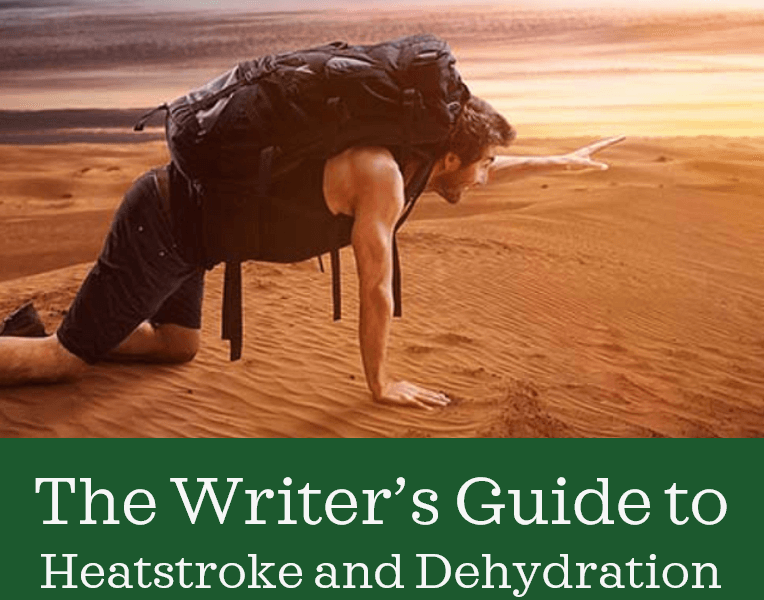
Extreme heat can be just as dangerous and narratively rich as any battlefield injury. For writers, depicting heatstroke and dehydration accurately can raise tension, add realism, and create both physical and emotional challenges for your characters. Whether your setting is a scorching desert, a futuristic mining colony, or a medieval battlefield in midsummer, understanding the science behind these conditions will make your writing more immersive.
Understanding the Difference
Dehydration occurs when the body loses more fluids than it takes in, reducing its ability to function normally. It’s often the precursor to more serious heat-related illnesses.
Heatstroke is a severe, life-threatening condition caused by the body’s inability to regulate its temperature, often because of prolonged heat exposure. While dehydration can lead to heatstroke, heatstroke can also occur even when a person is adequately hydrated if the heat and humidity overwhelm their cooling mechanisms.
Symptoms of Dehydration
Mild to Moderate:
Thirst
Dry mouth and cracked lips
Headache
Fatigue
Dark, concentrated urine
Reduced urination
Severe:
Dizziness and confusion
Sunken eyes
Rapid heartbeat
Low blood pressure
No sweating or urination
Symptoms of Heatstroke
Early Signs (Heat Exhaustion Stage):
Heavy sweating
Weakness or dizziness
Nausea and vomiting
Muscle cramps
Rapid, shallow breathing
Progression to Heatstroke:
Body temperature above 104°F (40°C)
Hot, dry skin (sweating stops)
Severe confusion or delirium
Seizures
Loss of consciousness
Risk of organ failure and death
Tip: Heatstroke often comes with confusion and disorientation, which can make for tense, unreliable POV scenes where the reader experiences the symptoms alongside the character.
Dangers
For Dehydration: Kidney damage, shock, and increased susceptibility to heat injuries.
For Heatstroke: Permanent brain damage, heart strain, multi-organ failure, and death within hours if untreated.
In both cases, the danger increases rapidly if physical exertion continues or if the character is in a setting without shade, water, or cooling methods.
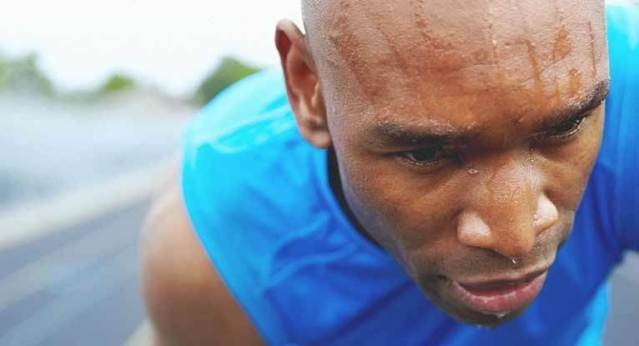
Recovery Process
Dehydration
Mild cases resolve with rest, cool shade, and oral rehydration (water or electrolyte solutions).
Severe dehydration may require IV fluids and monitoring for electrolyte imbalances.
Heatstroke
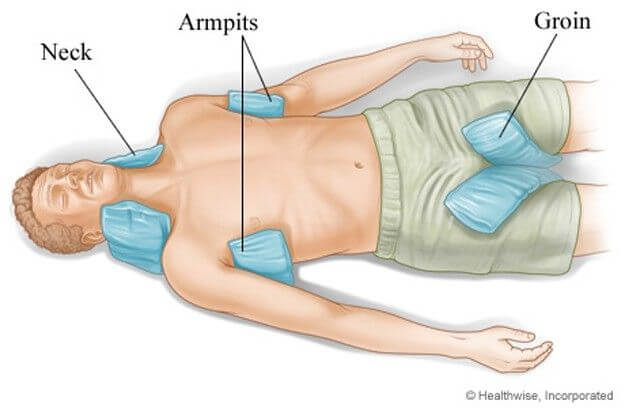
Immediate, aggressive cooling is essential (ice packs to neck, armpits, and groin; cold water immersion; wet cloths with fanning).
Medical care is necessary to monitor organ function.
Full recovery can take days to weeks depending on severity, and some victims suffer lingering weakness or heat sensitivity.
Writing Tips for Authenticity
Show, Don’t Tell Symptoms: Instead of stating “he had heatstroke,” let the reader experience blurred vision, confusion, slowed reactions, and the character’s inability to sweat.
Pace the Decline: Heat injuries usually develop over hours, but under extreme conditions, they can escalate in minutes. Let your readers feel that progression.
Use the Environment: Describe shimmering horizons, the oppressive weight of the air, and the sting of sunlight on overheated skin to make the setting itself feel dangerous.
Incorporate Cognitive Changes: Decision-making and perception falter with both dehydration and heatstroke, which can be a great way to complicate survival scenes or combat.
Show Aftermath: Even after treatment, characters may feel weak, dizzy, or mentally foggy, sometimes for days.
Example: The sand was swallowing him, each step heavier, slower. Sweat had stopped an hour ago. The world had narrowed to white glare and the rasp of his breath. He saw the oasis ahead. No, not an oasis. The green dissolved into heat haze, and he stumbled, hitting the ground hard. It burned. Everything burned.

Genre Variations in Depicting Heatstroke and Dehydration
While the physiological effects of heatstroke and dehydration are consistent across time, the causes, treatments, and narrative emphasis can vary depending on genre. Setting, technology, and cultural understanding of heat-related illness shape how you portray these conditions.
Common Causes in All Settings
Prolonged exposure to high temperatures
Intense physical exertion in hot environments
Lack of access to clean drinking water
Wearing heavy or non-breathable clothing or armor
Illnesses that impair the body’s cooling ability
Contemporary Fiction
Causes
Outdoor work in extreme heat (construction, firefighting, agriculture)
Endurance sports and marathons
Urban heatwaves, especially in poorly ventilated apartments
Stranded travelers in deserts or remote wilderness
Depiction Notes
Modern readers expect medically accurate symptoms.
You can use POV to highlight confusion, hallucinations, and poor judgment.
Treatments will be quick to administer (paramedics, IV fluids, electrolyte packs) unless isolation prevents it.
Example: A hiker in Arizona’s summer heat pushes past their limits, convinced they can reach the car without resting, only to collapse a hundred yards from safety.
Historical Fiction
Causes
Forced marches under the summer sun
Naval voyages in the tropics without adequate fresh water
Siege warfare in hot climates with limited shade
Labor in fields or quarries with minimal breaks
Depiction Notes
Historical figures often lacked a modern understanding of heat injuries. They might attribute collapse to “weak constitution,” “sun fever,” or “bad humors.”
Period-accurate clothing (wool uniforms, heavy armor) can intensify risk.
Cooling methods were limited: shade, wet cloths, and whatever water was available.
Example: During the construction of an ancient pyramid, workers collapse under the sun. Overseers blame laziness, not realizing dehydration is killing their laborers.

Fantasy
Causes
Long desert treks or crossing volcanic plains
Wearing magical armor that traps heat
Magical curses or spells that raise body temperature
Beasts of burden dying from heat, forcing characters to carry heavy loads themselves
Depiction Notes
You can adapt the environment beyond real-world limits: suns that burn hotter, cursed lands radiating magical heat, or underground forges with oppressive conditions.
Healing magic could stop symptoms instantly, but consider the consequences: Does it cure the damage or just mask it, allowing the character to push themselves to death?
Cultures might have elaborate desert survival rituals, enchanted waterskins, or heat-warding amulets.
Example: A caravan crossing the Blistering Wastes depends on an ice-mage to keep temperatures bearable. When the mage collapses from heatstroke, the group must choose between pressing on or risking death in the open sands.
Science Fiction
Causes
Terraforming projects on hot planets
Malfunctioning environmental controls on spaceships or colonies
Exposure to alien suns or multiple-star systems
Combat in powered armor that overheats because of system failure
Depiction Notes
Advanced tech might offer rehydration packs, instant electrolyte injections, or wearable cooling systems.
Alien physiology could change what “heatstroke” looks like. Some species may expel excess heat through unique biological processes or be vulnerable to temperatures humans find mild.
Artificial gravity or atmospheric differences could worsen dehydration.
Example: On a mining outpost orbiting a desert planet, the heat is so intense that protective suits are essential. When a miner’s cooling unit malfunctions deep in the tunnels, they must navigate back while hallucinations blur reality.
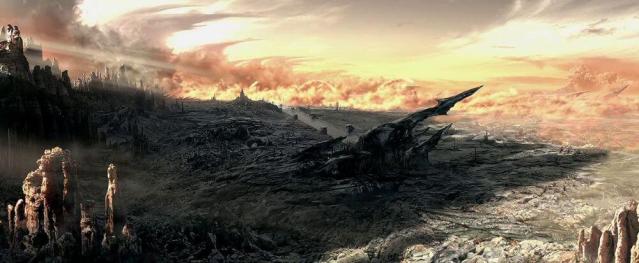
Treatments for Heatstroke and Dehydration Across Time and Genres
In fiction, how people treat heat-related illnesses varies widely depending on the era, setting, and resources. From ancient trial-and-error remedies to futuristic medical marvels, the treatment of heatstroke and dehydration is a rich area for world-building.
Ancient World
Ancient physicians recognized collapse from heat but often misunderstood the cause.
Likely Treatments
Moving the patient into shade or a cool indoor space
Pouring or dabbing water on the head and body
Administering water or diluted wine if the patient could swallow
Herbal infusions (mint, chamomile, barley water) to “cool” the body
Avoiding cold water directly on overheated skin for fear of “shock to the system”
Tip: Characters in ancient settings may refuse water because of superstition or give the wrong fluid entirely (like undiluted wine or beer, which could worsen dehydration).
Middle Ages
The concept of “heat illness” still tied to humors, especially an excess of “choler” (yellow bile). People sometimes interpreted collapse as a divine sign or punishment.
Likely Treatments
Rest in shaded or stone buildings
Application of cool cloths or sponging with water from wells or streams
Offering ale or watered wine (often unsafe by modern standards)
Bleeding or purging in severe cases (which could be lethal)
Herbal remedies: lemon balm, rosewater, and vinegar compresses
Tip: Medieval treatments often helped by accident. Shade and fluids worked, but bleeding weakened the patient further. Survival often depended more on the environment than skill.
18th and 19th Centuries
Colonial expansion and military campaigns in hot climates increased awareness of heat-related illness. Terms like “sunstroke” and “heat apoplexy” entered common use.
Likely Treatments
Getting the patient into a shaded, ventilated area
Loosening clothing (sometimes cutting off uniforms)
Pouring water over the head and chest
Applying cool, damp cloths to the neck, armpits, and groin
Giving small sips of water or tea
In severe cases, use of ice if available (especially in colonial outposts)
Still occasional use of bleeding, though increasingly questioned by doctors
Tip: Military medical manuals from this era often stressed discipline over health. The army punished soldiers who fell out because of heat.
Modern and Contemporary Medicine
Likely Treatments For Dehydration
Oral rehydration solutions (ORS) with water, salts, and sugars
IV fluids for severe cases
Monitoring electrolytes and kidney function
Likely Treatments For Heatstroke
Immediate cooling. Ice water immersion or ice packs to major arteries.
Evaporative cooling with mist and fans
Removing restrictive clothing
Oxygen supplementation if needed
Hospital monitoring for organ damage
Tip: Modern emergency care makes heatstroke highly survivable if treated quickly, but remote or disaster scenarios can revert characters to older, improvised methods.
Fantasy Treatments
Likely Treatments
Herbal and Alchemical Cooling: Potions brewed from frostmint or glacial flowers to rapidly drop body temperature.
Magical Cooling Spells: Controlled blasts of cold air or enchanted stones that radiate chill, though careless use could induce hypothermia.
Enchanted Water Skins: Never empty, always chilled to the perfect temperature.
Ritual Recovery: Priests or healers calling on water or ice spirits to restore balance to the body.
Twist for Writers: Healing magic could mask symptoms without fixing underlying dehydration, allowing a character to collapse hours later without warning.
Science Fiction Treatments
Likely Treatments
Instant Rehydration Packs: Gel-based fluids absorbed orally or through the skin.
Nanobot Regulation: Machines in the bloodstream detect heat stress and adjust hydration and electrolyte balance instantly.
Thermal Regulation Suits: Exosuits that monitor core temperature and activate cooling panels or mist systems.
Cryogenic Stabilization: Short-term cold stasis to prevent organ failure until full medical care is available.
Twist for Writers: Advanced medicine can make heat injuries seem trivial, but what happens when tech fails or when an alien body reacts unpredictably to human cooling methods?
Plot and Character Ideas
The Last Water Break
Genre: Contemporary Survival Drama
Plot Idea: A rookie wildland firefighter becomes separated from their crew during a record-breaking heatwave. With only a half-empty canteen and a broken radio, they must navigate burning terrain to find their way back.
Character Angle: Driven to prove themselves, the protagonist ignores early warning signs of dehydration, convinced they can tough it out. Hallucinations blur memory and reality.
Twist(s): They find their way back to camp but the “camp” is a mirage, and rescue comes from an unexpected source: a rival firefighter they clashed with earlier in the season.
March Under the Sun
Genre: 19th-Century Military Fiction
Plot Idea: During a colonial military expedition, a small detachment is ordered to march through arid desert terrain to deliver critical dispatches. Soldiers collapse one by one, their canteens long emptied.
Character Angle: The protagonist, a medic’s apprentice, must decide whether to defy orders and halt the march to save lives or press forward and risk everyone.
Twist(s): When they finally reach their destination, the “urgent orders” they carried are too late. The crisis they were trying to avert has already happened.
The Blistering Wastes
Genre: Epic Fantasy Adventure
Plot Idea: A band of desert-crossing adventurers loses their enchanted water skin after a skirmish with sand raiders. With magic suppressed by a sun curse, they must rely on survival skills instead of spells.
Character Angle: A desert-born guide, shunned by the group as superstitious, becomes the only one capable of navigating the heat while others succumb to dehydration and heatstroke.
Twist(s): The curse was cast not by their enemies, but by one of their own, to keep a dangerous magical relic from reaching civilization, even at the cost of the party’s lives.
Solar Drift
Genre: Sci-Fi Survival Thriller
Plot Idea: A ship transporting colonists suffers a systems failure, forcing an emergency landing on a searingly hot planet. With environmental controls down and water supplies limited, the survivors must trek to a distant supply cache before their bodies give out.
Character Angle: The protagonist is a planetary geologist who knows the terrain but has a rare metabolic condition making them more susceptible to heatstroke.
Twist(s): The “supply cache” turns out to be an alien structure that offers shelter but also emits a heat signature so intense that staying too long is deadly.
The Mirage Killers
Genre: Crime/Adventure Hybrid
Plot Idea: A group of treasure hunters in North Africa suffers multiple heatstroke-related deaths under suspiciously similar conditions. A lone detective suspects deliberate sabotage: someone tampering with the water supplies.
Character Angle: The protagonist is an ex-soldier with PTSD from a desert war, whose own dehydration episodes trigger painful flashbacks while piecing together the mystery.
Twist(s): The killer’s motive isn’t greed; it’s revenge for an ancient betrayal tied to the treasure’s original theft.
Marathon in the Fire Season
Genre: Sports Drama
Plot Idea: An elite runner is determined to finish a charity ultramarathon during a record-breaking heatwave, ignoring the race doctor’s warnings. As temperatures soar, competitors drop out, and the route becomes a fight for survival.
Character Angle: The protagonist’s obsession with finishing stems from a promise made to their late sibling, but their body shuts down from heatstroke.
Twist(s): A rival runner sacrifices their own shot at victory to save them, forcing the protagonist to reevaluate what winning really means.
Salt Road
Genre: Ancient Trade Caravan Drama
Plot Idea: A merchant caravan crosses the Sahara during an unusually harsh dry season. Water rations run dangerously low, and whispers of sabotage spread when the oasis they counted on is found bone dry.
Character Angle: A young apprentice tries to prove themselves to the caravan master, risking their health by carrying water to the weakest travelers.
Twist(s): A rival caravan’s plot to take over their trade route included poisoning the oasis, not drying it up.
The Cinder March
Genre: Dark Fantasy
Plot Idea: An army marches across scorched volcanic plains to attack a fortress, but the enemy uses heat magic to sap their strength, inducing mass dehydration before battle even begins.
Character Angle: A healer with limited magic must ration their cooling spells, deciding who lives and who dies.
Twist(s): The protagonist realizes the heat magic isn’t from the enemy; it’s from the army’s own general, seeking to thin the ranks of dissenters before the siege.
Red Sands Protocol
Genre: Sci-Fi Political Thriller
Plot Idea: On a desert colony world, the planetary governor restricts water to punish rebellious settlements. A smuggler agrees to transport illicit water supplies through the dunes, but their vehicle’s cooling system fails mid-journey.
Character Angle: The smuggler is secretly transporting a child with a rare genetic condition, making them more vulnerable to dehydration, forcing dangerous route changes.
Twist(s): The “child” is a genetically engineered diplomat intended to end the rebellion, if they survive.
Tide of Thirst
Genre: Survival Thriller
Plot Idea: After a small boat capsizes in tropical waters, survivors wash up on a sunbaked atoll with no fresh water source. Their slow dehydration turns tense cooperation into paranoia.
Character Angle: The protagonist, a marine biologist, knows they can collect drinking water from condensation stills, but another survivor sabotages them, believing only the strongest should live.
Twist(s): The saboteur isn’t trying to kill the group; they’re trying to lure in a passing fishing boat by forcing someone to attempt a dangerous ocean swim for help.
Snow Without Melt
Genre: Survival Fantasy
Plot Idea: A magical curse blankets a desert in snow that never melts. Travelers believe they are safe from dehydration until they realize the snow is magically inert and provides no moisture when eaten.
Character Angle: A scholar of magical ecology races to find the source of the curse while hiding their own worsening dehydration.
Twist(s): The curse is a defense mechanism cast by the desert’s guardian spirit to keep out an invading army. Breaking it could doom the land.

I hope this was helpful. Let me know if you have questions or suggestions by using the Contact Me form on my website or by writing a comment. I post every Friday and would be grateful if you would share my content.
If you want my blog delivered straight to your inbox every month along with exclusive content and giveaways, please sign up for my email list here.
Let’s get writing!
Copyright © 2025 Rebecca Shedd. All rights reserved.

The Writer’s Guide to Frostbite and Hypothermia
Posted on October 24, 2025 Leave a Comment
From alpine fantasy quests to crash-landed astronauts on an icy moon, cold exposure is a rich and dramatic source of conflict in fiction. But to write it convincingly and avoid falling into Hollywood tropes, you’ll need to understand the real dangers of cold, especially frostbite and hypothermia.
The Difference Between Frostbite and Hypothermia
Though they often occur together, frostbite and hypothermia are not the same thing.
Frostbite
Localized cold injury
Occurs when skin and underlying tissue freeze
Affects fingers, toes, ears, nose, cheeks
Visible signs: discoloration, numbness, hard skin
Hypothermia
Whole-body condition
Occurs when core body temp drops below 95°F (35°C)
Affects brain, heart, lungs, muscles
Systemic signs: shivering, confusion, slurred speech, drowsiness

The Effects of Cold on the Human Body
Cold can be insidious. The early stages of cold injury rarely hurt, they numb. This makes it dangerously easy for characters to push past warning signs.
What Happens When Cold Sets In?
Vasoconstriction: Blood vessels near the surface narrow to conserve heat.
Shivering: Muscle contractions generate heat.
Numbness: Extremities lose feeling.
Slowed metabolism: Organs underperform.
Loss of coordination and judgment: Especially in hypothermia.
Tissue freezing or organ failure: If cold continues unabated.
Understanding Frostbite
Frostbite occurs when tissue freezes, usually on fingers, toes, ears, nose, and cheeks. Doctors classify severity into degrees, similar to burns.
Symptoms by Stage
Frostnip: Skin is pale and cold but not frozen. Tingling or numbness. Reversible.
Superficial Frostbite (1st and 2nd degree): Skin may blister. Tissue is firm but not deeply frozen.
Deep Frostbite (3rd and 4th degree): Skin is blue or black. Tissue is hard, dead, and may require amputation.
Key Symptoms
Numbness or loss of sensation
Pale, waxy, or grayish skin
Hard or frozen areas
Blisters or blackened skin during rewarming
No pain initially, then severe pain as tissue thaws
Tip: Characters may not realize they have frostbite until it’s too late.

Understanding Hypothermia
Hypothermia is a life-threatening drop in core body temperature and can occur even without frostbite. It kills not through freezing limbs but by shutting down organs.
Symptoms by Stage
Mild (95–89°F): Shivering, confusion, poor coordination
Moderate (89–82°F): Slurred speech, drowsiness, lack of shivering
Severe (<82°F): Unconsciousness, slow or irregular heartbeat, death
People often stop shivering as hypothermia worsens, not because they’re better, but because they’re closer to death.
Risk Factors
Wet clothing
Wind exposure
Immobility
Poor nutrition
Alcohol or drugs (which impair heat regulation)
Recovery and Treatment
Frostbite Treatment
Rewarm gradually: Warm water baths (not dry heat or rubbing).
Avoid walking on frozen limbs: Can cause more damage.
Pain relief: Rewarming is extremely painful.
Debridement or amputation: For dead tissue.
Tetanus shot and antibiotics: To prevent infection.
Hypothermia Treatment
Remove wet clothing and insulate the person.
Passive rewarming: Blankets, warm room, body heat.
Active rewarming: Warm IV fluids, heated air, blood rewarming (in hospitals).
Do not massage or jostle severely hypothermic people. They’re at risk of cardiac arrest.
Realistic Recovery Timeline
Mild frostnip or hypothermia: Hours to days.
Severe frostbite: Weeks of monitoring for tissue death.
Deep frostbite or moderate-severe hypothermia: Can cause permanent disability or death.

Writing Tips: Cold Injuries in Fiction
Use sensory details: “Her fingers felt like wood. She couldn’t feel the thread, only the drag of motion.”
Pace the injury: Cold damage builds slowly, making it a great way to create dread.
Combine psychological and physical effects: Hypothermic characters may act drunk or reckless.
Show consequences: Scars, amputations, PTSD, or even phantom limb pain.
Avoid clichés: People don’t usually survive being buried in snowbanks for hours. Magic or tech should come with rules or costs.
Genre-Specific Depictions of Frostbite and Hypothermia
This is a breakdown of how to tailor frostbite and hypothermia to genre, which helps you adapt them realistically or imaginatively whether you’re writing a contemporary thriller, a medieval saga, a fantasy epic, or science fiction.
Contemporary Fiction
Causes
Outdoor exposure: Hikers, mountaineers, survivalists, or lost children.
Accidents: Car breakdowns in snowstorms, falling through ice.
Neglect: Homelessness or abuse.
Risky behavior: Alcohol use in cold climates, dare-based challenges.
Depiction Tips
Use realistic timing: Mild hypothermia can set in within hours; frostbite depends on wind chill and wetness.
Characters may ignore early warning signs, thinking they’re just cold or numb.
Incorporate modern tools: Cell phones with dying batteries, GPS that fails, search and rescue procedures.
Psychological effects matter: Impaired thinking, apathy, paranoia, and irrational stripping of clothes (a real phenomenon called paradoxical undressing).
Example: A solo climber ignores a weather warning to complete his ascent and slowly succumbs to cold-induced hallucinations and creeping frostbite in his fingers.

Historical Fiction
Causes
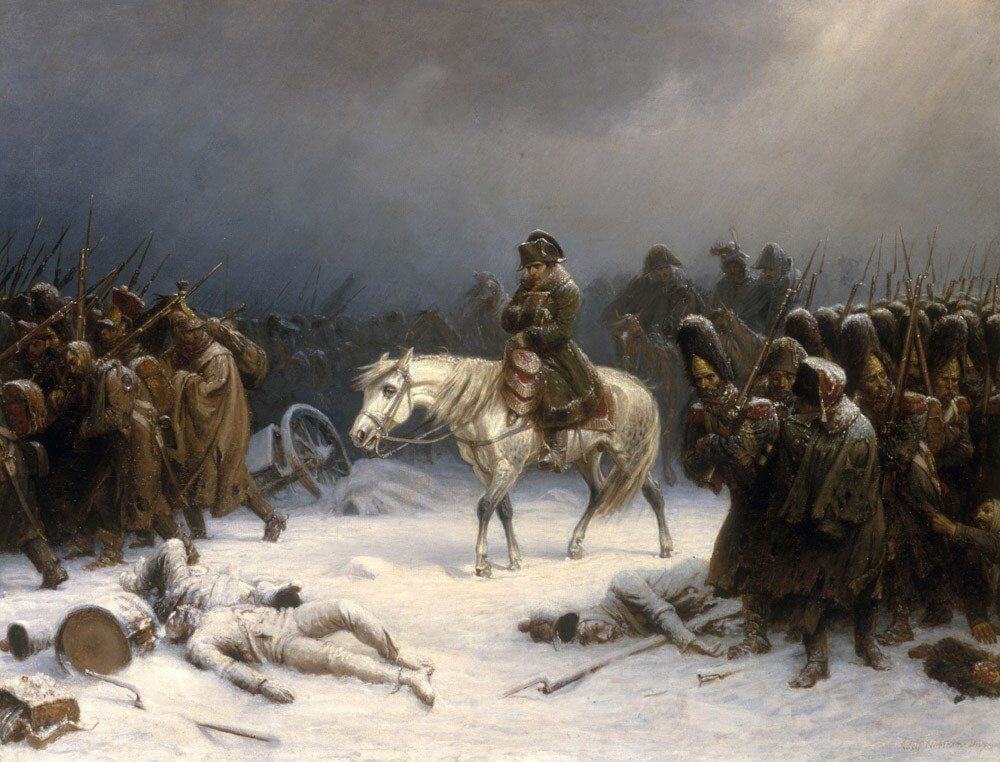
Military campaigns: Armies marching in winter without proper gear (e.g., Napoleon’s retreat from Russia, WWI trench warfare).
Voyages: Shipwrecks, Arctic expeditions, or explorers trapped in snowbound mountain passes.
Common folk: Peasants, pilgrims, or travelers caught in a blizzard or frozen river crossing.
Depiction Tips
Emphasize limited knowledge and superstition: People may only have a basic understanding of cold. A character may suffer from hypothermia or frostbite, but may be unaware of what damage is occurring.
Treatments are primitive: Rubbing frostbitten limbs, heating by fire (often dangerously), or cauterizing blackened flesh.
Severe cases might lead to amputation without anesthesia.
Characters might die of infection or pneumonia days later.
Example: A medieval messenger braves a blizzard to deliver war orders, suffering frostbite in his feet. He completes the mission but loses his toes and his livelihood.
Fantasy
Causes
Magical environments: Cursed forests, eternal winter landscapes, enchanted glaciers.
Ice-elemental enemies or spells: Frost breath, touch of a wight, or exposure to magical artifacts.
Quests and travel: High-altitude crossings, enchanted storms, or mystical trials involving cold.
Depiction Tips
Let your world’s rules shape cold exposure: Is frostbite slower or faster in magic-rich places?
Create fantasy treatments: Fire-sprites that heat flesh gently, enchanted warming salves, divine interventions, or life-draining healing magic.
Cold injuries could symbolize more: A curse, a test of will, or a physical cost for power.
Example: A fire mage journeys into a cursed glacial canyon to recover an artifact. Her immunity to heat makes her especially vulnerable to cold, leading to early-onset hypothermia and mystical frostbite that blunts her power.

Science Fiction
Causes
Space exposure: Hull breaches, suit malfunctions, cryosleep failures.
Harsh planetary environments: Icy moons (like Europa), arctic terraforming zones, or cryogenic labs.
Technological failure: Power outages, heating system collapse, AI sabotage.
Depiction Tips
Use future tech creatively: Thermal suits, nanobot-driven repair, auto-rewarming chambers, emergency gel packs.
Cold may act faster in zero atmosphere though the mechanics depend on vacuum physics.
Think symbolically: Cold as isolation, loss of humanity, malfunction of control.
Example: A colonist on a frozen exoplanet gets trapped outside the dome. Their heated suit malfunctions, forcing them to reroute power from communications to limb survival, ultimately sacrificing fingers to save their life.
Treatments for Frostbite and Hypothermia Through History
The fight against cold has always been a battle between human endurance and limited knowledge. Here’s how different time periods approached treatment and how speculative genres can build upon or reimagine those responses.
Ancient Times
Ancient physicians did not know frostbite or hypothermia as we understand them. People might have viewed cold injuries as a spiritual punishment, an imbalance in the body’s humors, or they might have understood the general effects of cold without knowing the damage it caused or how to best counteract it.
Typical Treatments
Friction or rubbing with snow (to “warm” the tissue, actually harmful)
Hot compresses or fire (often causing burns or worsening damage)
Application of herbal poultices to blackened or dying flesh
Sometimes the affected part was simply cut away once it turned gangrenous
Hypothermia treatments include warming by fire and animal hides, offering warm liquids or alcohol (a common but counterproductive response). Some cultures used body heat (laying the person between warm individuals).
Limitations
Treatments were basic and often harmful, and patients with severe injuries frequently died from exposure, infection, or sepsis.
Middle Ages
There was still no concept of core body temperature or tissue necrosis. Treatments focused more on the spiritual than medical.
Typical Treatments
Rubbing with snow or hot cloths
Use of ointments made from lard, resin, or herbs (such as yarrow or comfrey)
Amputation with crude surgical tools if gangrene set in
Hypothermia treatments such as placing the person near a fire or in a heated room, giving broths, warm wine, or mead, or bloodletting or purging (based on humoral theory) in misguided attempts to “balance” the body
Limitations
Lack of hygiene and anesthesia made surgical intervention extremely risky.

18th and 19th Centuries
Doctors began to document frostbite during military campaigns, such as Napoleon’s invasion of Russia and Arctic expeditions. Although they did not fully understand hypothermia, empirical approaches were emerging.
Typical Treatments
Gradual rewarming with lukewarm water baths
Covering with wool or fur
Avoiding rubbing became recommended
Use of mercury-based ointments or laudanum for pain
Surgical amputation became more refined, sometimes under chloroform or ether
Hypothermia treatments such as heated rooms, hot water bottles, brick warmers, whiskey or brandy still given (wrongly thought to help), or wrapping in multiple blankets. People still sometimes used “heroic medicine” (bleeding, blistering, purging).
Breakthrough
The importance of gradual warming began to be accepted, though core temperature was not yet measured accurately.

Modern Contemporary Medicine
Thanks to scientific breakthroughs, modern medicine has a much better idea of what damage is occurring and how best to treat it.
Frostbite
Rapid recognition and triage in emergency settings
Controlled rewarming in 98–102°F (37–39°C) water baths
Pain management (morphine or other opioids)
Thrombolytic therapy (to prevent clotting in frostbitten limbs)
Wound care with sterile dressings and antibiotics
Delayed amputation decisions (after tissue survival can be assessed)
Hyperbaric oxygen or vasodilators in some advanced hospitals
Hypothermia
Passive rewarming (blankets, warm environment)
Active external warming (forced warm air, heating pads)
Active internal warming (warmed IV fluids, gastric lavage, ECMO for severe cases)
Monitoring vitals carefully to avoid triggering cardiac arrest in severe hypothermia
Modern rule of thumb: “No one is dead until they are warm and dead.” Doctors have revived hypothermia victims even after they appeared lifeless.
Fantasy Treatments
In fantasy settings, writers can balance real-world knowledge with imaginative world-building.
Possible Treatments
Herbal teas with warming or circulation-stimulating effects (realistic or magical)
Magical heat sources like firestones, enchanted cloaks, or heat charms
Healers with elemental control but risk of burns or magical exhaustion
Ritualistic rewarming spells that demand a cost (e.g., years of life, memories)
Fey intervention or divine healing that restores limbs, but changes character physiology or allegiance
Interesting angle: Healing magic may “preserve life” but not reverse tissue death, leaving room for necrosis, amputation, or lasting scars despite supernatural aid.
Science Fiction Treatments
Sci-fi lets you extrapolate from current tech or invent new ones. How does your future society detect, treat, and prevent cold injuries?
Possible Treatments
Thermal-infused clothing that self-regulates based on vitals
Nanobots that de-ice tissue at the cellular level
Cryo-gel injections that rewarm organs from within
Synthetic extremities that replace frostbitten fingers immediately
AI-guided triage drones for battlefield rewarming or limb salvage
Tissue regrowth tanks or 3D bioprinting for lost parts
World-building tip: Advanced treatments may be rationed, expensive, or fail under duress, creating dramatic tension.
Plot and Character Ideas
General Character and Plot Themes
Survival against the elements: A character must endure a frozen wasteland with minimal gear, turning the cold into a near-sentient antagonist.
Cold as consequence: A character who ignored advice or betrayed others is left to face the cold alone.
Permanent change: Loss of fingers, toes, or other extremities becomes a lasting reminder of failure, trauma, or sacrifice.
Wounded healer: A survivor with frostbite becomes skilled at helping others endure cold, but is haunted by past failure to save someone.
Amnesia or hallucinations: Hypothermia-induced confusion leads to critical errors or revelations, shaping the plot.
Haunting Cold
Genre: Contemporary Fiction
A recovering addict volunteers with a mountain rescue team and leads a dangerous winter search, reliving past trauma of losing a sibling to the cold.
Plot Hook: After a crash in a remote winter pass, a group of strangers must survive together. One develops frostbite and begins hallucinating, blurring the lines between survival and psychological thriller.
Twist: A wealthy influencer fakes a survival stunt for views, but ends up genuinely stranded. Their audience watches in real time as signs of hypothermia set in, unsure whether it’s scripted or real.
The Last Cold Mile
Genre: Contemporary Fiction
A search and rescue team is deployed during a blizzard to locate a lost hiker. Time is running out, and as the storm worsens, the team leader shows early signs of hypothermia but refuses to step back. The rescue becomes a dual fight for the victim’s life and the rescuer’s.
Character Angle:A formerly homeless man turned rescue volunteer uses his experience with cold exposure to track the missing person, while confronting his own guilt over a friend who froze to death years earlier.
Twist: The person they rescue isn’t who they expected but a survivalist influencer staging a stunt gone wrong. Their footage becomes vital evidence in an ongoing criminal case.
Toes for the Tsar
Genre: Historical Fiction
Plot Idea: Set during Napoleon’s retreat from Moscow, a young conscript develops severe frostbite but is determined to deliver a critical message across enemy lines. Each mile costs him another finger or toe, but turning back means defeat.
Character Angle: A cobbler by trade, the soldier is ironically proud of his feet until they become the price he pays for duty. His journey is one of transformation from craftsman to survivor to legend.
Twist: Upon return, the message he carried was outdated. The battle had already been lost. People memorialize his heroism, but the truth haunts him for the rest of his life.
Trial by Ice
Genre: Fantasy
Plot Idea: In a northern kingdom, warriors must endure a night in a cursed glacial tomb to earn the title of Frostbound, a sacred order with resistance to elemental cold. When the protagonist fails the trial, they must face an even colder truth: the curse is spreading beyond the tomb.
Character Angle: A would-be champion hiding a fear of the cold, born of childhood frostbite that left one hand deformed. Their magical potential lies dormant, locked behind trauma.
Twist: The curse is not ancient, it’s newly awakened by a rival kingdom. And the protagonist’s old injury connects them to the only power that can stop it.
Cryo Drift
Genre: Science Fiction
Plot Idea: A sleeper ship malfunctions, waking a lone crewmember in a sub-zero cryostasis bay after a navigation error lands them in the gravity well of an icy planet. With no communication and failing heat systems, survival means navigating both the ship and their own failing bodies.
Character Angle: The protagonist is a mission specialist who suffers from Raynaud’s syndrome on Earth, a condition dismissed as irrelevant in cryogenic travel. Now, it becomes a deadly liability.
Twist: They discover that someone else woke up months earlier and froze to death while trying to escape. But their last messages hint at sabotage, not malfunction.
Below Zero
Genre: Contemporary Fiction/Thriller
Plot Idea: A woman is kidnaped and left in a remote cabin in the Rockies during a snowstorm. She escapes barefoot into the snow and must survive long enough for help to arrive, enduring frostbite and early hypothermia.
Character Angle: She’s a city dweller with no survival experience but a brilliant mind for logistics. She uses strategic thinking, timing bursts of movement, using found materials, and rationing body heat to stay alive.
Twist: Her captor is also lost in the storm and injured. She must choose whether to save him, leave him, or let the elements decide.
The Winter Pilgrim
Genre: Medieval Historical Fiction
Plot Idea: A penitent monk embarks on a pilgrimage to retrieve a holy relic from a distant abbey just before a brutal winter. Stranded by snow, he must endure a slow journey home while suffering from frostbite and hallucinations.
Character Angle: Once proud and arrogant, the monk sees the cold as divine punishment. As he loses toes, feeling, and sanity, he has visions or are they real?
Twist: The relic he carries is warm to the touch and seems to preserve him, but also causes the surrounding landscape to freeze. Is it a miracle, or a curse?
The Ember Pact
Genre: Low Fantasy / Elemental Magic
Plot Idea: A winter spirit cursed a young fire-wielder with magical hypothermia after the fire-wielder broke a pact. Their core temperature drops no matter the external heat, and only by seeking the Emberstone can they survive.
Character Angle: They were once the most powerful firemage in their order, arrogant and untouchable. Now even a candle won’t stay lit in their hands, and they rely on a frost-wielding rival to guide them.
Twist: The only way to break the curse is to embrace the cold completely, not fight it. They must let go of their identity as a firemage and become something new.
Protocol Winterfall
Genre: Sci-Fi Thriller / Space Horror
Plot Idea: On a terraforming station orbiting a frozen moon, the AI activates a lockdown protocol after detecting a supposed contaminant, dropping the interior temperature below survivable levels. A crew of engineers must navigate frozen decks to override the system before they all freeze.
Character Angle: A xenobiologist with a prosthetic leg (from a prior frostbite injury) is the only one immune to the effects of the cold-resistant contagion but also the least physically capable of navigating the station.
Twist: The “contaminant” is not a virus, it’s alien intelligence that thrives in sub-zero environments. The AI is trying to contain it. The real question: who do you side with?
The Shiverkin’s War
Genre: Fantasy / Creature POV
Plot Idea: A race of frost-dwelling beings called the Shiverkin are being pushed from their homeland as magical climate change warms their glacier. A Shiverkin warrior with temperature sensitivity defects (they run too warm) must find sanctuary or fight extinction.
Character Angle: The protagonist is a runt among their kind, seen as weak for their warmth. Yet in the encroaching heat, they are the only one capable of surviving long enough to negotiate with surface dwellers.
Twist: The Shiverkin’s melting homeland is not a natural phenomenon, it results from a fire-based weapon test from an empire that doesn’t even know the Shiverkin exist.
Cold is an unforgiving enemy and a rich storytelling tool. Use frostbite and hypothermia not just as physical obstacles but as symbolic moments of desperation, endurance, or transformation.
Whether your character is scaling an ice-covered mountain, wandering through a fantasy tundra, or waking from cryostasis in deep space, their encounter with the cold can leave them changed body and soul.
I hope this was helpful. Let me know if you have questions or suggestions by using the Contact Me form on my website or by writing a comment. I post every Friday and would be grateful if you would share my content.
If you want my blog delivered straight to your inbox every month along with exclusive content and giveaways, please sign up for my email list here.
Let’s get writing!
Copyright © 2025 Rebecca Shedd. All rights reserved.

The Writer’s Guide to Blunt Force Trauma
Posted on October 10, 2025 Leave a Comment
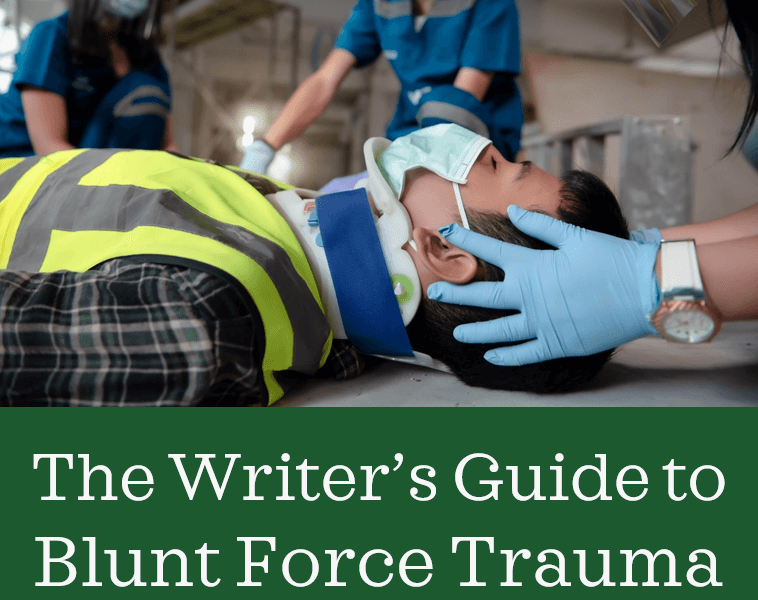
If you watch any police procedural shows, you have probably heard a ME tell the investigator that the cause of death is blunt force trauma. But what is it? Blunt force trauma is one of the most versatile and dramatic injuries in fiction. Whether your character is in a car crash, hit with a baseball bat, or thrown against a wall by magic, blunt force trauma can create tension, reveal vulnerability, and raise the stakes in your story.
But because it doesn’t always look severe from the outside, many writers either overplay or underplay its effects. This article will help you depict blunt force trauma accurately.
What Is Blunt Force Trauma?
Blunt force trauma happens when a body is struck by a forceful impact without piercing the skin. Unlike penetrating trauma (bullets, knives), blunt trauma crushes, compresses, or tears tissues and organs.
Examples in fiction include a soldier hit by an explosion shockwave, a detective thrown down a flight of stairs, a fantasy hero struck by an ogre’s club, and a pedestrian struck by a vehicle
Depending on the force and where it lands, blunt trauma can cause anything from bruises to instant death.
Specific Organs and Systems at Risk
Blunt force trauma can damage nearly any part of the body, but here are some of the most critical injuries by location.
Head and Brain
Injuries: Concussion, skull fracture, brain contusion (bruising), epidural or subdural hematoma (bleeding inside the skull)
Signs: Loss of consciousness, confusion, slurred speech, nausea or vomiting, uneven pupils, seizures
Danger: Brain swelling and bleeding can quickly become fatal.
Chest
Injuries: Rib fractures, flail chest (multiple ribs broken in more than one place), pulmonary contusion (lung bruising), cardiac contusion (heart bruising), tension pneumothorax (collapsed lung)
Signs: Difficulty breathing, chest pain, coughing up blood, blue lips or fingertips
Danger: Respiratory failure or cardiac arrest.
Abdomen
Injuries: Liver or spleen laceration (heavy internal bleeding), kidney damage, bowel rupture
Signs: Abdominal swelling or bruising, severe pain or tenderness, weak, rapid pulse, pale, sweaty skin
Danger: Hidden internal bleeding leading to shock and death.
Limbs and Musculoskeletal
Injuries: Fractures, crush injuries, large hematomas (bleeding under the skin)
Signs: Obvious deformity, severe pain, loss of movement or sensation
Danger: Blood loss into tissues, compartment syndrome (pressure buildup that cuts off circulation)

Why Blunt Trauma Is Dangerous
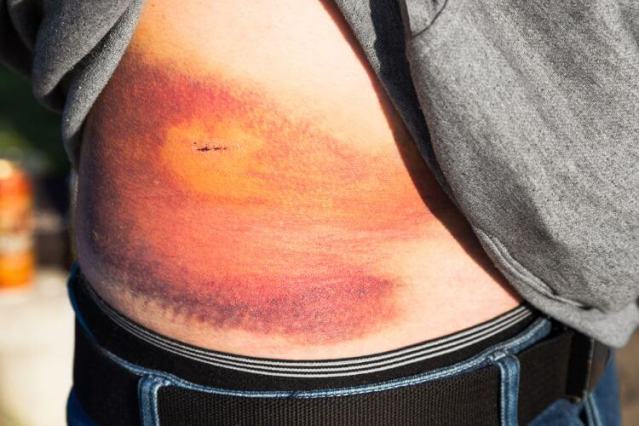
Hidden Damage: The outside may look fine while organs are bleeding inside.
Shock: Massive internal bleeding can drop blood pressure quickly.
Delayed Symptoms: Someone may walk and talk after injury but deteriorate hours later.
Secondary Complications: Swelling, infection, or clotting issues can worsen outcomes.
Signs and Symptoms
Not every character will show all signs right away.
Depending on severity, look for:
Severe pain and tenderness
Rapid breathing and heartbeat
Confusion or loss of consciousness
Vomiting blood (GI injuries)
Swelling or bruising
Pale, cold, sweaty skin
Difficulty breathing (chest injury)
Weakness or numbness (nerve damage)
Writing Tips
Don’t overdo instant collapse: Many victims stay conscious at first.
Remember delayed deterioration: Characters might worsen after hours.
Respect limitations of first aid: Lay rescuers can’t fix massive internal injuries.
Show consequences: Recovery is long and painful, with possible disability.
Match injury to force and context: A fall from 10 feet is different from a car crash.
Be consistent: If a blow is strong enough to throw someone across a room, it’s strong enough to break bones.
Reflect the world: Healing options and beliefs shape the story as much as the injury itself.
Examples
Contemporary Thriller: A woman is punched in the chest during a mugging. She feels winded but goes home. Hours later, she develops chest pain and shortness of breath, a delayed pneumothorax. She collapses before she can call for help.
Fantasy Adventure: A ranger is slammed into a tree by an ogre. Though she rises and draws her sword, she’s internally bleeding from a ruptured spleen. She fights on, only to collapse after victory, forcing her companions to rush her to the nearest healer.
Depicting Blunt Force Trauma by Genre
Whether it’s a knight struck by a mace, a detective in a car crash, or a cyborg thrown across a starship, the same core injury can look and feel completely different depending on the genre.
Here’s a genre-by-genre guide on how these injuries occur and how you can depict them realistically and vividly.
Contemporary Fiction
Common Causes
Car crashes: The most common real-world cause. Seatbelts save lives but can bruise ribs and organs.
Falls: From stairs, ladders, or scaffolding.
Sports injuries: Football tackles, boxing blows, skiing crashes.
Assaults: Punches, kicks, or strikes with blunt objects (bats, crowbars).
Industrial accidents: Falling objects, machine entrapment.
Depiction Notes
Readers expect realistic symptoms and progression.
Injuries will be assessed quickly with paramedics, trauma teams, and imaging tools.
Survival and recovery depend on how fast help arrives, the severity of internal injuries, and access to surgery and modern care
Tone and Focus
Create tension through delayed symptoms: A character insists “I’m fine,” then collapses.
Show the psychological impact: fear, trauma, guilt.
Use realism: fractured ribs take weeks to heal and make every breath hurt.
Example: A detective is tackled down concrete stairs. At first, he jokes about the bruises but later, he’s coughing up blood from a punctured lung.

Historical Fiction
Common Causes
Melee combat: Maces, hammers, clubs, shields, fists.
Siege warfare: Falling debris, catapult stones, battering rams.
Accidental falls: From ramparts or horseback.
Punishments: Beatings or blunt weapons used in executions.
Depiction Notes
Limited medical understanding.
Broken ribs or internal bleeding were often fatal.
“Healing” involved rest, herbal poultices, and prayer.
Little knowledge of internal injuries. Characters might believe they have a “bruise” while dying of organ rupture.
Tone and Focus
Emphasize brutal consequences: A knight might keep fighting with cracked ribs but die later.
Use historical detail: A medieval surgeon probing a wound by candlelight.
Show cultural attitudes: Stoicism, honor in dying from wounds, religious interpretations.
Example: A squire is struck in the chest by a war hammer. He rides away, gasping, unaware his spleen is torn. He dies days later, a “mystery illness” that no one understands.
Fantasy
Common Causes
Monster attacks: Troll fists, dragon tail swipes, giant boulders.
Magical impacts: Shockwaves, concussive spells, telekinetic slams.
Blunt weapons: War clubs, enchanted hammers, cursed flails.
Falls: From castle walls, airships, or giant mounts.
Depiction Notes
You can combine realistic physics with fantastical elements such as an ogre’s punch that pulverize bone, a magical barrier that reduce damage but does not eliminate it.
Healing can range from simple herbal poultices (which help only minor bruises), potions that accelerate natural healing, or divine or arcane magic that instantly repairs crushed organs if the price is paid.
Tone and Focus
Blunt trauma can symbolize the hero’s mortality, even in a world of magic, the cost of power if healing magic is limited or taboo, or the physical price of fighting monsters.
Example: A mage is thrown into a stone wall by a wyvern’s tail. Though she casts a protection spell midair, she fractures her pelvis. Even with magic, she needs weeks to recover and her power is weakened during that time.

Science Fiction
Common Causes
Spaceship crashes: Sudden deceleration injuries (organs tearing from inertia).
Powered exosuit failures: A servo overload crushes the wearer.
Alien weapons: Energy blasts with concussive force.
Zero-gravity impacts: Being flung into bulkheads.
Depiction Notes
Blend medical realism with speculative technology:
Advanced scans detect internal bleeding instantly.
Biofoam or nanobots can temporarily seal ruptures.
Exoskeletal braces stabilize fractures.
Injuries can have unique complications such as alien physiology (e.g., double circulatory systems) or genetic augmentations that respond unpredictably to trauma.
Tone and Focus
Explore ethical dilemmas:
Who gets access to advanced healing?
Is a cybernetic replacement still “you”?
Use trauma to challenge the illusion of invincibility in high-tech settings.
Example: A pilot in a powered armor suit is hit by a railgun blast. Though shields absorb most of the energy, the shockwave shatters her spine. She survives thanks to a med drone’s emergency exosplint but her neural implants are damaged, blurring her perception of reality.
Treatments Through Time and Genre
Blunt force trauma has always been a challenge for healers because much of the damage is hidden beneath the skin. Throughout history, survival depended on the location of the injury, severity, and luck as much as the skill of the healer.
Below is an overview of what care looked like (and still looks like today) and how you can adapt it for fantasy and science fiction.
Ancient World (Pre-500 AD)
Broken bones were known and could sometimes be set. Internal bleeding and organ damage were mysterious and usually fatal. Swelling, bruising, and pain were attributed to imbalances of humors or the will of the gods.
Typical Treatments
Immobilization: Simple splints of wood, reeds, or linen. Bandaging to keep limbs still.
Poultices and compresses: Honey, wine, oil, or crushed herbs applied to bruises. Cold water or mud to reduce swelling.
Pain management: Alcohol, opium poppy preparations, willow bark infusions.
Rest and ritual: Bed rest under supervision of family or priests. Offerings to gods or spirits.
Limitations
No knowledge of infection.
No ability to stop internal bleeding.
No anesthesia.
Severe injuries often led to shock and death.
Example: A Roman legionary with cracked ribs is treated with herbal compresses and confined to quarters. If he can still breathe, he survives.

Middle Ages (500–1500 AD)
Some surgeons (barber-surgeons) gained more experience with fractures from war. Internal injuries remained poorly understood. Swelling and bruising were sometimes blamed on curses or evil humors.
Typical Treatments
Bone setting: Traction and splints applied by experienced healers. Crude braces made from wood and cloth.
Bloodletting and leeches: Used (often wrongly) to “balance humors.”
Poultices: Warmed herbs like comfrey (“bone-knit”) for swelling.
Immobilization: Slinging limbs or binding the chest.
Pain management: Alcohol, opiates, or soporific sponges (vinegar and herbs on cloth).
Limitations
No sterilization or antiseptics.
Inability to treat internal bleeding.
Many died of complications like pneumonia or sepsis.
Example: A knight thrown from his horse survives with broken ribs. A healer binds his chest with linen and administers poppy juice, praying the damage isn’t worse.
18th and 19th Centuries
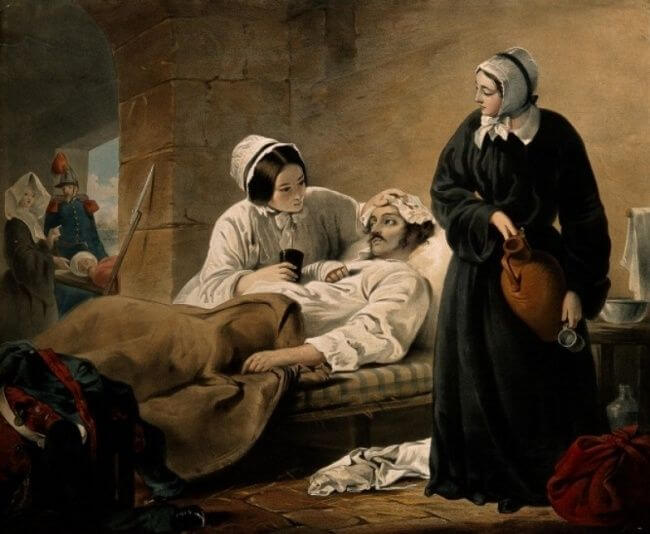
Anatomy improved through dissection and battlefield experience. Fracture care advanced with splint design (e.g., the Thomas splint). Surgeons began to attempt abdominal operations though with high mortality.
Typical Treatments
Splinting and traction: Improved braces and traction devices.
Surgical intervention: Occasional attempts to drain internal bleeding or repair ruptured organs.
Anesthesia: Ether and chloroform used from the mid-1800s.
Antiseptics: Lister’s carbolic acid reduced infection.
Observation: Doctors recognized signs of internal bleeding (weak pulse, pallor, distended abdomen).
Limitations
Even with anesthesia, survival rates for abdominal surgery were low.
Internal injuries often still fatal.
Example: A Civil War surgeon recognizes internal bleeding from a cannon blast. He performs exploratory surgery by lantern light, knowing success is unlikely.
Contemporary Medicine
Blunt force trauma care is a core part of modern emergency medicine. Treatment depends on injury severity and location.
Typical Treatments
Field Stabilization: Spine immobilization. Airway management. IV fluids and oxygen.
Imaging: X-rays, ultrasound (FAST scan), CT scans to locate bleeding.
Surgery: Emergency laparotomy for abdominal bleeding. Chest tube insertion for pneumothorax.
Pain control: Morphine or other analgesics.
Rehabilitation: Physical therapy for fractures, bruised muscles, and nerve damage.
Example: A paramedic team arrives at a crash scene, stabilizes a patient with suspected spleen rupture, and speeds them to the trauma center for surgery.
Fantasy
Possible Treatments
Herbal and Mundane Care: Splints made of enchanted wood or bone. Poultices with magical herbs that hasten clotting. Compresses infused with alchemical salves to reduce swelling.
Magical Healing: Spells that close ruptured vessels, re-knit bones instantly, or draw “dark humors” from bruised flesh.
Healing potions: May restore tissue but cause exhaustion or cost rare ingredients.
Divine intervention: Healers channel gods’ power, often limited by ritual, cost, or merit.
Narrative Considerations
Magical healing should have rules and consequences.
Not all injuries may be healable, especially curses or magic-inflicted trauma.
Example: A druid channels life magic to repair a ranger’s shattered ribs, but drains her own strength, leaving her weakened for days.
Science Fiction Treatments
Possible Treatments
Biofoam: Injected into wounds to stop internal bleeding.
Nanobots: Micro-robots that seal vessels and repair tissue.
Regeneration Chambers: Accelerate healing with gene therapy.
Cybernetic replacements: Internal organs replaced with synthetic equivalents.
Narrative Considerations
Advanced treatments can create social disparities (who gets the best care?).
Technology can fail, glitch, or be sabotaged.
Characters might grapple with identity if their body is partly synthetic.
Example: After an exosuit collapse, a soldier is stabilized with nanobot injections but the bots also record everything he sees, forcing him to decide whether to trust his own memories.
Plot and Character Ideas
Blunt force trauma is a powerful plot catalyst because it’s both common and unpredictable. It can happen in an instant, change everything, and leave lasting physical and emotional scars. Here are plot and character ideas across contemporary, historical, fantasy, and science fiction to spark your imagination:
Contemporary
The Survivor’s Guilt
A paramedic saves a driver from a car crash. The victim has no visible wounds but dies hours later because of internal bleeding. The paramedic spirals into self-doubt, convinced he missed something and sets out to uncover why the injuries were fatal.
The Star Athlete
A rising football star sustains a hidden spleen injury during a game. Desperate to maintain his career, he hides the pain until he collapses on live TV. Now, he must fight for his life and reputation as accusations of negligence swirl.
The Silent Witness
A woman is attacked in her home and struck repeatedly with a blunt object. She survives but suffers from retrograde amnesia. As her memory slowly returns, she begins to suspect that someone she trusts was behind the assault.
Historical
The Broken Knight
A seasoned knight is thrown from his warhorse during battle, suffering a chest injury. Though he survives the field, he faces weeks of breathless agony and a political struggle to keep his lands while confined to his bed.
The Executioner’s Apprentice
During a public punishment, an apprentice executioner hesitates with the cudgel blow, leaving the condemned alive but mortally wounded. Now, he must reckon with guilt and fear as the victim’s family plots revenge.
The Siege Casualty
During a castle siege, a young squire is struck by falling stone debris. Though outwardly bruised but mobile, he hides the injury out of pride only to realize he’s dying from internal bleeding as the walls finally fall.
Fantasy
The Mage’s Limit
A wizard battles an ogre and narrowly survives being hurled into a stone wall. Though he lives, the trauma crushes several ribs and bruises his lungs. While the kingdom expects him to defend them again, he must reconcile his frailty with the myth of his invincibility.
The Druid’s Bargain
A druid is crushed beneath a collapsing tree while protecting her sacred grove. She accepts a fey pact to save her life. Her bones knit instantly, but her spirit is now bound to the forest, unable to ever leave.
The Gladiator’s Mask
A champion gladiator suffers a severe head injury in the arena. Though he survives, he can no longer see in one eye. Forced to wear a helm that hides his weakness, he trains to fight again, haunted by visions of the blow that almost killed him.
Science Fiction
The Zero-G Accident
A maintenance worker aboard a deep-space station is slammed into a bulkhead during a gravity failure. Though she seems to recover, micro-bleeds in her brain begin to cause hallucinations and she must distinguish real threats from illusions to save the crew.
The Bioengineered Soldier
An augmented marine with reinforced bones is hit by an alien war hammer, an impact designed to defeat armor. Though the implants keep him alive, the damage is so severe he’s left paralyzed, triggering a crisis of identity and loyalty.
The Stowaway’s Secret
A fugitive stowaway hides in a cargo hold and is injured when a container shifts during acceleration. Bleeding internally, he must reveal himself to the crew and plead for help before he dies, all while concealing the data chip that could change the fate of the war.
Cross-Genre and Symbolic
The Reluctant Heir
A ruler’s only heir is struck with a bludgeon during a rebellion. Though he survives, the trauma leaves him physically weakened and dependent on others, forcing him to earn the loyalty of a kingdom that doubts his strength.
The Exile’s Redemption
Banished for cowardice, a soldier returns when his homeland is attacked. In the climactic battle, he saves his people but suffers a catastrophic impact. As he lies dying of internal injuries, he becomes a symbol of sacrifice and reconciliation.
The Masked Avenger
A vigilante known for her agility is ambushed and hit with a lead pipe. Surviving with spinal injuries, she must rebuild her body and her resolve while her enemies believe she’s dead.
Blunt force trauma is compelling because it combines the familiar and the unpredictable. A bruise may be nothing or the start of a fatal spiral. By portraying it accurately, you’ll give your readers gripping, believable scenes that honor the stakes of violence and survival.
I hope this was helpful. Let me know if you have questions or suggestions by using the Contact Me form on my website or by writing a comment. I post every Friday and would be grateful if you would share my content.
If you want my blog delivered straight to your inbox every month along with exclusive content and giveaways, please sign up for my email list here.
Let’s get writing!
Copyright © 2025 Rebecca Shedd. All rights reserved.

The Writer’s Guide to Internal Bleeding
Posted on September 26, 2025 Leave a Comment
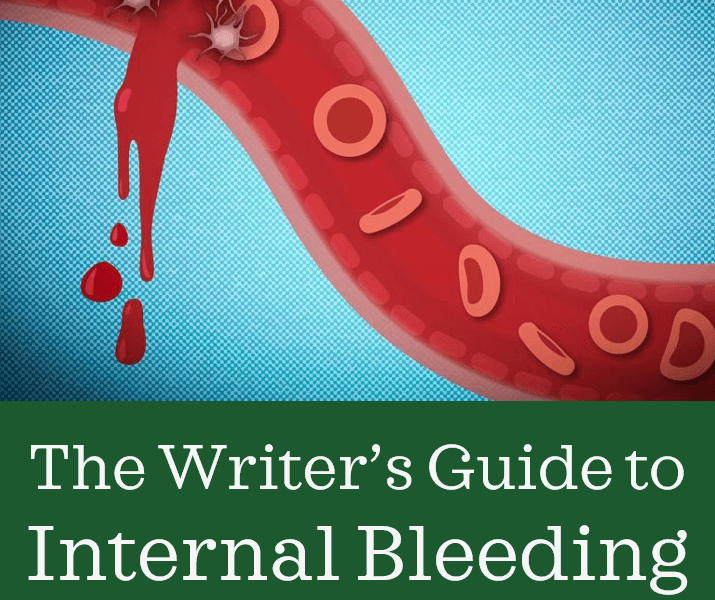
Internal bleeding doesn’t always look dramatic on the outside, which is exactly why it can be so dangerous. Unlike cuts or visible wounds, internal bleeding often happens quietly, only revealing itself through subtle symptoms until it becomes life-threatening.
For fiction writers, it’s a powerful device for tension and realism, the hidden injury that escalates when it’s too late to help. But to portray it effectively, you’ll need to understand what causes internal bleeding, how it presents, and why it can kill.
What is Internal Bleeding?
Internal bleeding means blood is leaking from blood vessels inside the body, into tissues, spaces, or cavities where it doesn’t belong. Because it’s hidden, it can progress unnoticed until shock, organ failure, or death occur.
Unlike external bleeding, it can’t be staunched with pressure or bandages, and the only treatment in serious cases is surgical intervention.
Common Causes of Internal Bleeding
Different scenarios produce different types of internal bleeding. Here are the most frequent causes you might see in fiction.
Blunt Trauma
Car accidents (seatbelt injuries, dashboard impacts)
Falls from height
Punches, kicks, or crush injuries
Sports collisions
Example: A boxer takes a blow to the abdomen, rupturing the spleen.
Penetrating Trauma
Stab wounds
Gunshot wounds
Shrapnel injuries
Arrow or spear wounds (historical and fantasy)
Example: A knife wound pierces the liver, causing slow but severe bleeding.
Aneurysms and Ruptures
Weak spots in blood vessels (especially the brain or aorta) can burst spontaneously.
Often present as sudden severe pain.
Example: An elderly character collapses from a ruptured abdominal aortic aneurysm.
Medical Conditions
Bleeding ulcers in the stomach or intestines
Ectopic pregnancy ruptures
Bleeding disorders (hemophilia)
Certain medications (anticoagulants)
Example: A character on blood thinners slips and hits their head, developing a brain bleed.

Signs and Symptoms
Because internal bleeding is invisible, your character won’t always know something is wrong right away. Symptoms depend on where the bleeding occurs and how much blood is lost.
General Signs of Significant Internal Bleeding
Weak, rapid pulse
Pale or ashen skin
Cold, clammy skin
Dizziness, confusion, or fainting
Rapid breathing
Severe thirst
Abdominal swelling or tightness
Unexplained bruising (especially around the flanks or belly)
Specific Clues by Location
Abdominal bleeding: Severe pain or tenderness. Distended (swollen) abdomen. Bruising around the navel or flanks (Cullen’s or Grey Turner’s sign).
Chest bleeding: Difficulty breathing. Coughing up blood. Shock symptoms.
Brain bleeding: Sudden headache. Slurred speech. Uneven pupils. Weakness or paralysis on one side.
Tip: Small internal bleeds may show no symptoms at first, only progressing over minutes or hours.

Why Internal Bleeding is Dangerous
Hidden Progression: Bleeding can continue undetected.
Blood Loss: Severe internal bleeding can lead to hypovolemic shock.
Pressure Damage: Bleeding into the brain or abdomen can compress vital structures.
Organ Failure: Blood flow loss deprives tissues of oxygen.
Without immediate treatment, especially in the abdomen or head, internal bleeding can be quickly fatal.
Writing Internal Bleeding Realistically
Timing: It rarely causes instant collapse unless it’s massive (like a ruptured aorta). Most bleeds worsen over minutes to hours.
Subtlety: Characters often try to keep moving, only to deteriorate. This creates tension as others fail to realize how serious it is.
Real Symptoms: Instead of “he turned pale and died,” show increasing confusion, cold sweat, weakness, and labored breathing

Depicting Internal Bleeding by Genre
Internal bleeding is an injury that works differently depending on the world you build around it. Let’s break it down by genre so you can see how causes, treatments, and narrative tone all shift, whether you’re writing a gritty thriller or an epic space opera.
Contemporary Fiction
Common Causes
Car crashes (especially seatbelt or dashboard injuries to the abdomen or chest)
Workplace accidents (falls, crush injuries, industrial machinery)
Stabbings or gunshot wounds
Sports impacts (e.g., ruptured spleen in football)
Domestic violence
Complications of untreated ulcers or aneurysms
Depiction Notes
Readers expect realistic symptoms and consequences.
Internal bleeding is often invisible at first, creating tension as characters (and bystanders) underestimate it.
Emphasis will fall on rapid deterioration, paramedic intervention, and surgical treatment.
Common narrative use: showing vulnerability in a stoic character who insists, “I’m fine.”
Tone and Focus
Gritty realism: medical detail, emotional fallout.
Legal or systemic angles: insurance, workplace negligence.
Personal stakes: the character’s sense of mortality and loss of control.
Example: A detective shot in the lower chest seems okay until he collapses from blood pooling in the pleural cavity.
Historical Fiction
Common Causes
Sword, spear, or arrow wounds.
Horse falls or cart accidents crushing the torso.
Blunt trauma from siege weapons or shields.
Internal bleeding from untreated infections, rupturing organs.
Depiction Notes
Diagnosis is rudimentary or nonexistent. Characters may just be called “stricken” or “dying.”
Treatment is limited to rest, poultices, prayer, or bleeding, none of which helps.
Survival is rare if bleeding is significant.
Culturally, some injuries could be viewed as divine punishment or omens.
Tone and Focus
Stark fatalism: sometimes no one can help.
Honor and shame around survival or death.
Family, faith, and legacy become central as the end approaches.
Example: A knight with a deep lance wound fights on for hours before shock overtakes him.
Fantasy
Common Causes
Monster attacks (claws crushing the ribcage, dragon tail impacts).
Magical weapons or spells causing internal rupture (e.g., force blasts).
Cursed wounds that bleed inside but never heal.
Ritual combat with enchanted blades.
Depiction Notes
Internal bleeding might not be recognized by characters who lack modern understanding.
Herbal or magical treatments could stabilize or reverse damage, but often with limits (cost, availability, side effects).
Healing might be a narrative test. Who will pay the price for saving them?
Could also symbolize moral or spiritual wounds.
Tone and Focus
High drama and symbolism.
The injury as an obstacle to fulfilling prophecy.
Possible transformation or magical consequences if left untreated.
Example: A sorceress hit by a cursed spear feels fine until hours later, her magic drains away as blood pools invisibly around her heart.
Science Fiction
Common Causes
High-velocity impacts during spaceship maneuvers (g-forces rupturing vessels).
Plasma weapon burns causing internal hemorrhage.
Nanobot sabotage (microscopic damage to internal organs).
Alien parasites feeding on internal tissues.
Depiction Notes
Advanced medicine may detect and stabilize injuries quickly but possibly at a social or ethical cost.
Medical technology could include: Regenerative gel packs that seal ruptured vessels. Biofoam to fill cavities and stop bleeding. Emergency stasis fields.
Injuries could have unexpected side effects (memory disruption, genetic damage).
Internal bleeding might be used as a plot twist: a hidden sabotage or alien infection.
Tone and Focus
Blends high-stakes survival with speculative wonder.
Ethical dilemmas (who gets the last stasis pod?).
The line between body and machine blurs. Can you survive if 90% of your organs are replaced?
Example: A pilot injured in a crash refuses treatment to stay conscious—until a hidden rupture in her abdomen forces her to decide between mission success and her life.
Treatments Through History
Internal bleeding has always been one of the most dangerous injuries because you can’t see it. Throughout history, medicine evolved from guesswork to life-saving surgery but even today, it remains a major cause of trauma deaths.
Below is an overview of how treatments have changed, so you can match your depiction to your setting.
Ancient World (Pre-500 AD)
Internal bleeding wasn’t understood as a concept. People recognized severe belly or chest injuries were often fatal, but had no way to stop internal hemorrhage. Practitioners might see swelling and bruising but attribute it to “bad humors,” spirits, or curses.
Typical Treatments
Poultices and compresses: Herbal mixtures applied to bruised areas to “draw out” the injury.
Warm infusions: Wine, vinegar, or honey-based drinks believed to ease internal pain.
Immobilization and rest: A wounded person was kept still in hopes the body would “rebalance.”
Prayer and ritual: Appealing to gods or ancestors to save the injured.
Outcome
Severe internal bleeding from trauma (like a ruptured spleen) was nearly always fatal.
Example in fiction: A Roman soldier crushed in battle is treated with poultices, then left to fate as priests chant for his recovery.
Middle Ages (500–1500 AD)
There was little improvement over ancient understanding. Surgeons could treat obvious wounds but had no surgical technique to access the abdomen or chest safely.
Typical Treatments
Bloodletting: Ironically, removing blood was often prescribed, which worsened shock.
Leeches or cupping: Used to “balance humors.”
Herbal preparations: Poppy-based pain relief (early opioids).
Poultices and plasters: Applied externally.
Fasting and purging: To rid the body of “corruption.”
Outcome
Without surgical intervention, most internal bleeds were hopeless cases.
Occasional recoveries likely involved minor bleeds that clotted naturally.
Example in fiction: A knight with a crushing blow to the belly receives laudanum to dull pain but inevitably succumbs days later.

18th and 19th Centuries
Gradual advances in anatomy and surgery improved understanding. By the late 19th century, surgeons began attempting abdominal operations for trauma but infection was a constant killer.
Typical Treatments
Exploratory laparotomy: Opening the abdomen to find and stop bleeding (still extremely risky).
Use of ether or chloroform anesthesia in surgery.
Surgical ligation: Tying off bleeding vessels.
Quinine, opiates, and brandy: To ease pain and support circulation.
Elevation and immobilization: To limit movement and preserve blood volume.
Outcome
Success rates were low but improving.
Survival required immediate surgery and luck avoiding infection.
Example in fiction: A Civil War field surgeon operates on a belly wound by lamplight, fully aware he has only hours before sepsis sets in.
Contemporary Medicine
Today internal bleeding is recognized immediately in trauma protocols.
Typical Treatments
Diagnostic tools: Ultrasound (FAST scans), CT scans, blood tests.
Advanced surgical techniques: Rapid control of bleeding vessels, damage control surgery.
Blood transfusions and IV fluids to treat shock.
Interventional radiology: Catheter-based procedures to block bleeding vessels.
Massive transfusion protocols for severe blood loss.
ICU care: Ventilation, clotting support, monitoring.
Outcome
Survival rates have vastly improved with rapid intervention.
Long-term recovery depends on the injury severity and time before treatment.
Example in fiction: A modern paramedic team stabilizes a crash victim in the field, alerting trauma surgeons en route to the hospital.
Fantasy
Fantasy settings let you invent alternative medical paradigms while grounding them in recognizable consequences.
Possible Treatments
Potions and Herbs: Coagulant elixirs brewed from rare plants to stop internal bleeding. Blood-binding spells that knit vessels shut. Alchemy-infused poultices that accelerate clotting.
Magic and Healing: Clerics or healers who can sense bleeding with spiritual sight, lay hands on wounds to close vessels, sacrifice life force or rare reagents for healing, and use magic to stop bleeding but drain the patient’s strength or lifespan.
Limitations
Spells might be:
Unreliable on cursed or enchanted wounds.
Restricted by class, race, or belief system.
Limited to one use per day, forcing hard choices.
Example: A wounded warrior is saved by an elven healer but the magic leaves a scar that glows when danger is near.

Science Fiction
Sci-fi settings open the door to futuristic trauma care.
Possible Treatments
Nanobots: Injected to find and seal bleeds at the microscopic level.
Biofoam injectors: Fill the cavity and stop hemorrhage temporarily.
Auto-surgeon pods: AI-controlled machines that perform trauma surgery instantly.
Synthetic blood products: Replacing lost volume without cross-matching.
Alien or Biotech Approaches: Symbiotic organisms that repair damage from within. Gene editing to activate clotting factors in seconds. Holographic imaging overlays to guide surgeons in real time.
Narrative Possibilities
Medical technology could fail, be sabotaged, or be rationed.
Characters might face ethical dilemmas: Use a prototype treatment or risk death?
Example: A soldier is wounded by plasma fire. His squad deploys a med-drone that injects nanobots, but the bots also start rewriting his DNA.
Plot and Character Ideas
Here are plot and character ideas centered on internal bleeding, tailored to different genres. These scenarios highlight not only the physical danger but also the emotional stakes, hidden tension, and life-or-death choices that internal bleeding can bring to a story.
Contemporary
The Marathon Collapse
A dedicated runner ignores nagging abdominal pain during a marathon. Near the finish line, she collapses. Her spleen ruptured from a fall she brushed off days earlier. As she fights for her life, her estranged sister must decide whether to authorize a risky surgery.
The Rookie Cop
A young police officer is shot during a raid but insists it’s just a graze. As adrenaline fades, he realizes he’s bleeding internally. Alone in a warehouse, he must use his training and his willpower to survive long enough to call for help.
The Domestic Secret
A woman in an abusive relationship finally escapes, but her ex punches her in the stomach before she flees. Hours later, in the safe house, she begins to feel faint. Her advocate, herself a survivor, must overcome her own fears to save her.
Historical
The Duelist’s Price
In 18th-century France, a nobleman wins a duel but takes a rapier thrust to the lower chest. Though he seems victorious, he slowly deteriorates. As his rival flees, the nobleman wrestles with regret and pride, unable to admit he’s dying from hidden wounds.
Siege of the Citadel
A medieval squire is struck by a battering ram beam while defending the castle gate. Though he insists on continuing the fight, internal bleeding worsens. His mentor, a hardened knight, must decide whether to save the boy or hold the line.
The Railroad Baron
An industrial magnate in the 19th century falls under a collapsed bridge during inspection. Trapped beneath rubble with a rival, he confesses secrets as internal bleeding slowly claims him, transforming their enmity into an uneasy respect.
Fantasy
The Mage’s Burden
A battle mage takes a crushing blow from an ogre’s club. Though she manages to teleport her companions to safety, she conceals her internal injuries. As they journey to find a healer, her fading strength threatens to expose her sacrifice.
The Cursed Spear
A prince is pierced by a cursed spear in ritual combat. The wound seals magically, hiding relentless internal bleeding. Only the rival he defeated knows the antidote and she offers it only if he agrees to a marriage alliance.
The Griffin Rider
A knight falls from his griffin mid-flight, landing with a shattering impact. Though he survives, he feels a cold bloom in his side. As his squire searches for help, the knight faces visions of the ancestors, deciding whether to cling to life or pass the torch.
Science Fiction
The Colony Sabotage
On a terraformed moon, a miner is crushed by machinery sabotaged by a rival faction. The medic drones diagnose slow internal bleeding but the colony has no surgeon. His crewmates must improvise treatment, forcing alliances among enemies.
The Genetic Time Bomb
A spy with bioengineered tissues is shot during extraction. The bleeding triggers an embedded fail-safe designed to self-destruct his organs if captured. As he flees, he must decide whether to let his partner save him or activate the kill switch to protect their secrets.
The Exoplanet Rescue
A xenobiologist studying alien fauna is attacked by a creature whose toxin causes delayed vessel rupture. Though she escapes to her ship, symptoms manifest hours later. She must rely on an AI medic that may or may not understand human anatomy.
Cross-Genre and Symbolic
The Prophet’s Sacrifice
A visionary leader is wounded in an uprising. Though he continues to inspire his followers, internal bleeding slowly takes his life. His death becomes a martyrdom legend, fueling rebellion even as it breaks those closest to him.
The Hidden Assassin
A noblewoman poisons her rival with a compound that causes slow internal bleeding mimicking natural illness. The detective investigating her death must see past appearances to unravel the crime before the next victim is targeted.
The Last Performance
A famous tightrope walker takes a fall but insists on finishing his final show. As his act reaches its climax, he realizes he’s fading and must decide whether to descend or die in flight.

Internal bleeding is silent, deadly, and easy to overlook, making it perfect for tension and realism in fiction. If you write it with care – avoiding instant, convenient recoveries – it can be a compelling way to show vulnerability, grit, and the high stakes of violence or trauma.
Sometimes the most dangerous wounds are the ones no one can see.
I hope this was helpful. Let me know if you have questions or suggestions by using the Contact Me form on my website or by writing a comment. I post every Friday and would be grateful if you would share my content.
If you want my blog delivered straight to your inbox every month along with exclusive content and giveaways, please sign up for my email list here.
Let’s get writing!
Copyright © 2025 Rebecca Shedd. All rights reserved.
The Writer’s Guide to Eye Injuries
Posted on September 12, 2025 Leave a Comment

Eye injuries in fiction are uniquely visceral. They invoke immediate vulnerability, suggest loss of perception or awareness, and dramatically affect a character’s abilities and psychology. From minor irritations to permanent blindness, these injuries can serve as powerful narrative turning points, but only when handled with realism and respect.
In this blog post, I will explore how to depict eye injuries realistically, including types, treatments, and the long-term impact on vision. I’ll also discuss how writers can use these injuries effectively in fiction without slipping into melodrama or misinformation.
Types of Eye Injuries
Not all eye injuries are the same. Here’s a breakdown of common types that may appear in your story, ranging from minor to catastrophic.
Corneal Abrasion
Cause: Scratches from foreign bodies like dust, claws, or a fingernail.
Symptoms: Pain, tearing, sensitivity to light, blurred vision.
Treatment: Usually heals within a few days with antibiotic eye drops.
Foreign Body
Cause: Metal, sand, glass, or other debris embedded in or on the eye.
Symptoms: Feeling like something is stuck in the eye, redness, tearing.
Treatment: Removal under sterile conditions; potential for infection or scarring.
Chemical Burns
Cause: Acids, alkalis, or even household cleaners splashed into the eye.
Symptoms: Immediate pain, blurry vision, redness.
Treatment: Immediate irrigation with water; alkali burns are often worse and may cause permanent damage.
Blunt Force Trauma
Cause: Punches, kicks, flying debris.
Injuries: Orbital fractures (broken eye socket), retinal detachment, hyphema (bleeding inside the eye).
Treatment: May require surgery, immobilization, and long recovery time. Risk of permanent damage.
Penetrating Injury
Cause: Knives, arrows, shards of glass, claws.
Symptoms: Blood, pain, partial or total vision loss, protrusion of eye contents in severe cases.
Treatment: Emergency surgery. Often results in vision loss or removal of the eye (enucleation).
Retinal Detachment
Cause: Trauma, disease, or aging.
Symptoms: Flashing lights, floaters, shadow over vision.
Treatment: Laser or surgical repair; time sensitive. Delayed treatment leads to permanent blindness.
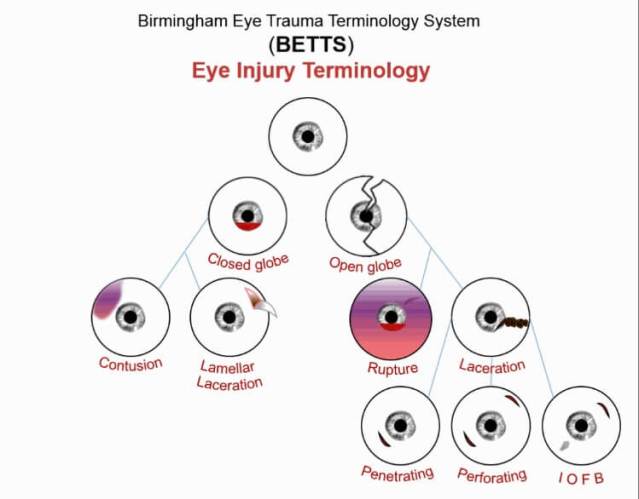
Long-Term Effects on Characters
Eye injuries aren’t just a moment of pain. They carry lasting consequences, especially if vision is permanently altered or lost.
Physical Impact
Depth perception loss (especially if vision remains in only one eye)
Photophobia (light sensitivity)
Migraines and eye strain
Balance or coordination difficulties
Psychological Impact
Fear, vulnerability, and self-consciousness
Loss of career or independence (especially in jobs requiring fine visual control)
Trauma-related anxiety or PTSD
Heightened reliance on other senses
Tip: If your character adapts to partial or full blindness, don’t just portray it as a weakness. Explore how they develop new skills, emotional depth, or perspectives.

Writing Tips for Realism
Know your anatomy. The eye is delicate. Minor damage can have major consequences.
Respect recovery time. Even “healed” eyes may never return to full function.
Use sensory shifts. Show how your character adjusts to vision changes through other senses.
Avoid clichés. A missing eye doesn’t always need a dramatic eye patch or glowing orb.
Don’t skip the trauma. Eye injuries are frightening: emotional impact matters.
How Genre Shapes the Depiction of Eye Injuries
Eye injuries are deeply personal and symbolic. They often suggest vulnerability, loss of insight (literal and metaphorical), or transformation. But how writers portray these injuries – how they happen, how they’re treated, and what they mean – varies depending on the genre and world-building logic.
Contemporary Fiction
Common Causes
Car accidents, workplace mishaps, sports injuries, fights, chemical splashes, or accidents involving sharp objects or fireworks.
Domestic abuse or assaults can cause eye trauma with long-term emotional ramifications.
Depiction Notes
Readers expect modern medical realism. Readers may have firsthand knowledge of how these injuries work.
Treatments may include emergency surgery, antibiotics, prosthetic eyes, or vision therapy.
The character may acquire a seeing eye dog or learn to read Braille.
Emphasis often falls on the psychological impact, such as depression, PTSD, or career changes (e.g., a photographer going blind).
Focus on emotional realism, personal recovery, and the adjustment to partial or full blindness.
Eye injuries can be metaphorical, “seeing the truth” through loss, or gaining new clarity after trauma.
Tip: Use contemporary resources such as medical case studies, survivor memoirs, and support group forums to inform believable healing and adaptation arcs.

Historical Fiction
Common Causes
Sword fights, duels, war injuries (including arrows, shrapnel, or bayonets), or animal attacks.
Occupation-based risks. Blacksmiths, soldiers, sailors, and miners all faced high chances of facial injuries.
Punishment or torture. Some historical cultures used eye gouging (e.g., Byzantine or Persian empires).
Depiction Notes
The treatments were limited. There were no antibiotics, little understanding of hygiene, and eye injuries often led to blindness or death via infection.
Loss of an eye often carried social stigma, seen as a loss of usefulness or divine punishment.
Some characters might wear crude glass or wooden eyes for appearance’s sake.
Tone and focus are often gritty, brutal, and focused on survival in the face of suffering.
A disfigured soldier or duelist might find themselves shunned or romanticized, depending on social class.
Braille was developed in 1824, becoming widespread by the end of the 19th century.
Tip: Show how characters navigate life in a world where people misunderstood disability or viewed it as a curse or a sign of divine intervention.
Fantasy Fiction
Common Causes
Magical duels, dragon fire, cursed blades, enchanted traps, or beast attacks.
Divine punishment or rituals of initiation.
Accidents with magical artifacts, potions, or prophecies gone wrong.
Depiction Notes
Healing options may vary: healing potions, divine clerics, or arcane regeneration spells.
Magical prosthetics: a crystal eye that sees the unseen, an eye with fae or infernal power, or a third eye opened by sorcery.
Injury could be a rite of passage, a transformation, or even a source of power (e.g., an “oracle” blinded to gain second sight).
Tone and focus are highly symbolic. Eye injuries may represent a loss or gain of spiritual vision.
The injury can mark a character as chosen, damned, or dangerous.
Tip: Ground even magical healing in rules. Is eye restoration rare, painful, or dependent on the favor of a capricious god? Magic should feel earned, not convenient.
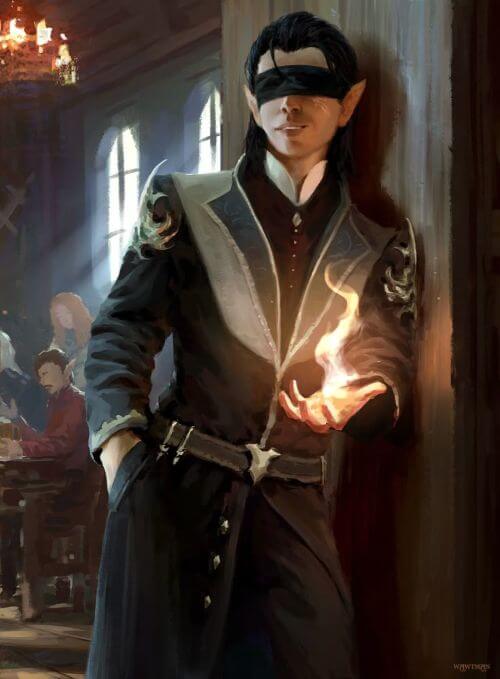
Science Fiction
Common Causes
High-velocity impacts, radiation exposure, alien toxins, surgical mishaps, or weaponized energy beams.
Cybernetic overloads or sabotage of ocular implants.
Evolutionary incompatibility: exposure to alien light spectrums or biotech viruses.
Depiction Notes
Doctors might treat injuries immediately with nanobots, synthetic tissue, or vision-enhancing implants.
Cybernetic eyes could offer enhanced sight (infrared, telescopic, network interface) or become hacked or weaponized.
In more dystopian stories, the elite could receive advanced ocular tech, while others remain blind or use outdated gear.
Tone and focus usually raise ethical questions: what happens when a person sees too much, or not enough? Is vision enhancement a step toward post-human evolution?
Characters may struggle with identity, surveillance, or loss of biological senses.
Tip: Sci-fi offers opportunities for metaphor. Your character might “see through” lies, corporate control, or time itself. Consider how technological enhancement affects humanity.
Alien and Non-Human Eye Injuries
Fantasy and science fiction allow for non-human creatures with different sensory systems. This opens creative, genre-specific depictions:
Alien Eye Anatomy
Multiple eyes, compound lenses, light-sensitive scales.
Eyes that perceive heat, sound vibrations, or interdimensional energies.
Regenerative or photosynthetic ocular systems.
Unique Injuries
A creature who loses echolocation or infrared vision, not just visible sight.
A fae creature whose eye is a magical focus. Damage severs their power.
An alien soldier whose eye-to-brain neural link is damaged, creating hallucinations or disorientation.
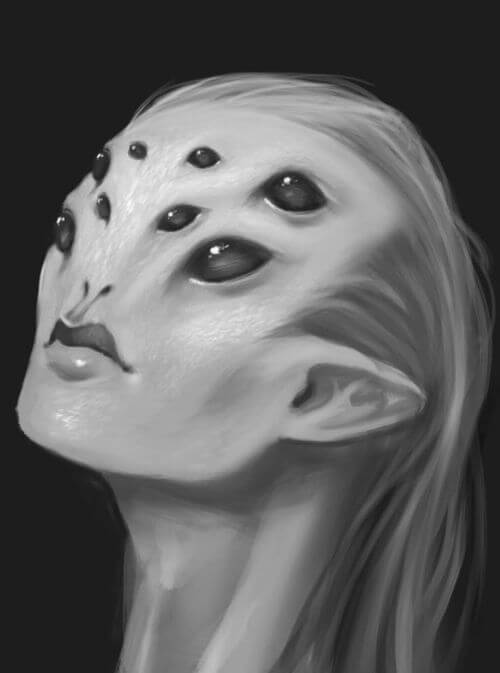
Treatments Through History
Treatments for eye injuries have evolved from superstition and crude tools to microsurgery and regenerative medicine. In fiction, these variations can highlight everything from a character’s social status to the ingenuity (or limitations) of their world.
Ancient World (Pre-500 AD)
Common Practices
People typically treated eye injuries with herbal remedies, poultices, and ointments made from plant resins, honey, or animal fats.
Egyptians used copper salts and kohl mixtures for infections and irritations.
Greek and Roman physicians (like Galen) recommended warm compresses and animal-based salves.
Magic and ritual were also part of the healing process, especially in Mesopotamia or Egypt.
Limitations
No understanding of infection or sterility.
Severe trauma often led to blindness or eye removal with no replacement.
Instruments for eye surgery were crude and mostly ineffective.
In fiction: Ancient eye treatments might involve divine rituals, animal sacrifices, or “sacred ointments” passed down by healers or priests.
Middle Ages (500–1500 AD)
Common Practices
Medicine was heavily influenced by the humoral theory and religious beliefs.
They used leeches, bloodletting, and fumigations for eye swelling.
Herbal poultices with ingredients like chamomile, rue, or poppy extract were common.
Ointments were applied to the eyelid or the inner eye socket, sometimes containing mercury or crushed minerals.
Limitations
Eye injuries were often misunderstood. Spiritual explanations (e.g., “evil eye”) could be invoked.
Lack of hygiene led to infection and blindness.
Surgery was rare, and anesthesia was nonexistent. Pain was expected.
A medieval healer might treat a scratched cornea with a poultice and prayer or cauterize a severely injured eye with a hot iron.

18th and 19th Centuries
Common Practices
Introduction of basic surgical instruments and eye-specific procedures.
Eye removal (enucleation) was performed more safely, often to stop spreading infections.
Glass eyes became available as cosmetic replacements.
Magnification tools and lamps allowed for more detailed surgeries.
Limitations
While chloroform and ether made surgery more tolerable, sterile technique was still developing.
Treatments remained largely reactive rather than preventive.
Antibiotics were not yet available. Eye infections were life-altering or fatal.
In fiction: The loss of an eye could be cosmetically hidden but not restored. Characters might wear monocles or custom masks to hide disfigurement.
Contemporary Medicine
Common Practices
Antibiotics and anti-inflammatory eye drops for minor injuries or infections.
Laser surgery, microsurgery, and retinal reattachment procedures.
Eye patches or shields for physical protection and healing.
Corneal transplants and ocular implants in extreme cases.
For lost eyes: high-quality prosthetic eyes and vision rehabilitation training.
A cane or seeing eye dog to navigate.
Advantages
Focus on preserving vision and aesthetics, as well as managing trauma-related anxiety.
Preventative treatments include safety goggles, vaccines, and quick response protocols.
In fiction: Modern stories can realistically explore recovery journeys, career limitations (e.g., pilots or surgeons losing sight), or legal/insurance complications.
Fantasy Treatments
Options
Clerical healing, divine intervention, or enchanted potions might restore sight entirely.
Cursed injuries may resist natural healing or worsen under moonlight or with certain emotions.
Prosthetic magical eyes may allow the bearer to see ghosts, through walls, or into memories.
Healers may draw on rare ingredients like basilisk tears or unicorn marrow to treat severe trauma.
Limitations and Opportunities
Healing might be costly, forbidden, or reserved for royalty or heroes.
Magic may fix the injury, but leave a magical imprint, such as glowing eyes or hallucinations.
In fiction: Fantasy offers great narrative leverage. Will your character pay a personal price to restore sight? What does a magical prosthetic cost, not just in gold, but in soul?
Science Fiction Treatments
Options
Ocular implants: cybernetic eyes with recording, zoom, or visual overlays.
Regenerative medicine: nanobot-infused gel to repair ocular tissue.
AI-assisted surgery with zero margin for error.
Full neural interface replacements that bypass the damaged eye entirely.
Advanced Possibilities
Alien species may have multiple vision types. Regrowing or repairing an eye may alter their perception.
Hacked prosthetics could display false visuals or record private data.
Vision-enhancing tech might create overstimulation or moral dilemmas (e.g., constantly seeing someone’s vital signs or lies).
In fiction: Sci-fi allows characters to redefine identity through sight, whether through enhancement, loss, or augmentation.

Plot and Character Ideas
Here are a variety of plot and character ideas that revolve around eye injuries, tailored to different genres. These ideas explore not just the physical consequences, but also the emotional, social, and symbolic dimensions of vision loss or transformation.
Contemporary
The Witness Who Can’t See
A woman survives an attempted murder, but a blow to the head leaves her with partial blindness. She’s the only witness who can identify the assailant but now struggles to trust what she saw and what she still sees in her dreams.
The Visionary Photographer
After a chemical burn robs him of sight in one eye, a world-renowned photographer must relearn how to create art through a new visual lens or risk losing his identity and career.
The Teacher’s Shadow
A beloved elementary school teacher slowly loses vision in one eye due to a retinal disorder. Fearing judgment and job loss, she hides it, but a troubled student with his own secret forces her to confront the cost of silence.
Historical
The Duelist’s Mark
A French noble loses an eye in a duel defending his sister’s honor. Now forced into political negotiations instead of combat, he must learn the art of diplomacy while planning one final, lethal rematch.
The One-Eyed Sailor
Cannon shrapnel blinded one eye of a naval officer during the Napoleonic Wars. Declared unfit for command, he’s sent to a remote post where he uncovers a plot to sell war secrets to the enemy and must act alone to stop it.
The Healer’s Folly
A medieval village healer loses her sight in one eye while trying to cure a plague with forbidden alchemy. Shunned by her peers and haunted by visions, she sets out to find the true origin of the illness and redemption.
Fantasy
The Seer’s Curse
A young oracle is born with one silver eye that sees the present and one shadowed eye that sees only death. After an injury forces her to lose the “normal” eye, she must confront what it means to live entirely with foresight and no escape.
The Knight of the Hollow Helm
A paladin loses both eyes in battle against a demonic creature. Granted magical sight by a fae bargain, she sees truth but cannot lie, even to save a kingdom. Now her honesty becomes both a weapon and a curse.
The Dragon’s Ember
A dragon-slayer survived a battle, but the beast’s flame blinded him in one eye. Years later, the dragon’s power awakens inside him through that very wound, turning him into the creature he once swore to destroy.
Science Fiction
Cybernetic Glitch
A cyber-soldier’s implanted visual interface malfunctions during a mission, replacing reality with manipulated images. As he hunts a rogue AI, he questions what he’s really seeing and whether he’s still human.
The Blind Pilot
A starship pilot with degenerative eye disease is grounded from duty until an alien race offers her a biomechanical graft that lets her see not just space, but possibility itself. But using it may unravel her mind.
Optic Rebellion
A factory worker in a dystopian surveillance state receives an illegal prosthetic eye to replace the one he lost in an accident. But it’s not just an upgrade, it’s a spy tool for the resistance, and now he’s forced to join a rebellion he never wanted.
Cross-Genre & Symbolic Ideas
The Eye Collector
Across centuries and worlds, legends tell of a being who takes the eyes of the wicked and replaces them with ones that can only see the consequences of their actions. A new generation is being marked, and one young thief is next.
The Artist’s Revelation
A painter begins losing her sight but starts seeing glowing symbols in the world around her, clues that lead to an ancient artifact buried beneath her city. Her injury may be the key to unlocking a forgotten truth.
The Twin Vision
In a multiverse-spanning sci-fi/fantasy hybrid, two characters – one blind in the left eye, the other in the right – share a psychic link through an ancient relic. When one is wounded, the other feels it. Together, they must stop a world-ending convergence only they can see from opposite sides.
Whether your character loses an eye in battle, to disease, or through a laboratory accident gone wrong, the resulting journey is rich with opportunity. Written well, eye injuries offer more than physical consequences—they open the door to themes of loss, perception, adaptation, and insight.
An injury to the eye can change how a character sees the world or how the world sees them.
I hope this was helpful. Let me know if you have questions or suggestions by using the Contact Me form on my website or by writing a comment. I post every Friday and would be grateful if you would share my content.
If you want my blog delivered straight to your inbox every month along with exclusive content and giveaways, please sign up for my email list here.
Let’s get writing!
Copyright © 2025 Rebecca Shedd. All rights reserved.

 Rebecca Shedd - Author
